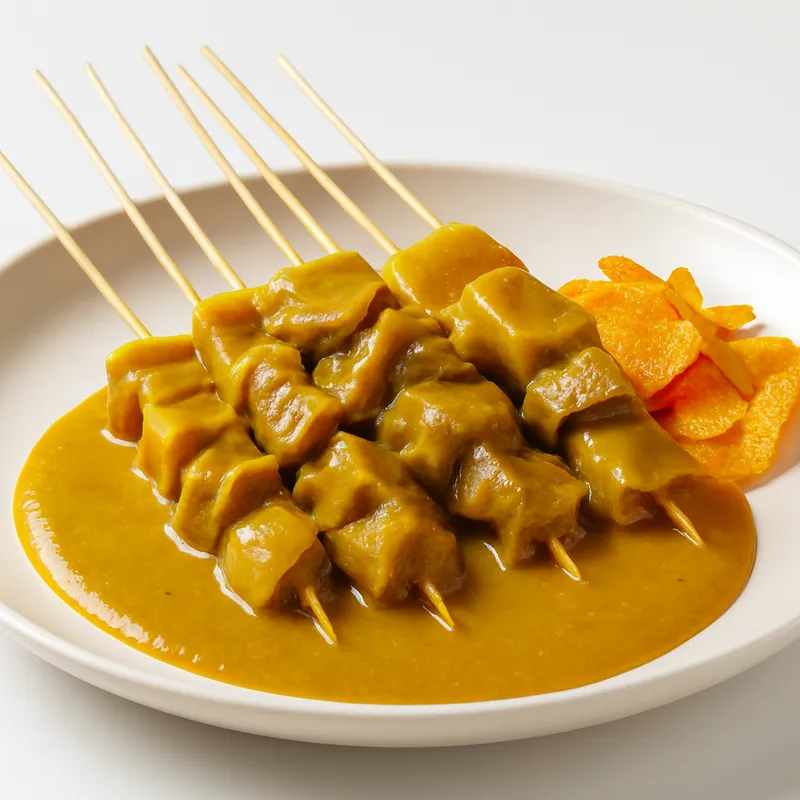
Nasi kapau is the Kapau style of the Minangkabau rice meal — steamed rice topped with a choice of dishes, but distinct from ordinary nasi padang in its sourer, more aromatic curries and its theatrical service. Vendors stand behind a long table of pots arranged on stepped racks and scoop from them with a long-handled ladle. Its signature plates are gulai cubadak, a curry of young jackfruit with cabbage, long beans and bamboo shoot, and gulai tambusu, lengths of beef intestine stuffed with a spiced egg-and-tofu mixture. The spread runs spicier and tangier than its Padang-city cousin.




Nasi kapau originates in Nagari Kapau, a village near Bukittinggi in the highlands of West Sumatra, and is a Minangkabau cuisine closely related to but distinct from nasi padang. The two are often confused; the clearest differences are in service and seasoning. Where a Rumah Makan Padang stacks its small plates in a glass display case, nasi kapau is sold from open pots set on stair-stepped racks before a long table, the vendor reaching across with a deep, long-handled ladle traditionally fashioned from a coconut shell. Kapau cooks also lean on a larger battery of dry spices and a more sour profile, and the cuisine is tied to the market traders of Bukittinggi who made it famous.
A plate of nasi kapau is a spread of contrasts over rice: the gulai cubadak gives soft young jackfruit and crisp vegetables in a tangy, lightly soured coconut gravy, while a slice of tambusu reveals a savory, custardy egg-and-tofu filling inside its tender casing. Across the dishes the seasoning reads sharper and more aromatic than nasi padang — more dry spice, more sour lift, brighter heat. You take a little of several curries, sambals and vegetables at once, and the rice carries the pooled, mingling gravies.
The dish is an assembly: many components cooked separately, then plated to order over rice, which is why a kapau stall keeps a dozen or more pots simmering at once. The stepped-rack layout and the deep coconut-shell ladle are practical answers to reaching distant, deep pots across a wide table — service shaping form. The defining cooking lies in the components: gulai cubadak depends on simmering fibrous young jackfruit long enough to turn tender while the coconut gravy is kept tangy with tamarind; tambusu requires carefully filling a cleaned length of intestine with a seasoned egg-and-tofu batter and gently simmering or steaming it so the filling sets to a custard without bursting the casing.
Variations
Beyond gulai cubadak and tambusu, a kapau spread typically offers rendang, dendeng, gulai tunjang, ayam, fish and a green or red sambal, with the exact lineup changing daily and by stall. Outside Bukittinggi, nasi kapau warungs across Indonesia — especially in Jakarta — have adapted the range to local tastes while keeping the stepped pots and long ladle as the recognizable signature. The line with nasi padang blurs in practice, but the sourer curries and that distinctive service remain the markers of the Kapau style.
On the Palate
Where Nasi Kapau sits in the Indonesian flavor cloud
Ingredients
Serves 4



How it's made
8 steps · 1 hour active + 30 min waiting
- 120 min
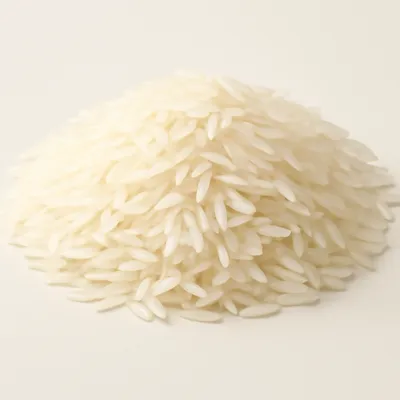
Cook and keep warm a pot of steamed rice as the base.
- 230 min
For gulai cubadak, simmer young jackfruit with cabbage, long beans and bamboo shoot in a tamarind-soured coconut gravy until tender.
Watch outSimmer the young jackfruit long enough to turn tender while keeping the coconut gravy tangy with tamarind — the fibrous fruit needs time, and the sourness balances the richness.
- 38 min
For tambusu, blend eggs with mashed tofu and spices into a seasoned batter.
- 412 min
Fill cleaned lengths of intestine with the egg-tofu batter and tie off the ends.
- 525 min
Gently simmer or steam the filled tambusu until the filling sets, then slice.
Watch outSimmer or steam the filled intestine gently until the egg-tofu batter sets before slicing — cut it too soon and the soft filling spills out.
- 610 min
Prepare a green or red sambal alongside the curries.
- 73 min
Plate steamed rice and spoon several curries, the tambusu and vegetables over it.
- 82 min
Finish with sambal and ladle extra gravy across the top to serve.
Archive tool suggestions — not reviewed
These legacy suggestions have not been evidence-reviewed and are not presented as required tools.