Nasi tumpeng is the Javanese ceremonial centerpiece: a tall cone of turmeric-yellow coconut rice moulded in a woven bamboo cone, set on a round bamboo tray lined with banana leaf and ringed by an array of side dishes. The cone is surrounded by fried chicken, shredded spiced egg (telur dadar), urap (coconut-dressed vegetables), tempeh, anchovies and peanuts, dried-spiced potatoes, and chili sambal. It is cut at a selamatan — a Javanese gratitude or blessing feast marking a birthday, harvest, housewarming, or rite of passage — where the most honoured guest slices the tip and presents it to an elder. The mountain shape is the point: it is eaten as a shared symbol of thanks rather than as a single recipe.


Tumpeng is rooted in the cone-shaped offerings of Java's pre-Islamic Hindu-Buddhist era, when the rice mountain evoked the sacred Mount Meru, axis of the cosmos. As Islam spread across Java the form was retained but reframed: the cone now reads as gratitude rising toward God, and the surrounding dishes — conventionally counted at seven, the Javanese pitu, a homophone for pitulungan, 'help' or 'blessing' — carry their own meanings. The yellow of the rice signals wealth and dignity; the cut tip is offered to the eldest as a mark of respect. The dish is documented across Javanese, Sundanese, and Balinese selamatan tradition and now appears nationwide, with Tumpeng Nusantara sometimes proposed as an emblem of Indonesia itself, though the cone's deepest roots are Javanese.
The rice is the quiet anchor: warm, faintly sweet from coconut milk, gently savoury and fragrant from turmeric, lemongrass, and bay, with a soft grain that holds its cone shape. Around it the plate is a study in contrast — the salt-and-crunch of anchovy-peanut, the chili heat of sambal, the cool coconut-dressed vegetables of urap, the deep fried-chicken savour, the eggy ribbons of shredded omelette. No single bite repeats; you build each spoonful by reaching to a different part of the ring, so the meal is sweet, hot, fresh, and rich in turn.
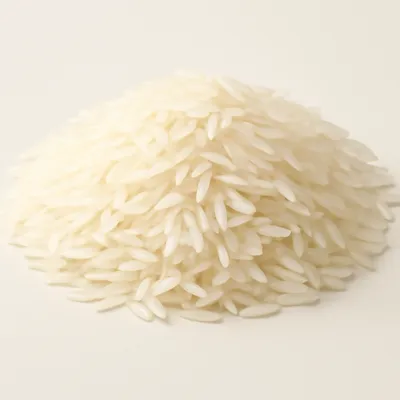
The yellow rice can be made two ways: nasi kuning, where raw rice is cooked in coconut milk infused with fresh turmeric, lemongrass, bay, and salt so the grains absorb both fat and pigment; or a steam-and-soak method where rice is half-cooked, doused in turmeric coconut milk, then finished by steaming so it stays fluffy enough to mould. Turmeric's curcumin is fat-soluble, so the coconut milk both colours the rice evenly and carries the aroma into each grain. The cooked rice is packed firmly into a damp bamboo or banana-leaf cone while still hot — the steam-softened starch sets as it cools, locking the mountain shape when the mould is lifted. The seven sides are cooked separately and arranged last so each keeps its own texture.
Variations
The classic is the yellow cone (tumpeng kuning) for celebration; tumpeng putih uses plain white rice for solemn or memorial occasions; tumpeng nasi uduk uses savoury coconut rice. Side-dish line-ups vary by region and occasion but typically aim for an auspicious seven. Modern caterers build elaborate Tumpeng Nusantara towers for national-day events, and miniature single-portion tumpeng are now sold in boxes; some families add a hard-boiled egg or a whole grilled chicken at the summit.
On the Palate
Where Nasi Tumpeng sits in the Indonesian flavor cloud
Ingredients
Serves 8

How it's made
8 steps · 1 hour active + 30 min waiting
- 115 min
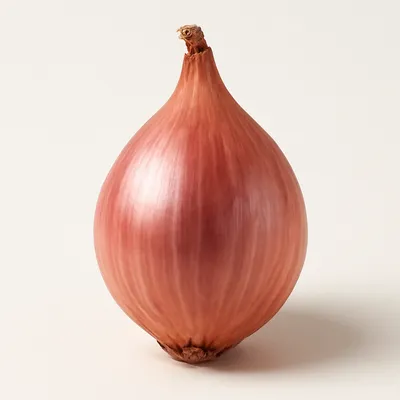
Blend or pound fresh turmeric, garlic, and shallot into a paste; combine with coconut milk, bruised lemongrass, bay leaves, and salt.
- 218 min
Wash and drain the rice, then cook it in the seasoned turmeric coconut milk until the liquid is absorbed.
Watch outCook the rice in the turmeric coconut milk until the liquid is fully absorbed — the fat carries the color and aroma evenly into every grain.
- 318 min
Steam the half-cooked yellow rice over high heat until fluffy and fully tender, then discard the lemongrass and bay.
- 48 min
Pack the hot rice firmly into a damp bamboo or banana-leaf cone, pressing to compact it, and let it set briefly.
Watch outPack the rice into the cone while still hot and press firmly — the steam-softened starch sets as it cools and holds the shape when you unmould.
- 530 min
Prepare the sides: fry seasoned chicken, make shredded spiced omelette, dress blanched vegetables with spiced grated coconut for urap, and fry anchovies with peanuts.
- 68 min
Make the sambal by pounding chili, shallot, and shrimp paste, then frying briefly.
- 73 min
Invert the cone onto a banana-leaf-lined round tray and carefully lift the mould.
- 810 min
Arrange the side dishes in a ring around the base, grouping them by colour and texture for the auspicious spread.
Archive tool suggestions — not reviewed
These legacy suggestions have not been evidence-reviewed and are not presented as required tools.