Jakarta's own coconut laksa, a turmeric-yellow noodle soup distinct from the laksas of Malaysia and Singapore. The broth is built on coconut milk with shallot, garlic, turmeric, galangal and lemongrass, thickened toward a rich, slightly sweet body and given a tang from asam kandis, with ground dried shrimp deepening the savour. It is ladled over rice vermicelli and laid out with shredded chicken or a boiled egg, potato, perkedel and fresh herbs such as kemangi and chives. Comforting and aromatic rather than fiery, it carries the Peranakan and trading-port heritage of old Batavia.




Laksa Betawi is the Jakarta branch of the wider laksa family, the spiced coconut-and-noodle dish that developed along the Southeast Asian spice-trade routes where Chinese traders intermarried with local communities, producing the Peranakan culture. Batavia (old Jakarta) was one of the major ports on that route, alongside Malacca, Penang and Palembang, and each port grew its own laksa. The Betawi version is recognised as a distinctly local style, generally a little sweeter and built on its coconut-milk broth and dried shrimp; it sits within Betawi cuisine, itself a blend of Malay, Chinese, Arab and other influences. Like several older Betawi dishes, it is now less common on the city's streets than it once was.
The broth is the heart of it: golden, creamy and mild, sweet from coconut with a low savoury hum of dried shrimp and a gentle sourness from asam kandis keeping the richness in check. Soft rice vermicelli slips up with the spoon. The shredded chicken is tender, the potato soaks up the soup, and a wedge of perkedel adds a starchy, savoury bite. Fresh kemangi and chives, added at the end, lift the whole bowl with green fragrance. A spoon of sambal turns up the heat for those who want it, but the dish at rest is soothing rather than sharp.
The broth is a spiced coconut-milk soup, and the technique is about building and stabilising it. The aromatic paste — shallot, garlic, turmeric, galangal, lemongrass — is fried in oil first so the spices bloom and the turmeric loses its raw edge before the liquid goes in. Coconut milk is then simmered gently rather than boiled hard, because high heat splits the emulsion and the fat separates out; a steady low simmer keeps the broth smooth and creamy. Ground dried shrimp dissolves into the soup as a savoury backbone, while asam kandis contributes acidity that balances the coconut fat. The vermicelli is cooked separately and assembled at serving so it does not turn mushy in the soup.
Variations
The closest relative is Laksa Bogor from the nearby hill town, similar in its coconut broth but with its own balance, and the two are often compared. Within Jakarta cooks vary the protein between shredded chicken, boiled egg and prawns, and the garnish list shifts with what is on hand. The thickness of the broth and the level of sweetness differ from cook to cook. More broadly, Laksa Betawi sits at the curry-laksa (lemak) end of the family, far from the sour, tamarind-driven asam laksa of Penang.
On the Palate
Where Laksa Betawi sits in the Indonesian flavor cloud
Ingredients
Serves 4


How it's made
8 steps · 40 min
- 110 min
Cook the rice vermicelli until just tender, rinse and set aside.
- 212 min
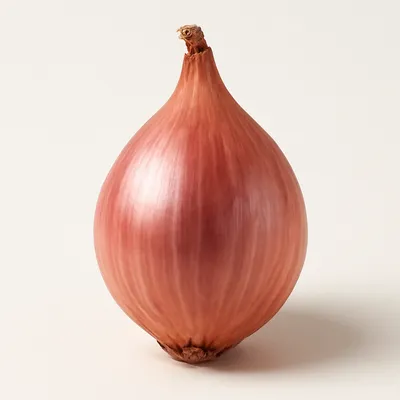
Pound or blend shallot, garlic, turmeric, galangal, candlenut and chilli into a fine paste.
- 38 min
Fry the spice paste in oil with bruised lemongrass and kaffir lime leaf until fragrant and the oil separates.
Watch outFry the spice paste until fragrant and the oil separates — this cooks the raw edge off the turmeric before any liquid dilutes it.
- 45 min
Stir in the ground dried shrimp and cook a moment, then pour in stock and bring to a simmer.
- 525 min
Add the coconut milk and asam kandis and simmer gently, without hard boiling, until the broth is creamy; season with salt and a little palm sugar.
Watch outKeep the coconut milk at a gentle simmer, never a hard boil — high heat splits the emulsion and the fat breaks out oily.
- 615 min
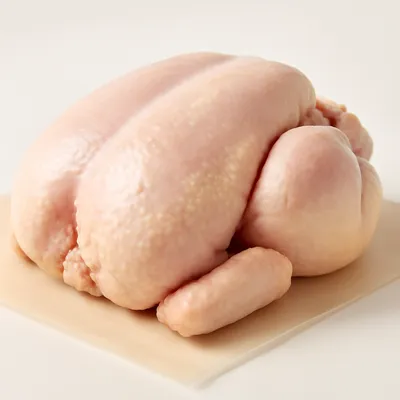
Poach or shred the chicken and boil the potato and eggs.
- 75 min
Divide the vermicelli among bowls and top with chicken, potato, egg and perkedel.
- 83 min
Ladle the hot broth over, then finish with kemangi, chives, fried shallots and sambal.
