A bold sour-spicy beef-rib soup from Palembang, built on meaty short ribs simmered until the marrow loosens. The broth is sharpened with tamarind, lifted with bruised lemongrass and galangal, reddened with chili, and rounded out with a dark thread of sweet soy. It is brothy rather than thick, the kind of clear-but-loaded soup spooned over hot rice. Pineapple, tomato, and torn basil are often added near the end for fragrance and a fruity tang.

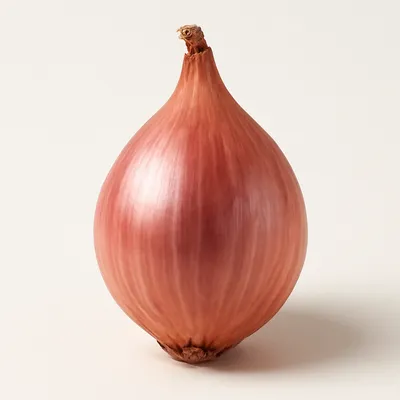



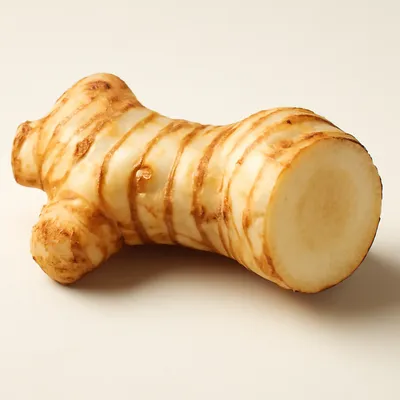
A South Sumatran dish associated with Palembang, where 'pindang' names a whole family of sour-and-spicy soups (most famously made with patin catfish) rather than a single recipe. The beef-rib version, pindang tulang or pindang iga, applies the same souring-and-spicing approach to bone-in beef. The word 'pindang' elsewhere in Indonesia can mean fish poached in salt and spices, so the Palembang sour-soup sense is regional; its exact origin is undocumented and best treated as a local everyday tradition.
The first taste is sour and savory at once — tamarind cutting through rich beef stock — then a slow chili heat builds underneath. The ribs are fork-tender, the meat sliding off the bone, with soft marrow to suck out. Lemongrass and galangal keep it fresh rather than heavy, while the sweet soy leaves a faint molasses warmth on the finish. Eaten with rice, every spoonful is bright, hot, and deeply meaty.
The long simmer does the structural work: collagen in the rib connective tissue breaks down into gelatin, giving the broth body without any thickener and the meat its falling-apart tenderness. Tamarind's organic acids both season and brighten, balancing the fat rendered from the ribs, while lemongrass, galangal, and kaffir lime add aromatic oils late so their volatile fragrance is not boiled away. The sweet soy is added toward the end so its sugars deepen the color and round the sourness without scorching.
Variations
Pindang patin (river catfish) and pindang ikan (other fish) are the more common seafood versions across South Sumatra and Jambi; the rib version may be made with the lighter 'pindang air' (clear) or a richer style. Some cooks finish with pineapple and tomato for a fruitier profile, others keep it sharply savory.
On the Palate
Where Pindang Tulang Iga sits in the Indonesian flavor cloud
Ingredients
Serves 6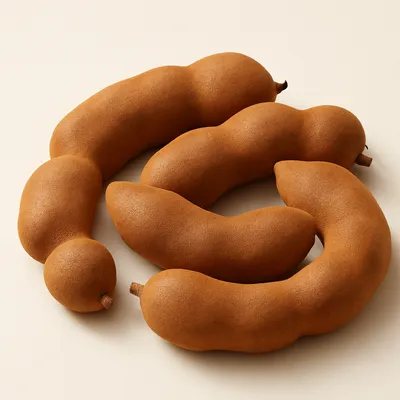



How it's made
8 steps · 35 min active + 1 hour 10 min waiting
- 18 min
Blanch the beef short ribs in boiling water for a few minutes, then drain and rinse to remove scum.
Watch outBlanch the ribs and rinse off the scum before the real simmer — skip it and the broth stays cloudy and off-tasting.
- 260 min
Simmer the ribs in fresh water with bruised lemongrass and sliced galangal until the meat is tender, about an hour.
Watch outSimmer the ribs slowly until the meat falls apart — the collagen has to convert to gelatin, which gives the broth its body without any thickener.
- 310 min
Meanwhile grind shallots, garlic, and red chili into a coarse paste.
- 46 min
Saute the spice paste in oil until fragrant and the raw smell is gone.
- 53 min
Stir the fried paste into the rib broth, then add tamarind dissolved in water and the sweet soy sauce.
Watch outAdd the sweet soy toward the end so its sugars deepen the color without scorching — in too early over high heat it burns.
- 615 min
Season with salt and simmer 15 minutes more so the flavors marry.
- 74 min
Add tomato wedges and torn basil near the end and cook just until softened.
- 83 min
Taste and adjust the sour-sweet-salt balance, then serve hot over rice.

