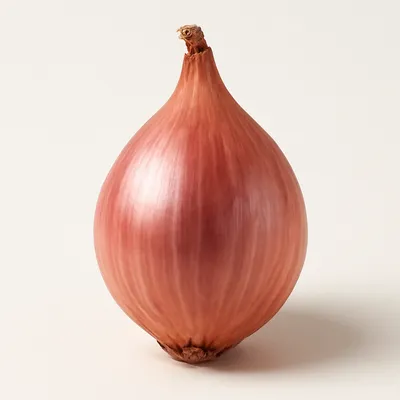
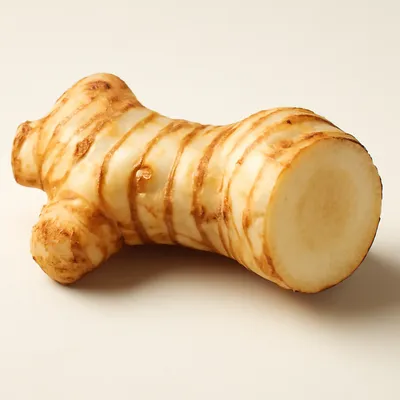
A Betawi heritage dish of snakehead fish (ikan gabus) simmered in a thick, near-black broth. The colour and the dish's name come from pucung — the local term for kluwek, the fermented seed of the Pangium edule tree, the same black nut that darkens East Java's rawon. Shallot, garlic, candlenut, turmeric and galangal are fried into a paste, the kluwek is worked in, and the fried fish is simmered until the gravy turns dark, savoury and gently sour. Once an everyday food in the swamps and paddies of old Jakarta, it is now cooked mostly for gatherings and is treated as a marker of Betawi identity.




Gabus pucung is documented as a Betawi dish rooted in the fishing and rice-farming life of old Batavia, when snakehead fish were caught readily in the swamps, ponds and paddy ditches around the city. It is named for its two defining elements, the gabus fish and the pucung (kluwek) nut. Indonesia's culture ministry lists it among the recognised cultural heritages associated with Jakarta. As the city built over its waterways and wild snakehead grew scarce, the dish became less of a daily meal and more an occasional, celebratory one, and it is now often invoked as a symbol of togetherness in Betawi culture.
The broth is the surprise: jet-black, glossy and thicker than it looks, savoury and earthy with a soft sourness underneath. The kluwek gives a deep, almost truffly note — bittersweet and nutty rather than the bright spice you might expect from the colour. The snakehead is firm and clean-tasting, its flesh holding together in meaty flakes that carry the dark gravy. Hot white rice is essential; it soaks up the inky sauce. A wedge of lime and a spoon of sambal lift the whole bowl toward the bright end.
Two things make the dish work. First, the kluwek: its raw seed contains hydrogen cyanide and is edible only after boiling and burial-fermentation, a process that both detoxifies it and develops the dark, savoury, faintly sour flavour and the near-black pigment that colours the broth. The cooked kernel is soft and oily, so it both seasons and thickens. Second, the fish is shallow-fried before it goes into the pot; the brief fry firms the surface so the delicate snakehead holds its shape through the simmer instead of falling apart, and adds a layer of browned flavour. As with most Betawi gravies, the spice paste is fried in oil first so the aromatics bloom before the liquid is added.
Variations
Some cooks keep the broth thinner and soup-like; others reduce it to a thick, clinging gravy closer to a stew. The kluwek can be balanced with more or less tamarind or asam for sourness, and the chilli adjusted from mild to fiery. Where fresh snakehead is hard to find, catfish (lele) is the usual stand-in, though purists insist gabus has the firmer, cleaner flesh the dish is built around. The kluwek base links it directly to East Java's rawon, which uses the same nut for a beef soup rather than fish.
On the Palate
Where Gabus Pucung sits in the Indonesian flavor cloud
Ingredients
Serves 4

How it's made
8 steps · 40 min
- 115 min
Clean the snakehead, cut into thick pieces, rub with salt and a little lime, and shallow-fry briefly until the surface is firm; set aside.
Watch outShallow-fry the snakehead pieces just until the surface firms before they go in the pot; that brief fry is what holds the delicate fish together through the simmer.
- 210 min
Soak the kluwek kernels in warm water, then mash to a smooth dark paste.
- 310 min
Pound or blend shallot, garlic, candlenut, turmeric, galangal and chilli into a fine paste.
- 48 min
Fry the spice paste in oil over medium heat until fragrant and the oil begins to separate.
Watch outFry the spice paste until it's fragrant and the oil begins to separate out; that split oil signals the raw edge is cooked off and the base is ready for the kluwek.
- 52 min
Work the mashed kluwek into the fried paste and cook another minute until it darkens.
- 610 min
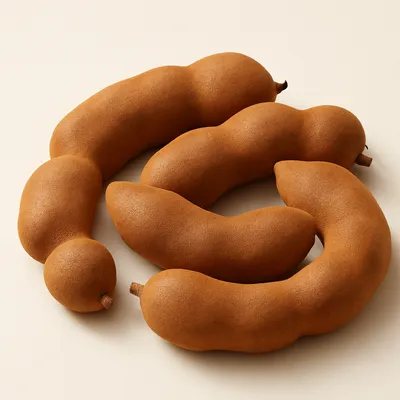
Pour in water with lemongrass and bay leaf, bring to a simmer, and season with salt, palm sugar and a little tamarind.
- 720 min
Slide in the fried fish and simmer gently until the broth turns dark and thick and the flavours marry, without breaking up the fish.
Watch outSlide the fried fish in and simmer gently until the broth turns dark and thick; stir too hard and the fish breaks apart.
- 85 min
Serve hot over white rice with fried shallots, sambal and a wedge of lime.

