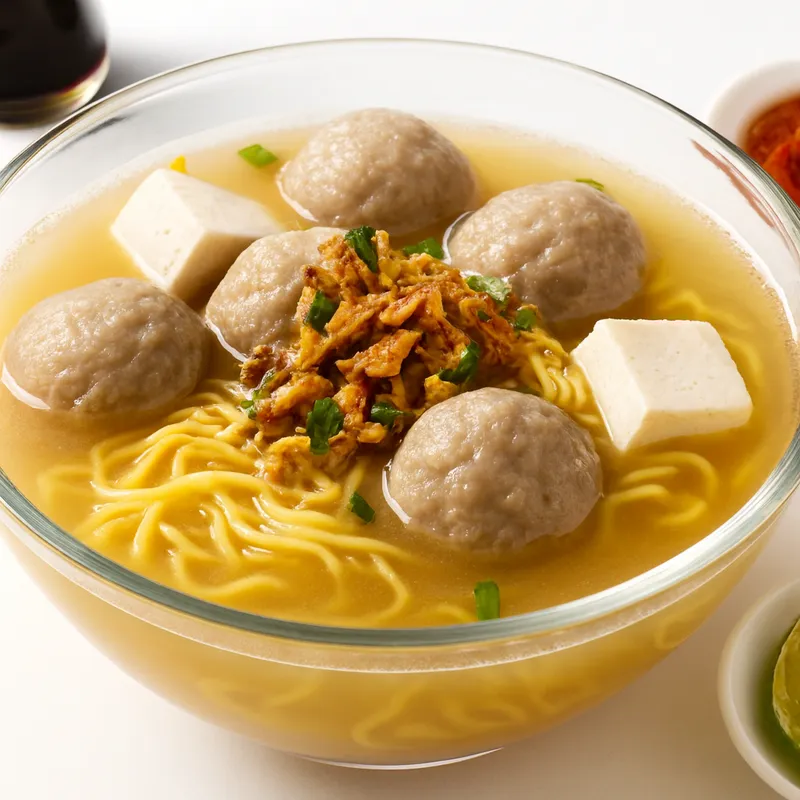
A close Makassar cousin of coto, and one of the city's defining beef-soup dishes. Beef and offal — tripe, intestine, liver — are simmered until tender in a rich, spiced broth that is finished not with peanuts but with toasted grated coconut, which thickens it and lends a faintly smoky, nutty edge. The signature move comes at the table: a raw egg yolk dropped into the hot bowl and stirred through, so the broth turns silkier and richer. Unlike coto, which is eaten with ketupat, pallubasa is served over white rice.
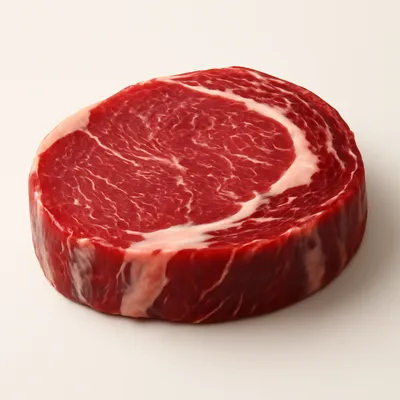
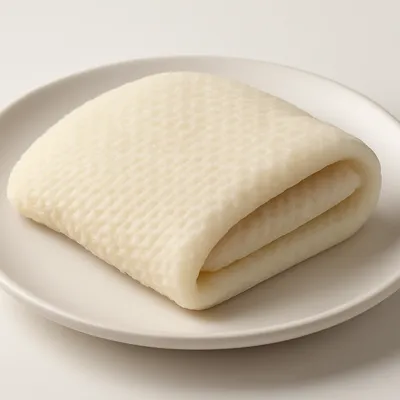


Pallubasa is a dish of Makassar in South Sulawesi, part of the same Bugis-Makassar beef-soup family as coto and konro, and is widely understood as a close variant of coto distinguished by its toasted-coconut thickening. It is associated with the city's old food district and street stalls rather than with any single dated origin, and is best treated as a traditional Makassar preparation. The raw-yolk finish is a long-standing local touch, offered as an option diners stir in for a richer bowl.
The broth is thick and golden-brown, heavier than it looks, with the toasted coconut giving it a nutty depth and a hint of smoke beneath the warm spice. The beef and offal are soft from the long cook, the tripe and intestine mild and soaked through. Stir in the raw yolk and the whole bowl turns velvety, the richness rounding out and coating the spoon. A spoon of sambal and a squeeze of lime cut the depth; fried shallots add crunch; the white rice underneath drinks up the gravy.
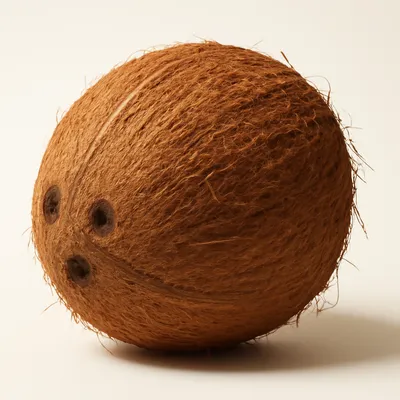
Toasted grated coconut is what sets pallubasa apart from coto: dry-roasting the coconut deepens its colour and aroma through browning, and once ground it releases both oil and ground flesh into the broth, thickening it and adding a nutty, lightly smoky note where coto leans on peanuts. The spice paste is fried until the oil separates so the aromatics bloom before the stock is added. The offal is simmered long to soften its connective tissue. The raw egg yolk is an emulsifier: stirred into the hot but not boiling broth, its lecithin binds the fat and liquid into a smoother, richer suspension — added off the heat so it thickens without scrambling.
Variations
The raw yolk is optional and varies by diner and by stall, though many regard it as part of the full pallubasa experience. The cut of meat ranges from leaner beef to a heavy offal mix, and the depth of the toasted coconut shifts with how dark it is roasted. It is eaten with white rice rather than ketupat. Its nearest relative is coto Makassar, the peanut-thickened, ketupat-eaten dish from which it is most often distinguished.
On the Palate
Where Pallubasa sits in the Indonesian flavor cloud
Ingredients
Serves 6


How it's made
8 steps · 50 min
- 120 min
Soak beef and assorted offal, then boil briefly and drain to clean.
- 2160 min
Simmer the beef and offal gently for 2-3 hours until fully tender, skimming; lift out and slice.
- 315 min
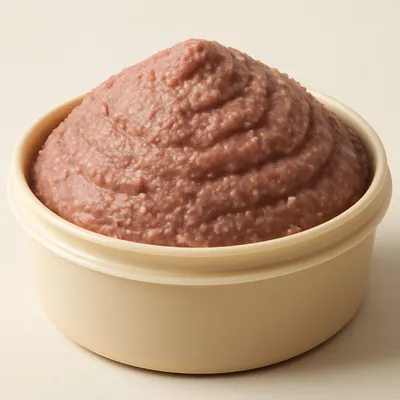
Dry-roast grated coconut until deep golden, then grind to a coarse, oily paste.
Watch outDry-roast the grated coconut to deep golden before grinding — brown it well and it gives up its oil and a nutty, smoky depth into the broth.
- 415 min
Pound shallot, garlic, candlenut and the toasted whole spices into a fine paste.
- 510 min
Fry the spice paste in oil over medium heat until fragrant and the oil separates.
Watch outFry the spice paste until the oil separates — that break is the sign the aromatics have bloomed and are ready for the stock.
- 630 min
Stir in the toasted-coconut paste, then pour in the reserved stock and simmer until thickened; season with salt and palm sugar.
- 75 min
Return the sliced meat and offal to the broth to warm through.
- 85 min
Ladle over white rice in each bowl, drop in a raw egg yolk, top with fried shallots and scallion, and serve with sambal and lime.
Watch outDrop the raw yolk into the hot but not boiling broth — its lecithin binds the fat into a silkier, richer body; boil it and it just scrambles.