Kalio is the lighter, golden-brown, mid-stage of rendang — caramel-rich and savory, but stopped while there is still a glistening sauce. In Minangkabau cooking, beef simmered in coconut milk and spice paste passes through three stages as the liquid reduces: soupy gulai, then semi-dry kalio, then dark, dry rendang. Kalio is that second stage: oily and reddish-brown, the coconut milk thickened and beginning to release its oil but not yet cooked down to a dry coating. It is softer, saucier and shorter-cooked than rendang, and many dishes served abroad as 'rendang' are in fact kalio.
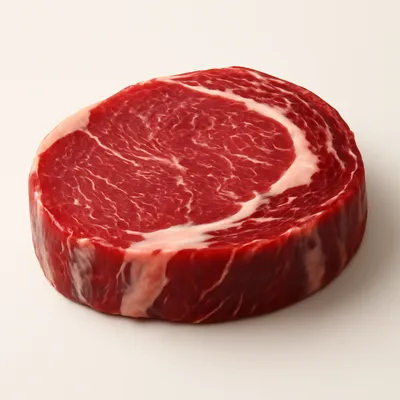


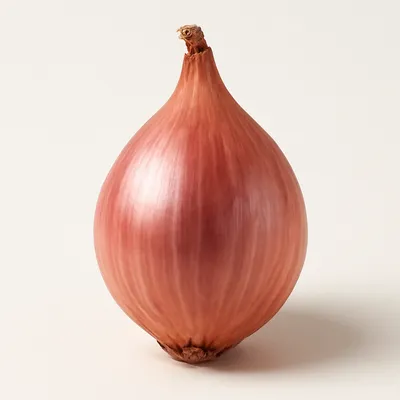

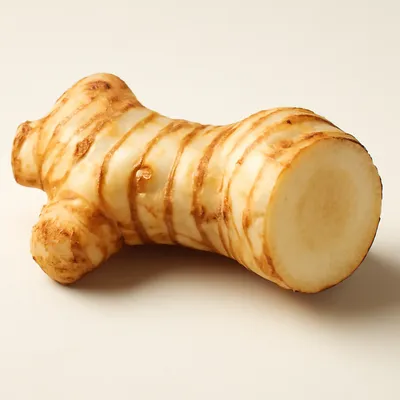
Kalio belongs to the Padang (Minangkabau) cuisine of West Sumatra and shares its identity entirely with rendang — the two are not separate recipes but consecutive stages of one long cooking process. Minangkabau tradition names the meat by how far the coconut milk has been reduced, ranging from the wettest to the driest: gulai, kalio, then rendang. Kalio is valued in its own right for its softer texture and abundant gravy, and is common in everyday Minang home cooking and on the Rumah Makan Padang spread. The distinction matters because the further-reduced rendang was historically the travel food — dried hard for weeks of shelf life — whereas kalio, still moist, is meant to be eaten fresh and soon.
The beef is tender and still moist, not the bone-dry shred of full rendang, and it sits in a thick, glossy, oily gravy you can spoon. The flavor is already deep — toasted coconut, caramel sweetness, lemongrass and galangal, the slow burn of dried chili — but rounder and gentler than rendang, since the sugars and spices have not yet darkened to their most concentrated, slightly bitter edge. The sauce is the point: reddish-brown and rich, it pools around the meat and soaks generously into rice in a way dry rendang never does.
Kalio and rendang are separated only by time: the same pot of beef, coconut milk and fried spice paste, taken to different degrees of reduction. In the kalio stage the coconut milk has thickened and just begun to split — its oil rising — but the dish still holds a wet, clinging gravy; cook it four to six hours longer, stirring constantly so it does not scorch, and the liquid evaporates, the meat fries in its own released oil and the dish darkens into dry rendang. Stopping at kalio gives a moister result with a less caramelized, less concentrated flavor. The cook's judgment of exactly when to stop — by color, by oil, by dryness — is the whole skill.
Variations
Kalio is most often made with beef, like rendang, but chicken, duck, liver and even jackfruit or egg are given the same treatment. Some Minang cooks deliberately stop at kalio for a saucier dish to eat with rice, while others regard it only as a way-station on the road to rendang. Regional and household preferences set how oily or how dark the kalio is allowed to get before serving, and the line between a dark kalio and an early rendang is genuinely blurry.
On the Palate
Where Kalio sits in the Indonesian flavor cloud
Ingredients
Serves 5



How it's made
8 steps · 50 min active + 1 hour 40 min waiting
- 112 min
Grind red chili, shallot, garlic, galangal, ginger, turmeric and lemongrass into a fine spice paste.
- 28 min
Fry the paste in oil until the oil separates and the aromatics bloom.
- 32 min
Add kaffir lime leaf, bay leaf and bruised lemongrass and fry briefly.
- 46 min
Pour in coconut milk and bring to a gentle simmer, stirring so it does not split.
- 530 min
Add the beef and simmer, stirring often, as the gravy slowly thickens.
Watch outSimmer the beef, stirring often as the gravy thickens — constant stirring stops the coconut milk from scorching on the bottom, which would streak the whole pot with a burnt taste.
- 628 min
Continue reducing until the sauce turns reddish-brown and oily but still saucy.
- 72 min
Stop at the kalio stage while a glossy gravy clings to the tender meat.
Watch outStop at the kalio stage — sauce turned reddish-brown and just beginning to release its oil but still clinging and moist; cook on and it dries into dark rendang.
- 84 min
Season with salt, rest briefly, and serve hot with white rice.
