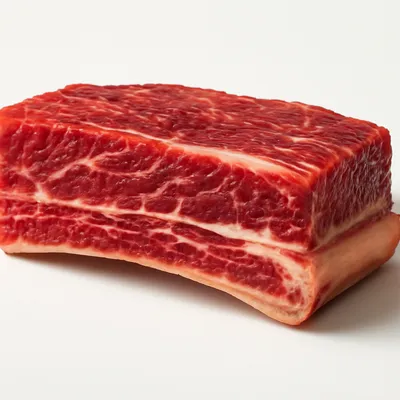
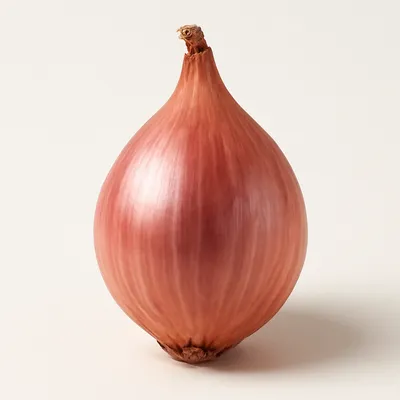
A dark, coriander-heavy beef-rib soup from Makassar, South Sulawesi. Meaty short ribs are simmered for hours in a broth coloured deep brown-black by keluak, the fermented kernel of the kepayang nut, which lends a nutty, faintly earthy depth. The spice paste leans hard on toasted coriander, with nutmeg, clove and pepper behind it; many cooks finish the broth with toasted grated coconut for body. It is served with rice or with ketupat, scattered with fried shallots and a squeeze of lime.




Konro is a dish of the Bugis and Makassar people of South Sulawesi, and the rib soup is one of the staples of Makassar's beef-soup culture alongside coto and pallubasa. Its defining colour comes from keluak (kluwak), the same fermented nut that darkens Javanese rawon; raw kepayang seed is toxic and must be boiled and fermented before use, so its presence in the dish reflects a long-known method of detoxifying the nut. Beyond its regional origin the soup has no single documented inventor, and is best understood as a traditional Makassar preparation.
The broth is deep and dark, almost black in the bowl, and the first taste is all toasted coriander — warm, citrusy, a little bittersweet — over a nutty base from the keluak. The rib meat slides off the bone in soft strands, rich with marrow and fat from the long cook. There is none of the coconut sweetness of a Betawi soto here; the flavour is savoury, spiced and slightly funky from the fermented nut. Fried shallots add crunch and a squeeze of lime brightens each spoonful.
Keluak is the engine of both colour and flavour: the fermented nut is mashed and worked into the spice paste, where its dark pigment and nutty, fermented notes diffuse through the broth — the same principle behind rawon. Coriander seed is dry-roasted before grinding, which drives off raw harshness and deepens its citrus-warm aroma. The spice paste is fried in oil until the oil separates so the aromatics bloom before the stock is added. The ribs are simmered low and long to render their collagen and marrow into the broth, building body; where toasted grated coconut is used, its oil and ground flesh thicken the soup further.
Variations
The best-known split is between Sop Konro, the soup, and Konro Bakar, in which the simmered ribs are lifted out and charcoal-grilled with a peanut sauce, the broth served alongside. Cooks vary in how much keluak they use, so the colour ranges from deep brown to near-black, and some omit the toasted coconut for a lighter broth. The dish is eaten with steamed rice or with ketupat depending on the stall.
On the Palate
Where Sop Konro sits in the Indonesian flavor cloud
Ingredients
Serves 4

How it's made
8 steps · 30 min
- 115 min
Blanch the beef short ribs in boiling water, then drain and rinse to clean.
- 210 min
Dry-roast the coriander seed and other whole spices, then grind to a powder.
- 320 min
Boil and soften the keluak, scoop out the dark flesh, and pound it with shallot, garlic, candlenut and the ground spices into a paste.
Watch outBoil the keluak soft, scoop the dark flesh, and pound it into the paste — that fermented nut is the engine of the broth's black colour and nutty depth, so work it in smooth with no lumps.
- 410 min
Fry the spice paste in oil over medium heat until fragrant and the oil separates.
- 55 min
Add the ribs and toss to coat, then pour in water with lemongrass and bay leaf.
- 6140 min
Simmer gently for 2 to 2.5 hours until the rib meat is very tender and the broth is dark.
Watch outSimmer low and long, two to two and a half hours, until the rib meat is falling-tender and the broth turns dark — short of that the collagen hasn't melted and the broth stays thin and pale.
- 75 min
If using, stir in toasted grated coconut and season with salt and a little palm sugar.
- 85 min
Serve in bowls topped with fried shallots and scallion, with rice or ketupat and lime on the side.
