A Surabaya salad that mixes boiled cow snout and lip with unripe fruit, vegetables, tofu, and tempeh, all bound in a thick black dressing of petis shrimp paste pounded with peanuts, chili, and palm sugar. Slices of green mango, water-apple, and cucumber meet blanched water spinach and bean sprouts, then everything is tossed in the dark, pungent sauce. It is hearty and unmistakably East Javanese — the cingur (snout) is what gives the dish its name and its character.
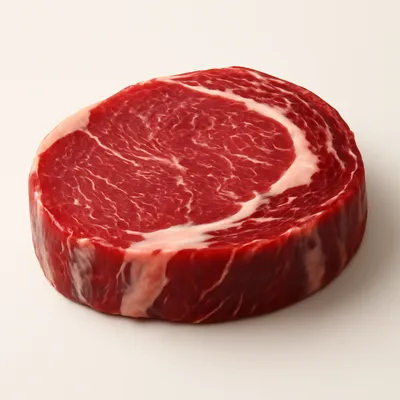
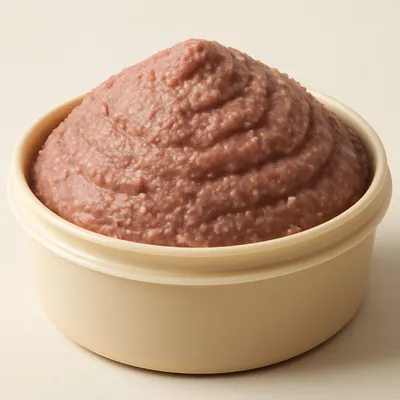


Rujak cingur is a signature dish of Surabaya in East Java, where 'cingur' is the local word for the boiled snout and lip meat that defines it. It sits within Java's broad 'rujak' tradition of fruit-and-vegetable salads in pungent dressings, but the use of cingur and a heavy petis-based sauce makes this the city's own version. Petis, a thick dark paste cooked down from the boiling liquid of shrimp or fish, is the East Javanese ingredient at its heart. The dish is long-established street and warung food with no single recorded origin date.
The sauce hits first — thick, almost black, intensely savory and faintly funky from the petis, sweetened with palm sugar and roughened with chili and ground peanut. Against it the green mango is mouth-puckeringly tart, the cucumber and water-apple cool and crisp, and the tofu and tempeh soft and absorbent. The cingur itself is the surprise: gelatinous and springy, mild in flavor, a textural counterpoint to all the sharp fruit. It is a deliberately challenging, deeply savory dish that locals love and newcomers learn to.
The cingur needs long boiling to turn its tough collagen-rich tissue tender and springy, the same gelatin-forming process that softens any cut full of connective tissue. The dressing is built by pounding: petis supplies a concentrated glutamate-rich umami and the dark color, while ground roasted peanuts add fat and body and help bind the sauce into a thick, clinging paste. Palm sugar, tamarind or lime, and chili balance the salty-funky petis against sweet, sour, and hot. Using unripe fruit is deliberate — their firmness and sharp acidity hold up against the dense sauce where ripe fruit would turn to mush.
Variations
Rujak cingur matengan is the 'cooked' version using only boiled vegetables and tofu without the raw fruit, for those who want it gentler; the full version mixes raw fruit and cooked elements. Sauces range from milder and sweeter to fiercely pungent depending on how much petis the seller uses. Beyond cingur, similar petis-dressed rujak across East Java may feature different proportions of fruit and vegetable, and some plates are finished with crackers or rice for a fuller meal.
On the Palate
Where Rujak Cingur sits in the Indonesian flavor cloud
Ingredients
Serves 4



How it's made
8 steps · 40 min active + 50 min waiting
- 145 min
Boil the cow snout and lip in water until very tender and springy, then cool and slice.
Watch outBoil the snout and lip long, until they turn very tender and springy — that connective tissue needs the long cook to soften into a bouncy bite; pull it early and it's rubbery and tough.
- 26 min
Pound roasted peanuts, chili, and palm sugar with the petis shrimp paste into a thick dark sauce.
- 32 min
Loosen the sauce with a little tamarind water to a clinging consistency.
Watch outLoosen the pounded sauce with just enough tamarind water to a thick clinging consistency — too thin and it slides off the fruit; the sauce should coat, not pool.
- 44 min
Blanch the water spinach and bean sprouts briefly, then drain.
- 56 min
Slice the green mango, cucumber, and water-apple, and cube the tofu and tempeh.
- 66 min
Fry the tofu and tempeh until golden if not already cooked.
- 73 min
Combine the sliced cingur, fruit, vegetables, tofu, and tempeh in a bowl.
- 82 min
Spoon over the petis-peanut sauce, toss to coat, and serve at once.
Archive tool suggestions — not reviewed
These legacy suggestions have not been evidence-reviewed and are not presented as required tools.