Bright-green juice blended from raw pennywort (rau má, gotu kola), strained and sweetened — Vietnam's everyday cooling drink. The leaves and stems are pulverized with water and a little sugar, then poured over ice; the most-loved version folds in soft-cooked mung bean and a thread of coconut cream for a thicker, near-milky cup. It tastes the way fresh-cut grass smells, faintly bitter, and Vietnamese drink it less for pleasure than to 'cool the body' in the heat.




Pennywort (Centella asiatica) has been used in Vietnamese folk medicine for generations as a cooling, heat-clearing tonic, and the drink grows directly out of that tradition rather than out of any single shop or era. The herb is the same plant Sinhalese call gotu kola and Cantonese herbalists sell as a summer cooling green; in Vietnam the juice is sold from sidewalk carts and home kitchens alike, year-round but especially through the southern dry-season heat. Its folk reputation for cooling the body and clearing 'internal heat' is traditional belief, not a claim supported by modern medicine.
Vivid chlorophyll green, opaque, served very cold over crushed ice. The first note is unmistakably vegetal — like drinking the smell of a freshly mown lawn — with a clean grassy bitterness that the sugar only half-tames. The mung-bean-and-coconut version is the gentler one: the bean lends a starchy, sweet roundness and the coconut a soft fatty edge, turning the raw green sharpness into something closer to a light, herbaceous milkshake. Either way it finishes cooling and slightly astringent, never cloying.
Pennywort is mostly leaf and stem with very little juice of its own, so it is blended with water rather than pressed; straining through a fine cloth pulls out the fibre and leaves a smooth, deeply green liquid coloured by suspended chlorophyll. Sugar is dialled to balance the leaf's natural bitterness, and the drink is best consumed within an hour or two — left to stand, the chlorophyll dulls from bright green toward olive and the fresh grassy note fades. In the mung-bean version the cooked, mashed bean both thickens the cup and softens the raw herbal edge, while a spoon of coconut cream adds the fat that carries flavour and rounds the texture.
Variations
Plain rau má is just leaf, water, and sugar; rau má đậu xanh adds cooked mung bean for body; rau má đậu xanh nước dừa goes further with coconut cream or coconut water for a creamy, dessert-leaning cup. Some stalls blend in a little pineapple or a squeeze of lime to lift the green. Hot-climate cities of the south sell it from every juice cart; in the north it is drunk too but treated as a southern-leaning health drink.
On the Palate
Where Nuoc Rau Ma sits in the Vietnamese flavor cloud
Ingredients
Serves 2How it's made
6 steps · 12 min active + 3 min waiting
- 14 min
Wash the pennywort thoroughly, picking off any tough stems and grit.
- 220 min
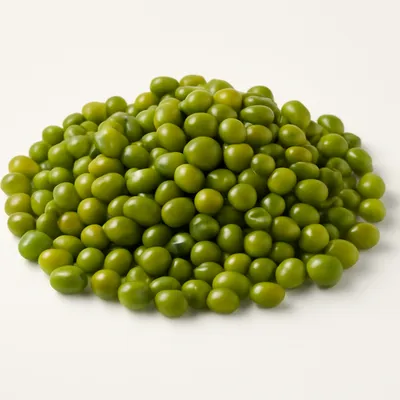
For the mung-bean version, simmer split mung beans until soft, then cool.
- 33 min
Blend the pennywort with cold water and sugar until completely broken down.
- 43 min
Strain the green liquid through a fine sieve or cloth, pressing to extract all the juice; discard the fibre.
Watch outPress the blended pennywort through a fine cloth, squeezing out all the juice — the leaf is nearly all fibre, so straining hard is what leaves you a smooth green liquid instead of a gritty pulp.
- 52 min
If using, blend in the cooked mung bean and a spoon of coconut cream until smooth.
- 61 min
Pour over crushed ice and serve immediately while bright green.
Watch outServe it right away while it's bright green — left standing, the chlorophyll dulls toward olive and the fresh grassy note fades.
Archive tool suggestions — not reviewed
These legacy suggestions have not been evidence-reviewed and are not presented as required tools.


