
Nom hoa chuoi is Northern Vietnam's banana flower salad, mostly associated with Hanoi home-cooking and the surrounding Red River delta. The naming itself signals the region — Northerners say nom for cold tossed dishes, Southerners say goi. Banana flowers are abundant where bananas are cultivated (most of the country), but the Northern preparation is distinctive in its restraint with sugar and chilli. It is often served as part of a multi-dish family meal alongside steamed rice and a clear soup, not as a stand-alone starter.
Hanoi banana-flower salad — northerners say nom, southerners say goi. Banana flower has latex and tannins that brown on air contact (polyphenol oxidation, same as cut apple); the lemon-water bath blocks the enzyme and physically extracts the latex. Use ceramic blade — carbon steel reacts faster with the sap.
Banana flower fans out into pale, slightly purple-edged threads, almost like raw radicchio but cleaner. The bite is dry-crisp at first, then a faint astringency arrives — the same tannic edge you get from young persimmon or unripe banana, just enough to sharpen the dressing. Chicken or shrimp sit lightly on top; peanut and fried shallot punch in last. Northern Vietnamese palate: less sugar in the dressing, the whole bowl runs more savoury and brighter than its Saigon cousins.
Banana flower contains latex sap and tannins that brown on contact with air (polyphenol oxidation, the same reaction as cut apple) and turn sticky on contact with metal. The lemon-water bath does two things: citric acid blocks the oxidation enzyme, and the rub-with-water step physically extracts the latex through the thin shaved cells. Without these steps the salad is grey, sticky, and unpleasantly bitter. Use a ceramic or plastic blade if possible — carbon steel reacts faster with the sap.
Variations
Hanoi northern version runs less sugar in the dressing, savoury-bright; Saigon southern goi hoa chuoi is sweeter and adds dried shrimp; Burmese mohinga-region adaptations use the flower in soup form rather than raw salad.
On the Palate
Where Nom Hoa Chuoi sits in the Vietnamese flavor cloud
Ingredients
Serves 4








How it's made
5 steps · 25 min active + 10 min waiting
- 18 min
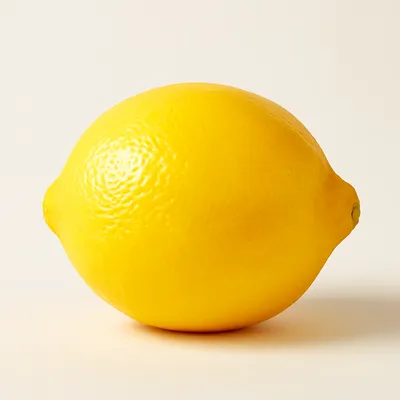
Fill a large bowl with cold water plus juice of 1 lemon and 1 tsp salt. Strip the tough outer petals from 1 banana flower (about 500g raw). Slice the inner heart paper-thin (1mm) on a mandolin, dropping straight into the lemon water as you cut — exposed banana flower browns within 60 seconds.
Watch outDrop each shaving straight into the lemon water as you cut — banana flower browns within a minute in open air, and grey is the tell of a botched salad.
- 212 min
Soak the shaved flower 10 minutes; rub gently between palms to bleed out the white sap (the source of bitterness and stickiness). Drain, rinse once, squeeze dry with hands. Texture should be feathery and crisp.
Watch outRub the shavings between your palms in the water until the milky sap bleeds out and the water clouds — that sap is the bitterness; leave it in and the bowl turns sticky and sharp.
- 35 min
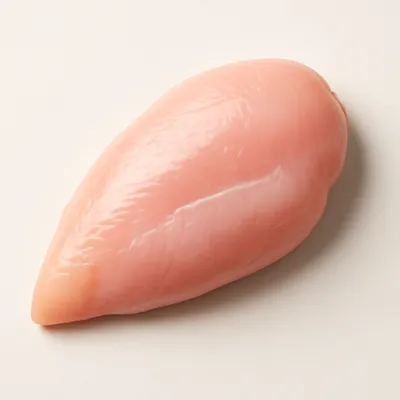
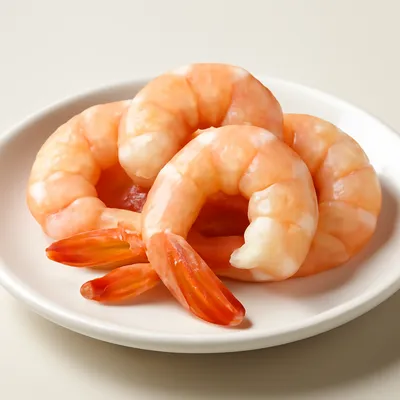
Hand-shred 250g cooked chicken breast (or use 200g poached shrimp halved lengthwise). Slice 1/2 small carrot into matchsticks. Slice 1/2 red onion thin, soak 5 minutes in cold water.
- 42 min
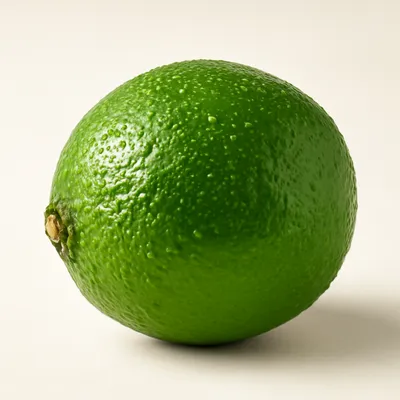
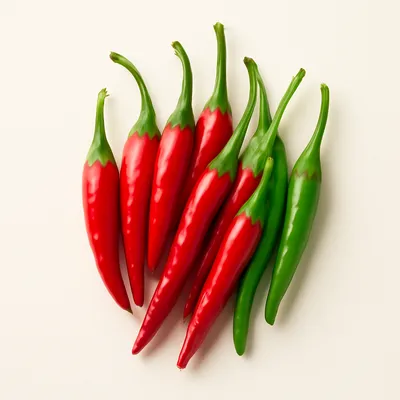
Whisk dressing: 3 tbsp nuoc mam (fish sauce), 3 tbsp lime juice, 2 tbsp sugar, 60ml warm water, 1 minced bird's-eye chilli, 1 minced garlic clove. Northern dressings are slightly less sweet than southern — the banana flower's astringency carries the bowl.
Watch outTaste the dressing before it goes in — a northern bowl runs a touch less sweet on purpose so the flower's astringency carries; over-sugar and it goes flat.
- 53 min
In a wide bowl combine drained banana flower, chicken, carrot, onion, a handful of torn Thai basil and rau ram (Vietnamese coriander). Pour over two-thirds of the dressing, toss with hands 30 seconds. Plate; top with 3 tbsp coarse-crushed roasted peanut and 2 tbsp fried shallot. Eat within 15 minutes.
Watch outToss with your hands just until coated, then eat within 15 minutes — the shavings weep water and go limp fast once dressed.
Archive tool suggestions — not reviewed
These legacy suggestions have not been evidence-reviewed and are not presented as required tools.
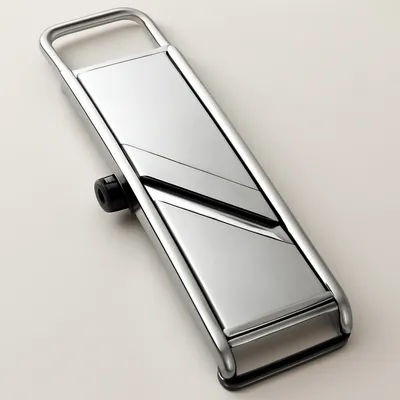
A flat slicing platform with an adjustable razor-sharp blade, set in a frame so the food slides over it. Outputs paper-thin discs (1 mm), julienne, waffle-cut, or matchstick — uniform in a way no knife work can match in speed. The Japanese benriner version is plastic-and-ceramic; the French Bron mandolin is heavy steel. Both demand a hand-guard — the blade has eaten more chefs' knuckles than any other kitchen tool.
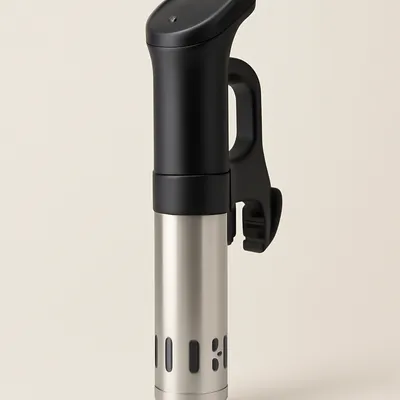
An electric immersion heater clipped to the side of a water bath, with a precise PID controller maintaining ±0.1°C accuracy. Vacuum-sealed proteins cook to a uniform internal temperature for hours without overshoot — a sous-vide steak is the same medium-rare from edge to centre, no gradient. Modern home circulators (Anova, Joule) cost under $200 and have replaced rare expensive water baths once exclusive to fine dining.


