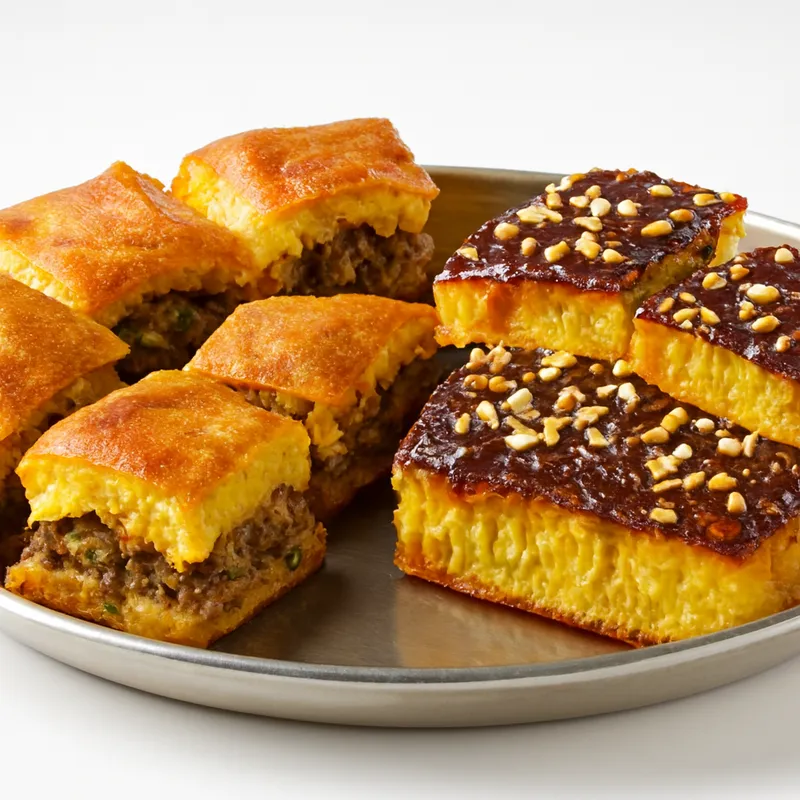
Manadonese smoked skipjack tuna — whole fillets of skipjack tuna brined briefly, then clamped between bamboo splints and slow-smoked over coconut-husk fires for 4-5 hours until the flesh is deeply mahogany, firm, and intensely smoky. Eaten flaked over rice with dabu-dabu sambal, or shredded into Cakalang Pampis (a Manadonese stir-fry). The defining preservation craft of the Sangihe-Talaud islands; sold throughout Indonesia as 'oleh-oleh khas Manado' (Manado specialty souvenir).




Cakalang Fufu is one of Indonesia's most distinctive smoked-fish products, produced primarily in the Sangihe-Talaud Islands and along the Manado coast of North Sulawesi. Skipjack tuna ('cakalang') is the canonical fish — its dark-red flesh and oil content respond beautifully to smoking. The 'fufu' technique uses split-bamboo clamps to hold pairs of fillets together while they smoke, allowing maximum surface exposure to the smoke. Coconut husk and shells are the canonical smoking fuel — they produce a distinctive sweet smoke unlike hardwood smoke. The finished product is shelf-stable for weeks unrefrigerated (typical of pre-refrigeration preserved fish). Modern Manado families still smoke their own cakalang fufu for special occasions, though most urban Manado people buy from specialist 'penjual cakalang fufu' vendors at Bersehati market.
Cakalang Fufu is the most intensely-smoky fish you'll eat. The flesh is dark and firm — closer to jerky than fresh fish — with concentrated tuna umami amplified by 4+ hours of coconut-husk smoke. Plain flaked over rice with dabu-dabu sambal, the contrast is electric: deep-smoky-salty fish + raw-bright-citrus-chili sambal + plain warm rice. As Cakalang Pampis stir-fry, the smoky shredded fish gets coated in Manadonese chili-shallot-lemongrass paste, becoming a textural-and-flavor-dense dish. Smoked Manadonese tuna is a flavor more Indonesian than nearly any other dish.
Smoking accomplishes three things simultaneously: (1) dehydration (4+ hours reduces water content by ~50%, extending shelf life), (2) phenol/aldehyde infusion (coconut husk smoke contains characteristic sweet phenols vs hardwood's pyrolytic acids), (3) protein denaturation (the 60-80°C low-and-slow temperature firms the proteins without cooking them harshly). The bamboo splint technique is the canonical Sangihe-Talaud touch — it presses paired fillets together to create flatter, more uniform smoking surface. Skipjack tuna is uniquely suited: dark-red flesh has more myoglobin (better browning), higher oil content (richer mouthfeel), and stronger natural umami than white-flesh fish.
Variations
Sangihe-Talaud canonical (4-5 hour smoke, coconut husk fuel); 'Cakalang Fufu Manado' (Manado city style, sometimes faster smoke at higher heat); modern factory-smoked versions are sold throughout Indonesia (consistent quality but less smoke depth); home-smoked variants vary widely in flavor by fuel choice; 'Bonito Fufu' uses bonito instead of skipjack (slightly milder); Filipino 'tinapa' is a related but distinct smoked-fish technique; commercial vacuum-packed cakalang fufu ships internationally.
On the Palate
Where Cakalang Fufu sits in the Indonesian flavor cloud
Ingredients
Serves 4


How it's made
10 steps · 50 min active + 3 hours 10 min waiting
- 11 min
Note: home-smoking requires outdoor space + coconut husks; for indoor adaptation use a stovetop smoker with wood chips.
- 28 min
Prep fish: scale and gut 4 skipjack tuna (each ~400-500g; substitute with bonito or small tuna if cakalang unavailable). Fillet but leave the skin on; cut each into 2 thick fillets.
- 322 min
Brine: in a large bowl combine 1L water + 80g salt + 1 tbsp turmeric powder + 4 garlic cloves (smashed) + 4 candlenuts (smashed). Submerge the fillets 20 min.
- 44 min
Drain; pat dry. Insert 2-cm-wide bamboo splints lengthwise into each fillet to hold flat (or use bamboo skewers in a cross pattern).
- 55 min
Set up smoker: outdoor — build a fire of coconut husks and a few coconut shells; let it burn down to embers. Place a grill rack 40cm above the embers. Indoor — set up stovetop smoker with apple-wood or coconut chips.
- 6270 min
Smoke fillets: place fillets on the rack skin-side down. Cover loosely. Smoke 4-5 hours, replenishing fuel every 45 min to maintain steady smoke and 60-80°C temperature. The fillets should become deep mahogany-brown with firm, dry surface.
Watch outHold the smoke steady and low, feeding fuel every 45 minutes — you want a thin, even smoke, not flames; the fillets are done when the surface is dry and a deep mahogany-brown.
- 730 min
Cool the smoked fillets uncovered 30 min. The fish should now be intensely smoky-scented and firm to the touch.
Watch outCool it uncovered until the surface is firm and dry to the touch — that firmness tells you the smoke drove off enough moisture to keep well.
- 81 min
Storage: wrap in banana leaf or parchment; refrigerate up to 2 weeks or freeze 3 months.
- 95 min
Serving option 1 (plain): flake the smoked fish over steamed rice + dabu-dabu sambal + sliced scallion + lime. Eat by mixing.
- 109 min
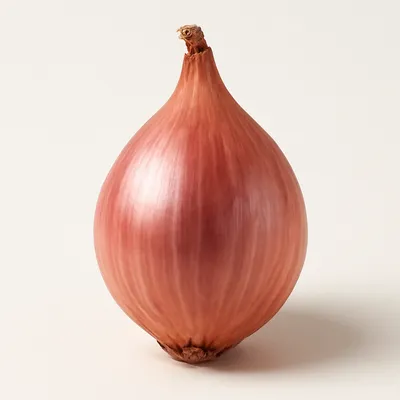
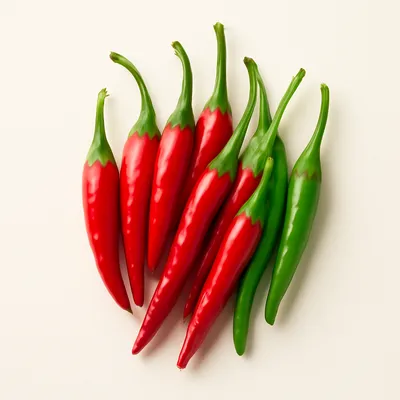
Serving option 2 (Cakalang Pampis stir-fry): shred 200g cakalang fufu. Sauté 6 sliced shallots + 4 garlic cloves + 4 bird's eye chilies + 3 red chilies in 3 tbsp coconut oil 5 min. Add the shredded fish + 1 tsp turmeric + 1 tsp palm sugar + 2 kaffir lime leaves + 30g lemon basil. Stir-fry 4 min. Serve over rice with extra basil.
Watch outFor the pampis, keep the shredded fish moving over the heat just 4 minutes — long enough to coat it in the spice paste but not so long it dries into hard threads.