
Manadonese raw chopped chili sambal — diced bird's eye chilies, red chilies, shallots, tomato, and scallion tossed with lime juice and a splash of hot coconut oil. Bright, citrusy, fiery, sweet from the tomato — totally raw, totally fresh. The sambal of choice with grilled fish, tinutuan porridge, and any Manado plate. Distinct from sambal matah (Balinese) by including tomato and being chunkier; distinct from pico de gallo by adding hot coconut oil.
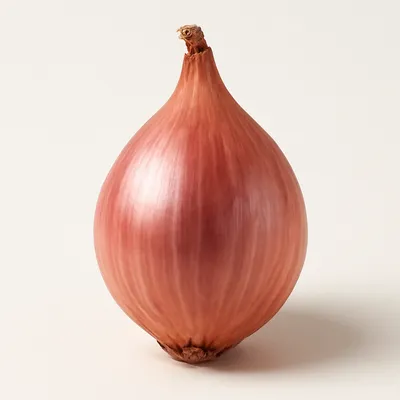
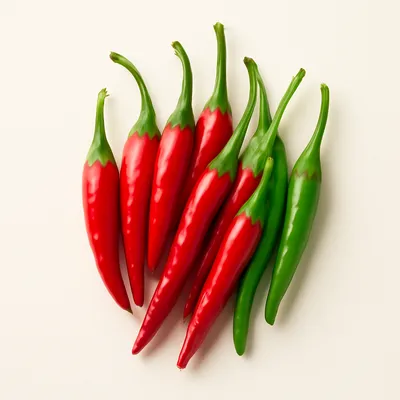




Sambal Dabu-Dabu is the canonical raw sambal of Minahasan cuisine, found at every Manado meal. The name 'dabu-dabu' is Minahasan dialect for the dish — in Minahasan/Manado usage 'dabu-dabu' simply means 'sambal/relish,' while the canonical 'lilang' means 'chopped,' describing the diced texture. Two main variants: 'dabu-dabu lilang' (the canonical, with hot oil drizzle that very lightly cooks the chili surface) and 'dabu-dabu mentah' (entirely raw, no oil). The Manado fish-grill restaurants always serve dabu-dabu alongside grilled fish — it's so essential that some restaurants list 'ikan bakar' as 'ikan bakar dabu-dabu' to confirm sambal availability. Modern Indonesian-American Manadonese restaurants always feature dabu-dabu; without it, the cuisine feels incomplete. Distinct from sambal matah (Balinese, smaller dice, no tomato) and sambal terasi (cooked, contains shrimp paste).
Dabu-dabu is the sambal that wakes up your face. Visually it's beautiful: red chili and shallot bits, deep-red tomato chunks, green lemon basil leaves, white scallion rings. The first taste hits with three things at once: chili fire (sharp bird's eye), citrus acid (lime juice + tomato), and aromatic top notes (lemon basil + scallion). The raw shallot pungency builds in the back of your throat. With the hot-oil 'lilang' variation, there's a deep oily aromatic richness that the entirely-raw version lacks. Drop a teaspoon onto grilled fish: the cold sambal meets warm fish in your mouth, and Manadonese cuisine makes total sense.
Dabu-dabu's chunky texture is the technical signature — uniform-sized small dice (NOT minced or pounded) preserves each ingredient's individual character per bite. Lime juice provides citric/ascorbic acids that brighten and slightly cure the chili oils on the chili surfaces (mild fermentation effect). The hot coconut oil drizzle in the 'lilang' version sears the chili surfaces, releasing more capsaicin while keeping the structure raw. Lemon basil leaves are added at the end because their essential oils dissipate quickly when heat-exposed.
Variations
Lilang canonical (with hot-oil drizzle); 'Dabu-dabu Mentah' (entirely raw, no oil); 'Dabu-dabu Roa' (with smoked roa fish flakes added — strong fishy umami); 'Dabu-dabu Mangga' (with green mango pieces for tang); modern restaurant versions sometimes add minced ginger for warmth; vegan-friendly throughout; doesn't store well — must be made within 1 hour of serving (the raw shallot loses pungency quickly).
On the Palate
Where Sambal Dabu-Dabu sits in the Indonesian flavor cloud
Hand-cut everything into even small dice — never blend or pound — so each bite keeps the distinct pop of chili, shallot and tomato.
Ingredients
Serves 6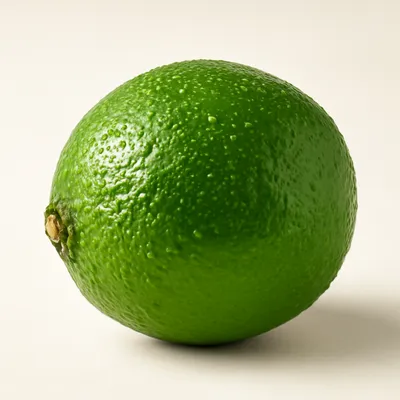


How it's made
6 steps · 10 min active + 5 min waiting
- 15 min
Prep all ingredients with knife (don't blend — dabu-dabu must be hand-cut chunky): finely dice 8 shallots + 8 bird's eye chilies (red preferred) + 4 large red chilies + 2 tomatoes (drained briefly to remove excess juice).
Watch outAim for uniform small dice — even size is what makes each spoonful balanced.
- 23 min
Finely slice 2 stalks scallion + finely shred 3 kaffir lime leaves.
- 31 min
Combine all chopped ingredients in a bowl. Add 3 tbsp lime juice + 1 tsp salt + 1 tsp palm sugar. Stir gently.
- 41 min
Optional (canonical 'dabu-dabu lilang' style): heat 3 tbsp coconut oil in a small pan until just smoking. Pour the hot oil over the sambal in a thin stream — there should be a sizzle and aromatic burst. Stir gently. The oil very lightly cooks the surface of the chilies (releases more capsaicin) and develops a slight depth, but the sambal remains predominantly raw.
Watch outHeat the oil till it just wisps smoke, then pour in a thin stream — you want a sizzle and an aromatic burst, surface only.
- 55 min
Let stand 5 min for flavors to mingle.
- 61 min
Serve at room temperature in a small bowl alongside any Manado dish — particularly grilled fish, tinutuan porridge, ayam rica-rica leftover, or even plain steamed rice. Eat in small spoonfuls.


