A Makassar street snack of half-ripe bananas grilled over charcoal, pressed flat, then grilled again and drenched in a warm palm-sugar syrup. Firm pisang kepok bananas are used so they hold their shape when squashed under a wooden press. The syrup is often perfumed with durian or jackfruit, and the finished bananas may be topped with cheese or chocolate. It is the signature evening treat along Makassar's Losari beachfront.


Pisang Epe is a folk snack of the Bugis-Makassar coast, where bananas grow year-round and grilling over coals is the simplest way to cook them. Its name comes from the Makassarese epe, 'to press,' describing the wooden clamp that flattens each banana. No single inventor or date is recorded; it is street food that grew up with the city's harbour life. Today it is most closely tied to Pantai Losari, the seafront promenade where carts line up at dusk and the smell of grilling bananas and palm sugar drifts over the water.
Edges caramelised and faintly smoky from the coals, the inside warm and soft but still holding together after pressing. The palm-sugar syrup pools over the top, thick and toffee-dark, with a deep molasses sweetness that the slightly starchy, not-quite-ripe banana balances. With durian in the syrup it turns lush and heady; plain, it is simple and comforting, eaten hot off the grill.
Half-ripe bananas are chosen because their firmer starch holds up to pressing and grilling without collapsing into mush. The first grilling softens the fruit so it can be flattened; the second crisps and caramelises the cut surfaces. The syrup is palm sugar melted with a little water until it thickens and the sugars darken, deepening from sweet to faintly bitter-toffee, which clings to the warm banana and sets slightly as it cools.
Variations
The classic is palm-sugar syrup alone, but stalls now offer durian, jackfruit, cheese, chocolate or condensed-milk toppings. Some grill the banana whole and press only once; others serve a thinner, pourable syrup. The fruit is almost always pisang kepok, prized for staying firm.
On the Palate
Where Pisang Epe sits in the Indonesian flavor cloud
Ingredients
Serves 4How it's made
8 steps · 10 min
- 12 min
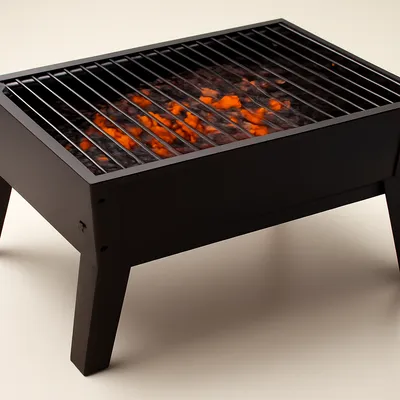
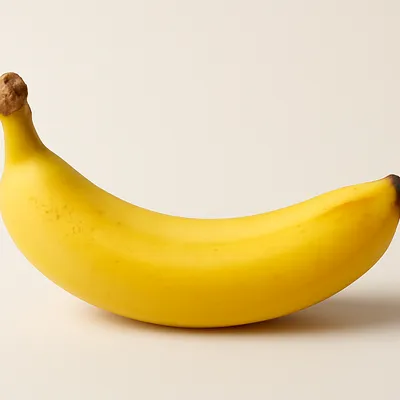
Peel half-ripe pisang kepok bananas and lay them on a hot charcoal grill.
Watch outUse half-ripe bananas, not fully soft ones; their firmer starch survives pressing and grilling, where ripe fruit just collapses into mush.
- 24 min
Grill briefly on both sides until softened and lightly marked.
- 32 min
Press each banana flat with a wooden clamp or flat board.
- 43 min
Return the flattened bananas to the grill and char the cut surfaces.
Watch outAfter pressing, char the flattened cut surfaces on the grill; those caramelized faces are what give pisang epe its smoky-sweet edge.
- 55 min
Melt palm sugar with a little water and pandan, simmering until thick.
Watch outSimmer the palm sugar until it thickens and darkens from sweet toward faintly bitter-toffee; that reduction is what clings to the warm banana and sets as it cools.
- 62 min
Stir in durian or jackfruit if using, and cook a moment more.
- 71 min
Arrange the grilled bananas on plates and pour the warm syrup over.
- 81 min
Add toppings if desired and serve hot.
Archive tool suggestions — not reviewed
These legacy suggestions have not been evidence-reviewed and are not presented as required tools.