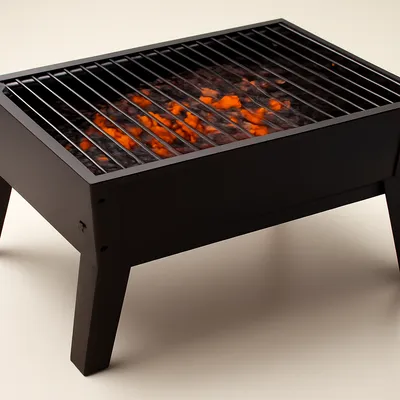
A traditional Betawi street sweet, also called sagu rangi, made from a simple batter of tapioca starch and grated coconut cooked in a cast metal mould over a small fire. The result is a small, ridged cake — chewy and coconut-rich, drier than the similar kue pancong — that is served under a thick, glossy palm-sugar sauce. The sauce is gelatinised with a little starch and sometimes scented with pandan or studded with pieces of jackfruit or pineapple. Cooked the old way over a wood fire, it carries a faint smoky aroma.
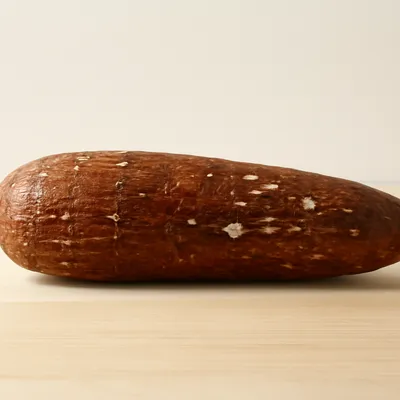



Kue rangi is documented as one of the traditional snacks of the Betawi, the native people of Jakarta, and is counted among the city's older street sweets. Its base is among the simplest in the Betawi repertoire — tapioca starch (which Betawi cooks call sago flour) and grated coconut — reflecting the cheap, local ingredients of everyday street food. It is traditionally made to order by vendors working a small mould over a portable stove, and like several heritage Betawi snacks it has become less common on the city's streets in recent decades. Precise dating of the sweet is not well established.
Fresh off the mould the cake is hot, with crisp ridged edges giving way to a soft, chewy, coconut-flecked centre — tapioca gives it that pleasant springy pull. On its own it is mild and only lightly sweet, almost savoury from the coconut and salt. Then comes the palm-sugar sauce, poured over thick and warm: deeply sweet, slightly caramel, glossy and clinging, with the toasty fragrance of gula merah. When made over a wood fire there is a whisper of smoke behind it all. Eaten warm, in a few unhurried bites, it is the kind of simple market sweet that rewards being eaten on the spot.
The texture rests on tapioca starch. Heated with liquid it gelatinises into a chewy, slightly translucent body rather than the crumbly structure flour and eggs would give, and grated coconut breaks that chew with fat and aroma. The cast mould holds the batter in small cups and conducts intense, direct heat, so the edges set and crisp while the centre stays soft; cooking over a live fire adds the browned, smoky notes. The sauce is a worked palm-sugar syrup: gula merah is melted with water and a little starch slurry, which thickens it on cooling into a glossy, pourable glaze that coats the cake instead of soaking in, keeping the cake's drier texture intact.
Variations
The plain coconut version is the standard, but the sauce is where cooks play, perfuming the palm-sugar syrup with pandan or folding in chunks of jackfruit or pineapple for a fruity note. It is closely compared with kue pancong (also kue bandros or gandos), which uses a similar coconut batter in a like-shaped mould but comes out moister and is usually eaten with just sugar on top rather than a poured sauce. Some modern stalls vary the sweetness or richness of the batter, but the cast-mould, palm-sugar-sauce form is what defines kue rangi.
On the Palate
Where Kue Rangi sits in the Indonesian flavor cloud
Ingredients
Serves 4How it's made
8 steps · 20 min
- 110 min
Mix tapioca starch, grated coconut and a pinch of salt with enough water to make a thick, spoonable batter.
- 25 min
Heat the cast metal mould over a low to medium flame and lightly grease the cups.
- 312 min
Spoon the batter into each cup, cover, and cook until the edges are set and crisp and the centre is just firm.
Watch outCook until the edges are set and crisp but the center stays soft — the cast mold crisps the rim while the tapioca middle should stay chewy.
- 42 min
Lift the small cakes out of the mould and keep warm.
- 55 min
For the sauce, melt palm sugar with a little water and a knot of pandan over low heat.
- 65 min
Stir in a thin starch slurry and cook, stirring, until the syrup thickens to a glossy, pourable sauce; strain if needed.
Watch outStir the starch slurry into the palm syrup and cook until it turns glossy and coats a spoon — that's the pourable glaze; too thin and it runs right off the cake.
- 72 min
Arrange the warm cakes on a plate.
- 82 min
Pour the thick palm-sugar sauce generously over the top and serve at once.
Archive tool suggestions — not reviewed
These legacy suggestions have not been evidence-reviewed and are not presented as required tools.