Thin, crisp rolled wafers — a batter of rice flour, coconut milk, egg, and sugar pressed in a hot iron and rolled into a slim cigar while still pliable, often speckled with toasted sesame or a little shredded coconut. Thong muan is the ubiquitous Thai biscuit-tin sweet: light, shatteringly crisp, faintly coconut-sweet, sold in cellophane bundles at markets and stacked in tins for festivals, gifts, and Lunar New Year.


Thong muan — the name means rolled gold — is a long-established Central Thai crisp sweet, a coconut-and-rice-flour wafer cooked in a hinged iron and rolled by hand, part of the broad family of pressed-wafer biscuits found across Southeast Asia and, through Chinese-Thai households, kin to the rolled egg-roll biscuits of southern China popular at Lunar New Year. Its exact origin is not documented, but it sits firmly in the Thai tradition of coconut-milk crisp sweets and has become a standard everyday and festive biscuit nationwide, valued for keeping well in a sealed tin where moister sweets cannot.
Picked up whole and bitten through, it shatters into fine flaky shards with a clean, light snap — almost no resistance, just crisp giving way to crumbs. The taste is delicate: gently sweet, with a clear coconut-milk fragrance and a toasty, faintly eggy note, lifted by the nutty pop of sesame if used. It is not rich; the pleasure is the airy, brittle texture and the quiet coconut perfume. Made well it is pale gold, paper-thin, and crisp through; stale or under-cooked it turns leathery or tastes of raw flour, and any damp in the tin softens it fast.
Crispness comes from a thin, fat-and-sugar-rich batter spread paper-thin and cooked on a hot iron until almost no water remains. Coconut milk supplies fat that fries the wafer crisp rather than leaving it dry, sugar caramelises lightly for colour and snap, and a little tapioca or rice flour gives the brittle, short texture. The batter is pressed between the hot plates of a thong muan iron until set and barely coloured, then — and this is the timing that matters — lifted while still hot and pliable and rolled at once around a stick or dowel; it crisps as it cools into a rigid tube. Let it cool flat and it can no longer be rolled without cracking, so each wafer is pressed, rolled, and set one at a time.
Variations
Plain coconut is the base; toasted white or black sesame is the most common addition, and shredded coconut, a little pandan, or a pinch of salt for balance also appear. Some are rolled into tight cigars, some into wider flatter rolls or folded into fans. Closely related pressed-wafer sweets go by other names across the region and in Chinese-Thai kitchens as egg rolls; the coconut-rich, sesame-flecked rolled wafer is the everyday Thai standard.
On the Palate
Where Thong Muan sits in the Thai flavor cloud
Ingredients
Serves 8How it's made
8 steps · 40 min active + 5 min waiting
- 16 min
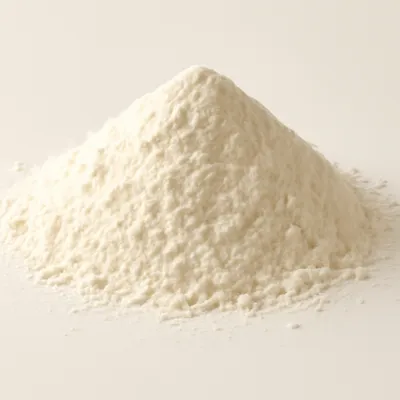
Whisk rice flour and a little tapioca flour with sugar, egg, and coconut milk into a smooth thin batter.
- 25 min
Stir in toasted sesame seeds and rest the batter briefly until even.
- 34 min
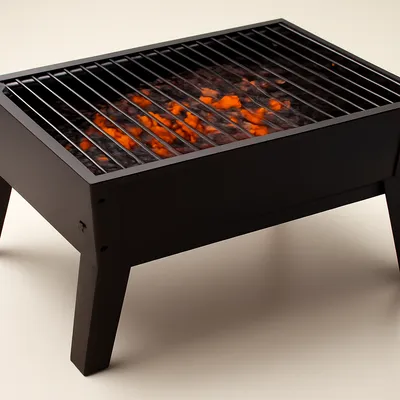
Heat a hinged thong muan wafer iron over the stove until evenly hot.
- 46 min
Spoon a little batter onto the iron, close it, and press until the wafer is set and pale gold.
Watch outPress until the wafer is set and only pale gold — brown it and it loses the delicate snap, and it won't roll without cracking.
- 53 min
Open the iron and lift the hot, pliable wafer off carefully.
- 63 min
Immediately roll the hot wafer tightly around a thin stick or dowel into a slim cigar.
Watch outRoll it the instant it comes off the iron, while it's hot and pliable — let it cool even a little and it sets rigid and shatters.
- 73 min
Slide the rolled wafer off and let it cool a few seconds until it sets crisp and rigid.
- 810 min
Repeat with the remaining batter and store the cooled rolls in an airtight tin.
Archive tool suggestions — not reviewed
These legacy suggestions have not been evidence-reviewed and are not presented as required tools.