


Betawi
Jakarta's multicultural fusion — coconut creaminess meets Arab-Indian spice.
Soto Betawi
Jakarta-Betawi coconut beef soup
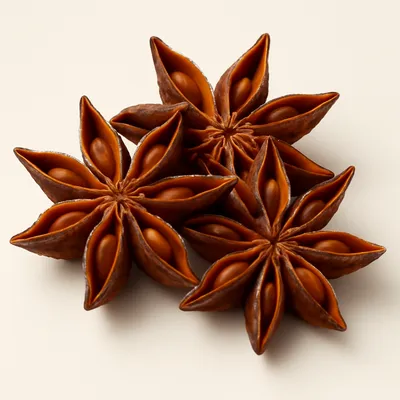
View page →A bowl of Soto Betawi steams on a plastic-cloth-covered table in Tanah Abang — milky-thick with coconut and cow's milk, fragrant with cardamom, cloves, and cinnamon, the brisket and tendon already sliding apart in the broth. Next to it sits a parcel of Nasi Uduk wrapped in banana leaf, the coconut-rice perfumed with pandan and lemongrass, ringed by telur balado, tempe orek, and sambal kacang. At the next table over, a man tilts a clay pan over open flame to char the bottom of his Kerak Telor; outside, the cool plate of Asinan Betawi sits in a pool of peanut-tamarind dressing.
Betawi cuisine is what happens when the indigenous population of old Batavia (now central Jakarta) absorbs centuries of Chinese, Arab, Indian, and Dutch influence: Soto Betawi inherits its cardamom-clove-cinnamon spicing from Middle Eastern traders, its coconut-milk-and-cream broth from European colonial cooking, and its rice-and-offal soul from indigenous Javanese tradition. Kerak Telor — the charcoal-charred rice-omelette flipped upside-down over flame — is unique to Jakarta and has no equivalent elsewhere in Indonesia. The result is the most multicultural regional cuisine in the archipelago, anchored by the dense, sweet-savory profile of palm sugar, kecap manis, and slow-simmered creamy broths.
Start Here
Soto Betawi is Jakarta's velvet curtain: brisket and tendon simmered in a coconut-milk-and-cow's-milk broth perfumed with cardamom, cloves, and cinnamon — the most creamy and Middle-East-spiced of all Indonesian sotos.
Why start here · Soto Betawi is the gateway to Betawi cuisine — it reveals the Arab-Indian-Dutch-Javanese fusion lineage in one bowl.
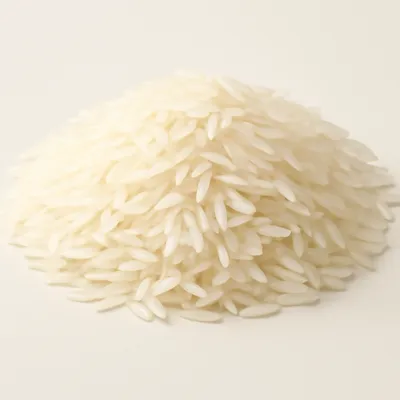
Nasi Uduk is the canonical Jakarta breakfast: rice cooked in coconut milk with pandan and lemongrass, served with telur balado, tempe orek, fried vermicelli, and sambal kacang on banana leaf.
Why start here · Nasi Uduk teaches the Betawi 'paket' (plate) format — multiple accompaniments around fragrant coconut rice, each cooked with its own bumbu but sharing aromatic family resemblance.
Kerak Telor is Jakarta's most theatrical street food: glutinous rice mixed with duck egg, dried shrimp, fried coconut, and palm sugar, pan-fried in a clay pan that gets tilted over flame to char the bottom.
Why start here · Kerak Telor is unique to Jakarta — no other Indonesian region has a dish quite like it. The flip-over-flame technique is the Betawi street-food signature.
The Pantry


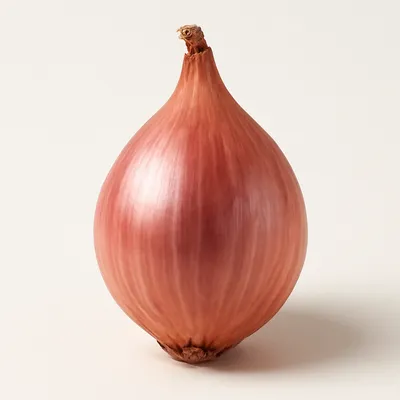



See all 68 ingredients›


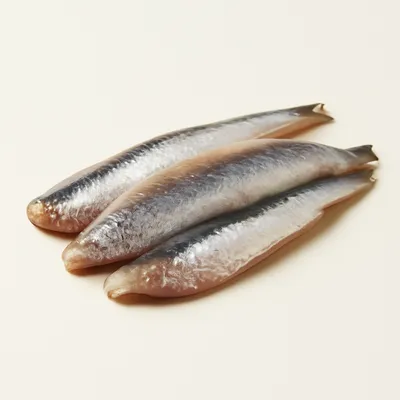













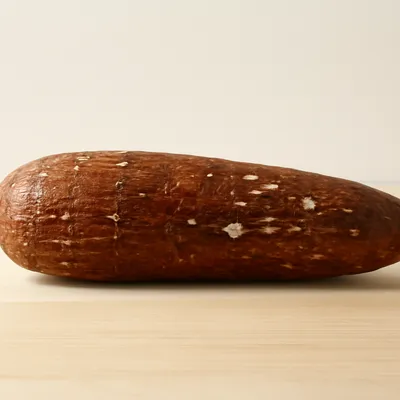


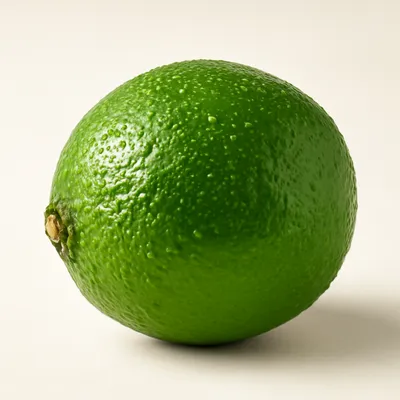

Herbs & Spices

















How They Cook
Techniques that define this cuisine
Kindred Kitchens
Cuisines built on the same signature ingredients
Other regions
Siblings within Indonesian — each its own tradition.

