The Betawi version of nasi ulam is a herbed rice plate, here in the dry southern-Jakarta style. Steamed rice is tossed with serundeng (toasted seasoned coconut), chopped kemangi and other fresh herbs, and a scatter of crushed peanuts, then plated with semur gravy, beef dendeng, fried anchovies, cucumber, fried shallots and crackers. Where many Indonesian rice dishes lean on coconut milk or chilli heat, this one is built on aroma — fragrant raw herbs cutting through the toasted, savoury coconut. It is a cooling, layered everyday meal and one of the older Betawi dishes now harder to find in the city.


Nasi ulam is found in several cultures across the archipelago, including the Betawi as well as Bali and Malay Sumatra, the word ulam referring to the mix of herbs and leaves eaten with rice. In Jakarta two styles are recognised: a wet, gravy-soaked version associated with the north and centre of the city, and a drier southern version in which finely chopped herbs are folded straight into the rice. The dish reflects the layered make-up of Betawi food, drawing on Malay herb-rice traditions and the toasted-coconut and dendeng elements common to the region. It is often described as a once-common Betawi specialty that has grown scarcer.
The first thing you notice is fragrance — the green, peppery lift of kemangi against the warm, nutty sweetness of toasted coconut serundeng. The rice is dry and separate, each grain coated and seasoned rather than wet. Then the toppings come in turn: dark, sweet semur; chewy strands of dendeng; the salty crackle of fried anchovy and shallot; cool cucumber; the crunch of peanuts. It is savoury and aromatic rather than rich or spicy, a plate you eat by mixing everything together so no two forkfuls taste quite the same.
The dish is an exercise in dry seasoning rather than wet cooking. Serundeng is the engine of flavour: grated coconut is toasted slowly with shallot, garlic, coriander and palm sugar until golden and crisp, a dry-roasting that drives off moisture and develops deep, nutty browned notes while keeping the texture loose. Folding it through warm rice coats every grain without making it wet, which is what keeps the southern style dry. The fresh kemangi is added off the heat so its volatile aromatic oils stay bright rather than cooking away, and the contrasting toppings — gravy, jerky, fried fish, raw vegetable — are layered at the table so each retains its own texture.
Variations
The major split is wet versus dry: the northern-central Jakarta version ladles semur and gravy over the rice, while the southern version keeps it dry and herb-forward. Toppings vary widely and may include telur dadar, perkedel, fried tofu or tempeh and assorted crackers. The herb mix is flexible — kemangi is standard but cooks add whatever fragrant leaves are on hand. Beyond Jakarta, Malay and Balinese nasi ulam differ in their herbs and accompaniments, sharing the herb-rice idea rather than a fixed recipe.
On the Palate
Where Nasi Ulam sits in the Indonesian flavor cloud
Ingredients
Serves 4

How it's made
8 steps · 40 min
- 120 min
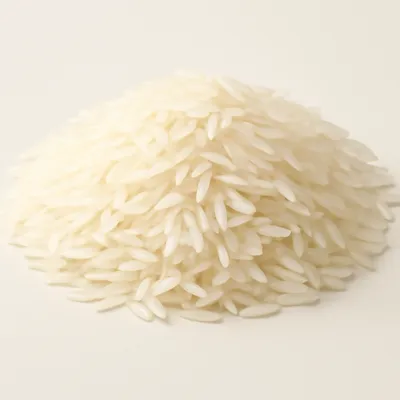
Steam the rice and let it cool slightly so the grains stay separate.
- 220 min
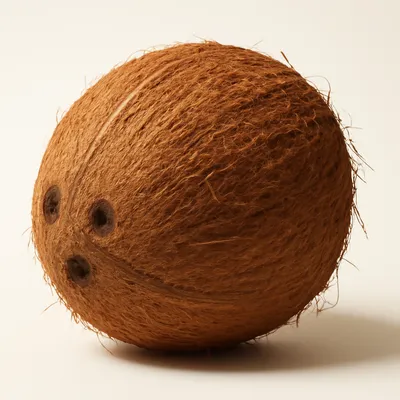
Make the serundeng: toast grated coconut slowly with finely chopped shallot, garlic, coriander and palm sugar until golden, dry and fragrant.
Watch outToast the serundeng slowly until golden, dry and loose — it's the engine of flavor, so don't let it clump damp or scorch dark.
- 310 min
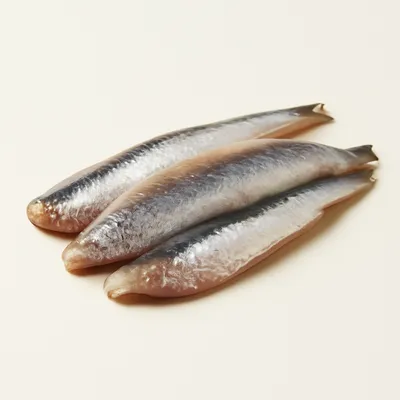
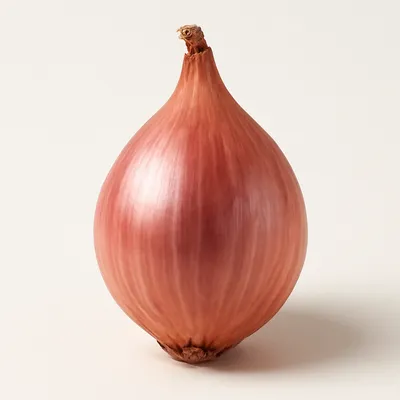
Fry small anchovies until crisp and fry shallots for garnish; set both aside.
- 45 min
Finely chop the kemangi and other fresh herbs.
- 55 min
Fold most of the serundeng, the chopped herbs and crushed peanuts through the warm rice until evenly coated.
Watch outFold it through warm rice just to coat every grain — this keeps the southern style dry, not wet like a wet-cooked rice.
- 65 min
Slice the dendeng and warm the semur gravy.
- 75 min
Plate the herbed rice and arrange the dendeng, semur, fried anchovies, cucumber and crackers around it.
- 83 min
Finish with the reserved serundeng and fried shallots, and serve with sambal on the side.


