An Arab-Indonesian spiced rice most at home among the Arab-descended Betawi of greater Jakarta. Goat or mutton is cooked into a stock, and the rice is then simmered in that stock with ghee and a load of warm spices — clove, cardamom, cumin, cinnamon, nutmeg — until each grain is fragrant and golden. The cooked meat is returned to the rice or served alongside, and the platter is often finished with fried shallots, raisins and pickles. Rich and aromatic, it is a festive dish brought out for Islamic celebrations rather than an everyday meal.




Nasi kebuli is an Indonesian member of the pilaf family, its name taken from kabuli palaw, the Afghan rice dish, and its character shaped by Hadhrami Arab, Yemeni and Indian cooking, with cousins in mandi, kabsa and biryani. Food writers connect it to the surge of Hadhrami Arab migration to Indonesia in the nineteenth century, when settlers from Yemen blended their rice traditions with local ingredients. It became established among Arab Indonesians, most prominently the Arab-descended Betawi of the Jakarta region, and is typically served at religious occasions such as Eid al-Fitr, Eid al-Adha and Mawlid. It is also found in other areas with Arab-Indonesian communities across Java.
This is rice with the volume turned up. The grains are golden and glossy with ghee, each one carrying a wave of warm spice — the sweet-resinous hit of clove and cardamom, the earthiness of cumin, the wood of cinnamon. The goat is tender and gamey-rich, the long cook having softened it into the spiced rice. Fried shallots add crisp savour, raisins drop in little bursts of sweetness, and the pickles and sambal cut through with sharp acidity. It is filling and indulgent, the sort of plate that anchors a celebration table.
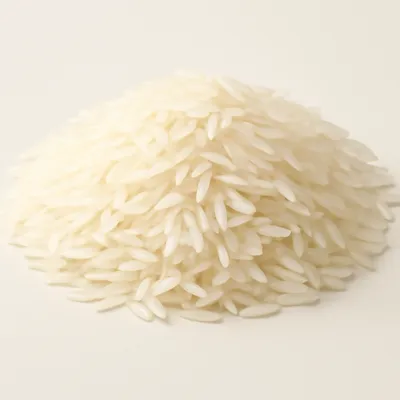
The dish is a pilaf, so the technique is about cooking the rice in flavoured liquid rather than plain water. First the goat is simmered into a rich, gelatin-laden stock; cooking the rice in that stock rather than water is what carries the meaty depth into every grain. The whole spices are bloomed in ghee at the start so their fat-soluble aromatics dissolve into the oil and coat the rice as it cooks. Ghee also keeps the grains separate and glossy. The rice is then cooked by absorption — simmered until it has drunk up the measured stock, sometimes finished gently covered so the steam evens out the cook and the grains stay distinct rather than turning to porridge.
Variations
Goat and mutton are traditional, but versions with beef and with chicken are common too. The exact spice blend shifts from cook to cook and household to household, leaning more Yemeni or more Indian depending on lineage. Garnishes vary — fried shallots are near-universal, while raisins, fried almonds, pickled vegetables and a side of acar are added to taste. In some Hadhrami-Indonesian homes it is served with maraq, a spiced goat or lamb soup of Arab origin. It belongs to the same broad family as nasi biryani and the Gulf's mandi and kabsa.
On the Palate
Where Nasi Kebuli sits in the Indonesian flavor cloud
Ingredients
Serves 6
How it's made
8 steps · 40 min
- 190 min
Simmer the goat with aromatics until tender, reserving the rich stock and the cooked meat separately.
Watch outSimmer the goat into a rich, gelatin-heavy stock — cooking the rice in that stock instead of water is what carries the meaty depth into every grain, so don't stint on the simmer.
- 25 min
Wash the rice and drain well.
- 35 min
Melt ghee in a heavy pot and bloom the whole spices — clove, cardamom, cumin, cinnamon, nutmeg — until fragrant.
- 45 min
Add chopped shallot, garlic and ginger and fry until soft and golden.
- 53 min
Stir in the drained rice and toss until coated in the spiced ghee.
- 65 min
Pour in the measured goat stock, season with salt, and bring to a simmer.
- 720 min
Cook by absorption until the stock is taken up, then cover and steam gently over low heat until the grains are tender and separate.
Watch outCook by absorption until the stock is drunk up, then cover and steam gently so the grains finish tender and separate — lift the lid too early and the top stays hard and uneven.
- 85 min
Fold the cooked goat through or arrange it on top, and finish with fried shallots, raisins and pickles.
Archive tool suggestions — not reviewed
These legacy suggestions have not been evidence-reviewed and are not presented as required tools.


