Javanese herbal tonic — turmeric, tamarind, ginger, palm sugar. Drunk daily for digestion and joints, sold from glass-bottle baskets.




Mataram-era Java, with continuity through the Yogyakarta and Solo court traditions. The herbal tradition itself was nurtured in the Yogyakarta and Solo courts, and the jamu gendong (basket-carrier) trade took shape around them by the early 1900s; women still walk routes at dawn.
Indonesia listed jamu on UNESCO's Intangible Cultural Heritage in December 2023. Mustika Ratu and Sido Muncul, founded 1978 and 1951 respectively, industrialized the formats but jamu gendong remains the gold standard.
Mustard-yellow when turmeric-heavy, brick-red when tamarind-led. Earthy, sour-sweet, with a raw ginger heat that builds in the throat. Often chased with a tiny cup of bitter beras kencur to cut the burn.
Fresh rhizomes — turmeric, ginger, galangal, kencur — are pounded raw, not boiled. The stone mortar bruises cells without denaturing curcumin or gingerol; tamarind's acid extracts the curcumin into the liquid. Boiling kills the medicine.
Variations
Kunyit asam (turmeric-tamarind, the women's-health version), beras kencur (rice-and-kencur, sweet and warming for kids), and pahitan (bitter herb mix from Madura, drunk for stamina). Each jamu gendong basket carries 5–8 bottles.
On the Palate
Where Jamu sits in the Indonesian flavor cloud
Ingredients
Serves 4How it's made
4 steps · 13 min active + 15 min waiting
- 110 min
Grate 100 g fresh turmeric and 50 g ginger; squeeze through cheesecloth to extract juice.
- 23 min
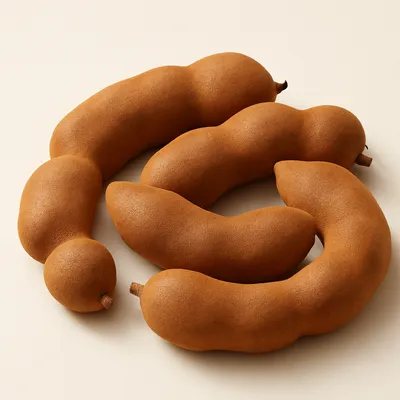
Combine juice with 60 g tamarind pulp and 80 g palm sugar in a pot.
Watch outAs you stir in the tamarind, watch the liquid flush a deeper orange-gold — the acid is pulling the curcumin out of the turmeric juice.
- 310 min
Add 500 ml water; bring to gentle simmer 10 min to dissolve sugar.
Watch outKeep it at a bare shivering simmer just to melt the sugar — let it boil and the fresh rhizome heat-cooks off, the whole point of the tonic is lost.
- 45 min
Strain into bottles; refrigerate. Drink chilled or at room temperature.