Nasi campur literally means mixed rice: a mound of steamed rice ringed with small portions of many things at once — a little braised or fried meat, a vegetable, an egg, fried tempe or tofu, a spoon of sambal, and a scatter of crackers or peanuts. There is no fixed recipe; it is a way of eating rather than a single dish, assembled to balance savoury, spicy, fresh, and crunchy on one plate. Found at warungs nasi campur everywhere, where a glass case of dishes lets the diner point and choose, it is among the most common everyday meals in Indonesia. The pan-national plate is distinct from the specific Balinese nasi campur Bali.
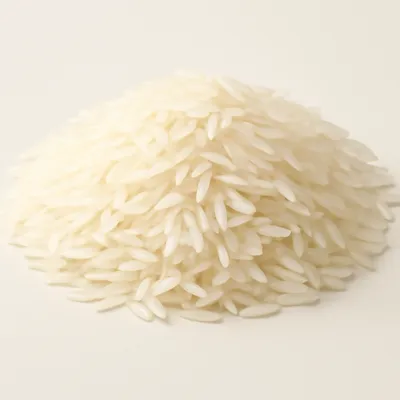





Nasi campur is a folk format rather than a dish with an inventor, and versions of mixed rice exist across Indonesia and the wider Malay world; the name simply describes rice served with an assortment of side dishes. It reflects a practical, communal way of eating built around a rice staple and many small lauk (accompaniments), which let a warung offer variety and let each diner build a balanced plate cheaply. Distinct regional identities have grown on the same idea — most famously the Balinese nasi campur Bali with its particular Balinese components, and the warteg-style mixed-rice plates of Java. No founding date applies; it is everyday eating crystallised into a recognisable plate.
The pleasure is in the variety on one plate. A forkful might catch sweet-savoury braised meat, then a tangle of spiced vegetable, a bite of nutty fried tempe, a fold of soft egg, all anchored by plain warm rice and lifted by a dab of fierce sambal. Crackers and fried shallots add crunch; a fresh cucumber slice cools the heat. No two mouthfuls need be the same, and the rice ties the disparate flavours together. It is satisfying precisely because it offers a little of everything, hot and soft and sharp and crisp at once.
Nasi campur works by contrast and balance rather than a single cooking technique. The plate is composed so that elements counterpoint one another: rich braised or fried protein against fresh raw vegetable, soft textures against crisp crackers and fried shallots, and a concentrated hit of chili sambal against the neutral rice that buffers and carries it. Because the components are cooked separately and only assembled at serving, each keeps its own texture and temperature — the sambal stays sharp, the crackers stay crunchy, the rice stays fluffy — which is exactly what would be lost if everything were cooked together. The rice is the canvas, both literally absorbing sauces and figuratively unifying the spread.
Variations
Regional and communal versions are endless: nasi campur Bali with Balinese sides and often pork, the Chinese-Indonesian nasi campur with char siu and other roast meats, Javanese warteg plates, and nasi rames as a near-synonym. Padang's hidang service is a related idea on a grander scale. The protein can be anything from rendang to fried chicken to fish; vegetarian plates lean on tempe, tofu, and vegetables. What stays constant is the format — rice plus an assortment of small accompaniments and sambal.
On the Palate
Where Nasi Campur sits in the Indonesian flavor cloud
Ingredients
Serves 2

How it's made
8 steps · 30 min active + 10 min waiting
- 112 min
Steam the rice until fluffy and keep it warm.
- 215 min
Prepare one braised or fried protein, such as sweet-soy chicken or beef.
- 38 min
Cook a vegetable side, such as sautéed long beans or a spiced vegetable.
- 48 min
Fry tempe and tofu until golden, and fry or boil an egg.
- 56 min
Pound a sambal from chili, garlic, shallot, tomato, and shrimp paste.
- 64 min
Slice fresh cucumber and prepare crackers, fried shallots, or peanuts.
- 73 min
Mound the rice on each plate and arrange small portions of each component around it.
Watch outCompose the plate only at serving so each part keeps its own texture and temperature — the sambal stays sharp, the crackers crunchy, the rice fluffy; mix ahead and it all goes soft.
- 81 min
Add a spoon of sambal and the crackers, and serve with a lime wedge.


