Manado-style grilled fish — whole fish (snapper, mackerel, or tilapia) scored, rubbed with a Minahasan rica-rica-style chili-citrus paste, grilled over coconut-charcoal until the skin is blistered-crispy and the flesh inside is just-cooked. Served with dabu-dabu sambal, kangkung tumis (water spinach stir-fry), and rice — the Manadonese seafood meal that defines beachside dining at Bunaken and Bitung.
Ikan Bakar Manado is the Manadonese take on Indonesia's national grilled-fish tradition, distinguished by: (1) rica-rica-style chili-forward paste (with kaffir lime + lemongrass + tomato), (2) coconut-charcoal grilling (vs hardwood elsewhere), (3) dabu-dabu sambal served alongside (raw chili-tomato-lime). The Manado fishing port of Bitung is one of Indonesia's largest tuna ports; the surrounding restaurants specialize in just-caught grilled fish. Seaside warungs at Bunaken (the famous diving destination) serve grilled tuna, snapper, and grouper to tourists by the sea. Modern Indonesian-American restaurants struggle to recreate this because fresh fish quality + coconut charcoal + Indonesian volcanic-region herbs are difficult to assemble elsewhere.
Ikan Bakar Manado is grilling at its best — char-crispy fish skin, just-cooked flesh, deeply seasoned through the score cuts. The first bite of skin is smoky-spicy-salty crackle; the flesh underneath is moist and infused with the rica paste's complex aromatics. Spoon a generous portion of dabu-dabu over (raw chili-tomato-lime makes the dish sing). Take a bite of rice + fish + sambal: the cool sambal cuts through the rich grilled fish, the citrus lifts the smoke, the chili rebuilds on the previous chili. A piece of lime in the corner of your mouth keeps your palate awake. This is what Manadonese seafood means.
Score cuts perform two functions: (1) they allow the rica paste to penetrate the flesh deeply (without scoring, the marinade only flavors the surface), (2) they create more surface area for char during grilling, enhancing the Maillard-developed crust. The fish is cooked from the bone outward — the bone heats first, then conducts heat into the flesh evenly. Coconut charcoal burns hotter than wood and produces less smoke than hardwood, allowing the rica paste's aromatics to remain intact (heavy smoke would mask them). Pre-sautéing the paste before applying mellows the raw chili harshness; it also helps the paste adhere better to the fish skin.
Variations
Manado canonical (snapper + rica-bakar paste + dabu-dabu); 'Ikan Bakar Bunaken' (tourist seaside version, may use tuna or grouper); 'Ikan Bakar Belah Punggung' (back-split style, with paste rubbed into the spine); 'Ikan Bakar Bumbu Padang' (Padang-style paste — different from Manado); modern Indonesian-American versions sometimes adapt for oven-grill (broiler) — workable but less smoky; vegan substitute: grilled tofu steaks with the same rica-bakar paste (Manadonese vegans actually do this).
On the Palate
Where Ikan Bakar Manado sits in the Indonesian flavor cloud
Ingredients
Serves 4








How it's made
9 steps · 30 min active + 30 min waiting
- 15 min
Prep fish: scale and gut 2 whole snapper (or other firm white fish, ~600-700g each). Make 3 diagonal score cuts on each side, about 1cm deep, going from the head toward the tail.
Watch outCut the scores about a finger deep, head-to-tail — they let the paste reach the flesh and give the skin more edges to char.
- 217 min
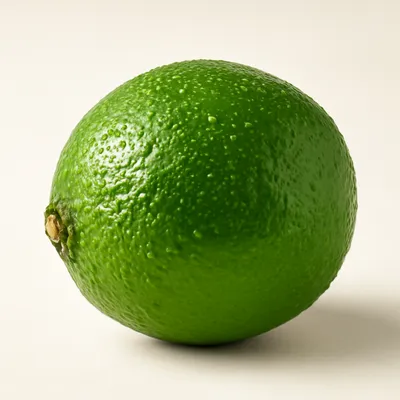
Rub the fish inside and out with: 1 tsp salt + juice of 1 lime + 1 tsp turmeric powder. Let stand 15 min while making the paste.
- 35 min
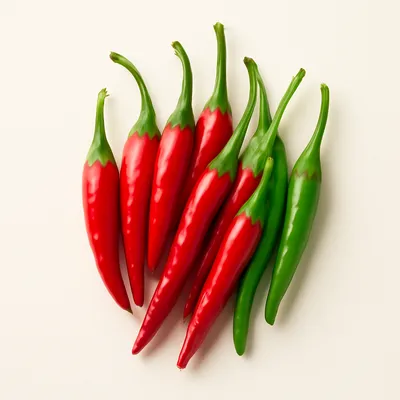
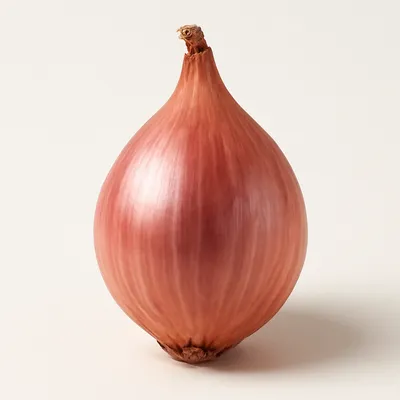
Make rica-bakar paste: in a mortar or blender combine 8 bird's eye chilies + 4 large red chilies + 4 shallots + 4 garlic cloves + 3cm fresh ginger + 2cm fresh turmeric + 1 tsp coriander seeds + 1 tsp salt + 1 tbsp palm sugar + juice of 1 lime. Pound to a thick paste.
- 411 min
Heat 2 tbsp coconut oil in a small pan; sauté the paste 6 min until fragrant and oil separates. Cool 5 min.
Watch outFry the paste until it smells fragrant and the oil separates and pools at the edges — that's the raw chili tamed and the flavor set.
- 54 min
Rub half the paste inside the cavity of each fish; rub the rest onto the outside, working into the score cuts. Place 2 stalks lemongrass + 4 kaffir lime leaves + 2 sliced shallots inside each cavity.
- 68 min
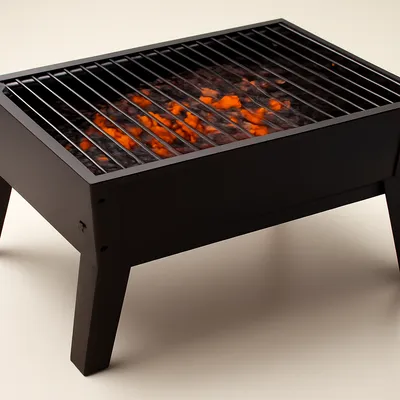
Heat a charcoal grill (coconut charcoal preferred) to medium-high heat — about 200°C surface. Brush the grate with oil.
- 720 min
Grill the fish: place fish on the grate; grill 8-10 min per side, brushing periodically with remaining paste + 1 tbsp coconut oil. The skin should blister and crisp; the flesh should just flake when tested with a fork.
Watch outThe fish is done when the skin blisters and crisps and the flesh just flakes at a fork's nudge — go further and it dries out.
- 812 min
Make dabu-dabu sambal (raw): finely dice 4 shallots + 3 bird's eye chilies + 2 large red chilies + 2 tomatoes + 1 stalk green onion. Mix with 2 tbsp lime juice + 1 tbsp coconut oil + 1/2 tsp salt + 1/2 tsp sugar. Let stand 10 min.
- 93 min
Serve: place fish on a banana-leaf-lined platter. Garnish with lime wedges + sliced green onion. Serve with dabu-dabu sambal in a small bowl + steamed white rice + kangkung tumis (water spinach stir-fried with garlic + chili) + lalapan vegetables.
Archive tool suggestions — not reviewed
These legacy suggestions have not been evidence-reviewed and are not presented as required tools.