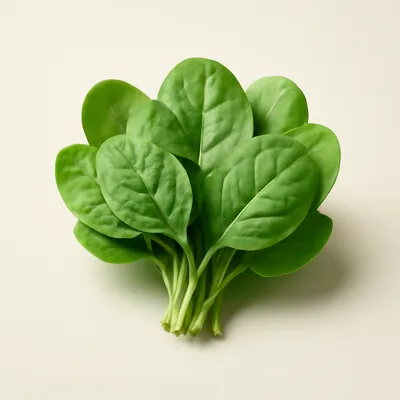
A Javanese plate of blanched vegetables dressed in a thick, spicy peanut sauce scented with kencur (aromatic ginger). Spinach, bean sprouts, long beans, and tender cassava leaf are briefly cooked, drained, and heaped onto a plate, then doused in the warm sauce just before eating. It is served with rice and crackers, and often a slab of fried tempeh on the side. Madiun and Blitar in East Java are its heartland, and pecel sellers there grind the sauce fresh to order.



Pecel is closely tied to East Java, with Madiun and Blitar regarded as its strongholds, though versions are eaten across Central and East Java. It belongs to the wider family of Indonesian vegetable-and-peanut-sauce dishes that also includes gado-gado and karedok; what sets pecel apart is the kencur in the sauce and the use of cooked rather than raw vegetables. The dish is everyday warung and market food rather than a courtly creation, and no single inventor or founding date is recorded; its name simply refers to the act of pressing or mashing the sauce ingredients.
The sauce is the whole point — thick enough to cling, sweet and savory with a slow chili burn, and unmistakably lifted by the cool, camphor-like fragrance of kencur that distinguishes pecel from any other peanut sauce. The vegetables underneath stay slightly crisp and faintly bitter, especially the cassava leaf, which plays against the rich dressing. Crackers shatter into the mix for crunch. Eaten over warm rice, it is homely, fragrant, and quietly addictive.
Blanching is timed per vegetable so each keeps its color and a little bite: sprouts and spinach need only seconds, long beans and cassava leaf a little longer. The sauce is an emulsion — ground roasted peanuts supply both fat and solids, and pounding them with kencur, garlic, chili, tamarind, and palm sugar disperses the oil into a stable, spoonable paste rather than a greasy slick. Tamarind's acidity and the palm sugar balance the richness, while kencur's volatile oils give the signature aroma and are added raw so they are not cooked off.
Variations
Pecel Madiun is the best-known regional style, often sold with rice as 'nasi pecel' and a fried tempeh or rempeyek peanut cracker; Pecel Blitar and Pecel Kediri are close cousins. Garnishes vary with the season and the seller — banana blossom, water spinach, papaya leaf, and turi flowers all appear. Some stalls grind the sauce around a fragment of fried tempeh or terasi for extra depth, and the heat can be dialled from mild to fierce.
On the Palate
Where Pecel sits in the Indonesian flavor cloud
Ingredients
Serves 4


How it's made
8 steps · 25 min active + 10 min waiting
- 18 min
Trim and cut the long beans, pick over the spinach and cassava leaf, and rinse the bean sprouts.
- 28 min
Blanch each vegetable separately in boiling salted water just until tender-crisp, then drain well.
Watch outBlanch each vegetable separately just to tender-crisp — sprouts need only seconds, beans a little longer; over-blanch and they go drab and limp.
- 35 min
Dry-roast the peanuts until golden and fragrant, then grind them coarsely.
- 44 min
Pound garlic, red chili, and kencur into a paste, then work in the ground peanuts.
- 53 min
Season the paste with tamarind, palm sugar, and salt, pounding to a thick, smooth sauce.
Watch outPound the peanuts and aromatics into a thick, smooth sauce so the oil disperses evenly — a proper grind gives a spoonable paste, not a greasy slick.
- 62 min
Loosen the sauce with a little warm water to a thick but pourable consistency.
Watch outLoosen with warm water only to thick-but-pourable — too thin and it slides off the vegetables instead of coating them.
- 72 min
Arrange the drained vegetables on a plate and spoon the warm peanut sauce over the top.
- 81 min
Serve with rice and crackers, adding fried tempeh alongside if you like.


