A fried savory turnover with a crimped, rope-twisted edge, filled with a sauteed mixture of glass noodles, diced carrot and potato, often with shredded chicken and a slice of hard-boiled egg. The pastry is a tender, flaky dough that fries up crisp and lightly blistered. A descendant of the European filled pastry tradition brought through Portuguese and Dutch contact, it became a staple of the Indonesian snack box and teatime spread, sold alongside risoles and other gorengan. The braided seal along the curved edge is its signature.




Pastel belongs to the worldwide family of filled, folded pastries — kin to the empanada and the curry puff — and its name and form trace to the pastel/pastei brought into the archipelago through Portuguese and Dutch contact. Indonesian cooks adapted it with local fillings of glass noodles and vegetables and made it a fixture of home baking and the catered snack box. As a long-naturalized snack it carries no single founding date; its European pastry lineage and its thorough localization are both well established.
The shell is thin, crisp and lightly flaky, crackling at the twisted edge where the dough is doubled, then giving way to a savory, gently seasoned filling. Slippery glass noodles, soft carrot and potato and tender chicken make for a mild, comforting bite, with the egg adding richness. Eaten with a whole bird's-eye chili nipped between mouthfuls, the heat lifts the whole thing. It is best warm, when the pastry is at its crispest.
Rubbing fat into the flour before adding liquid coats the flour and limits gluten, while a little oil or margarine worked through creates layers that puff and flake in the oil — the pastry is tender rather than hard. The filling is cooked and cooled before wrapping so it is dry enough not to make the pastry soggy and holds together when sealed. The twisted, crimped edge locks the parcel shut so no oil seeps in during frying. Frying at a moderate heat colors and crisps the shell while cooking the dough through.
Variations
The classic filling is glass noodles with carrot, potato, chicken and egg, but versions range from a simpler vegetable filling to richer ones with minced beef. The deep-fried form is the everyday one; a baked version exists, and a tiny, extra-crisp cocktail size called pastel kering is eaten as a crunchy nibble. Some cooks fold in a curry-spiced filling, blurring the line with the curry puff it resembles.
On the Palate
Where Pastel Goreng sits in the Indonesian flavor cloud
Ingredients
Serves 8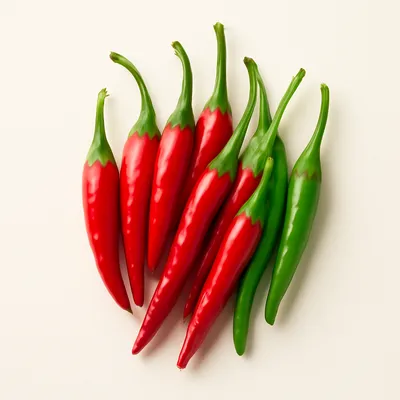
How it's made
8 steps · 50 min
- 115 min
Rub fat into flour with salt, then add cold water and a little oil to form a smooth dough; rest it.
Watch outRub the fat into the flour before the water goes in — coating the flour limits gluten so the pastry fries up tender and flaky, not hard.
- 210 min
Soak glass noodles until soft and cut into short lengths.
- 312 min
Saute garlic, carrot, potato and shredded chicken, then add the noodles and season; cool the filling.
- 48 min
Roll the dough thin and cut into rounds.
- 510 min
Spoon filling onto each round with a slice of boiled egg, fold over and seal.
- 68 min
Crimp the curved edge into a twisted rope to lock it shut.
- 710 min
Deep-fry in moderately hot oil until golden and crisp; drain on paper.
Watch outFry in moderately hot oil until golden and crisp — too hot and the shell browns before the dough cooks through; the crimped edge must be sealed tight or oil seeps in.
- 82 min
Serve warm with whole bird's-eye chilies.


