A rich Acehnese goat curry, dense with the warm dry spices that mark Aceh's Indian- and Arab-inflected cooking — coriander, cumin, cardamom, star anise and cinnamon — simmered with goat, chili and coconut milk until the meat is tender and the gravy thick and deeply aromatic. Heartier and more spice-forward than a southern gulai, it is a centerpiece dish at kenduri, the communal feasts that mark Acehnese weddings, religious holidays and other celebrations.


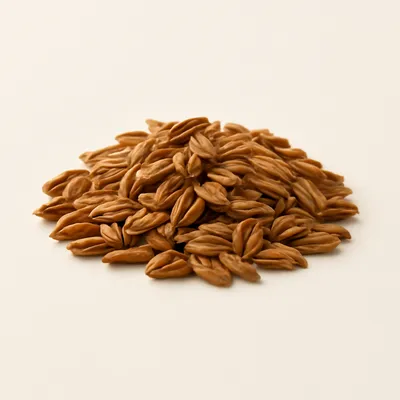
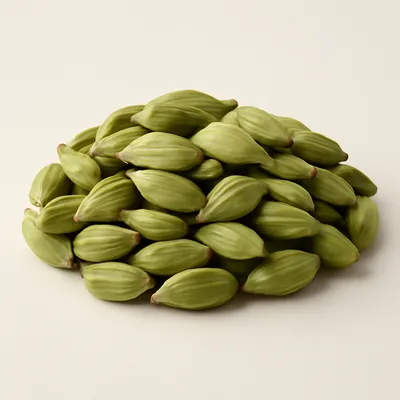
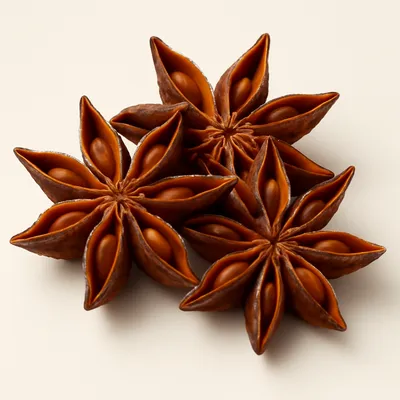
Goat and mutton curries are central to Acehnese feasting, and Aceh's heavy use of warm dry spices reflects its long history as a Muslim sultanate and spice-trading hub with deep ties to South Asia and the Middle East. Kari kambing is cooked in large pots at kenduri, where shared cooking and eating are part of the occasion. The dish belongs to the same broad family as Indian and Malay mutton curries adapted to local ingredients and tastes; its precise local history is not securely documented beyond this shared trading and culinary heritage.
Thick, golden-brown gravy clings to chunks of goat that pull cleanly from the bone. The flavor is layered and warming: toasted coriander and cumin up front, the perfume of cardamom and star anise behind them, then coconut richness and a slow, steady chili heat. The goat tastes deep and faintly gamey in the best way, and the gravy is concentrated enough to scoop straight over rice or roti.
Goat is a tough, lean meat full of connective tissue, so long, gentle simmering is essential — heat slowly converts its collagen into gelatin, which is what turns the meat fall-apart tender and gives the gravy its body. The heavy hand of whole dry spices is bloomed in oil or in the frying of the spice paste, releasing their fat-soluble aromatic compounds, and coconut milk both rounds out the spice and, with its fat, carries those aromas. Reducing the sauce slowly concentrates flavor while keeping the coconut milk emulsified rather than split.
Variations
Some cooks use bone-in goat or include offal for a richer pot; the spice blend shifts toward more cardamom and cinnamon in some households and more chili in others. A closely related Acehnese dish is gulee kambing, and the same approach is used for beef. Kari kambing is typically served with white rice or roti cane.
On the Palate
Where Kari Kambing Aceh sits in the Indonesian flavor cloud
Ingredients
Serves 6


How it's made
8 steps · 2 hours
- 120 min
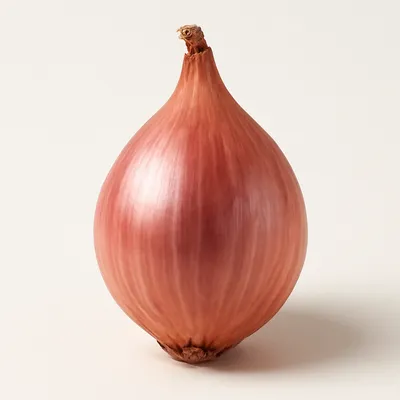
Toast coriander, cumin, cardamom, star anise and cinnamon, then grind with shallots, garlic, ginger, turmeric and chili into a spice paste
- 210 min
Cut the goat into chunks, on the bone if preferred
- 36 min
Fry the spice paste in oil until fragrant and the oil begins to separate
Watch outFry the spice paste until it smells fragrant and the oil begins to separate out — that split of oil is the sign the paste is cooked and its aromas released.
- 44 min
Add the goat and stir to coat it well in the paste
- 540 min
Add water, bring to a simmer and cook gently until the goat starts to soften
- 630 min
Pour in coconut milk and continue simmering, stirring gently so it does not split
Watch outSimmer the coconut milk gently, stirring, so it doesn't split — a hard boil breaks the emulsion and the gravy turns oily and grainy instead of smooth.
- 720 min
Cook until the goat is fall-apart tender and the gravy is thick, seasoning with salt
Watch outCook until the goat pulls from the bone and the gravy thickens — long, gentle heat is what turns the tough, lean meat tender.
- 85 min
Rest briefly and serve hot with white rice or roti
