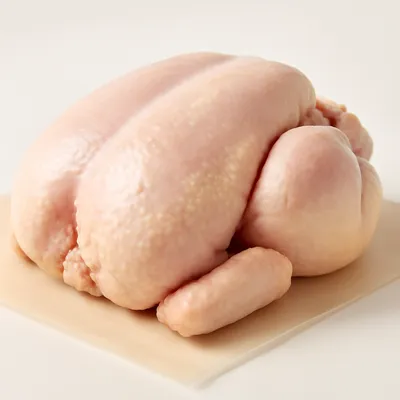
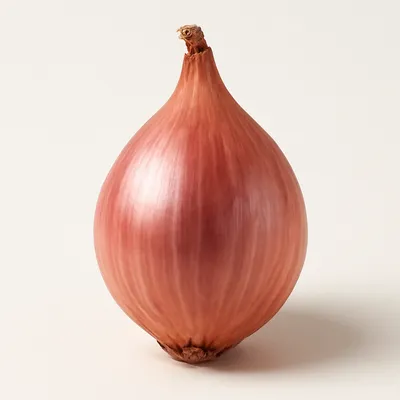
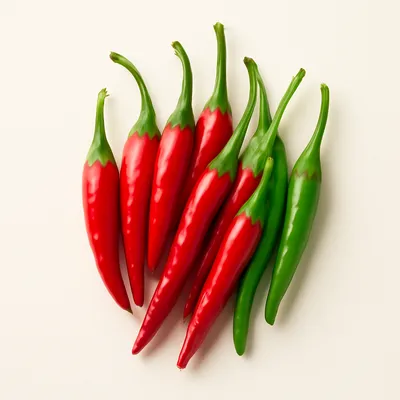
Chicken cooked inside banana-leaf parcels in a sour-spicy broth sharpened with tamarind and slices of starfruit, with tomato, shallots, chili, and galangal. Each portion is wrapped, pinned, and steamed so the chicken poaches in its own fragrant liquid and the leaf perfumes the broth. The result is a soupy, tangy parcel opened at the table over hot rice. It is a Central Java dish, with Kudus, Semarang, and Solo all claiming distinctive versions.



Garang asem is a Central Javanese dish, with the towns of Kudus, Pati, Semarang, and Solo each known for their own renditions. The name pairs a word for a fierce or bold seasoning with 'asem', sour, describing the tamarind-and-starfruit tang at its core. The banana-leaf steaming links it to Java's broad family of pepes and bothok parcel cookery, while the soupy interior sets it apart from drier wrapped dishes. It is home and warung cooking with no recorded founder, best treated as a regional Central Javanese tradition.
Opening the parcel releases a burst of fragrant steam — sour, savory, and gently hot all at once. The broth that has pooled inside is bright with tamarind and starfruit, rounded by tomato, with a clean chili warmth that builds rather than blasts. The chicken is poached-tender and has soaked up the souring liquid, and the banana leaf leaves a faint grassy-smoky note behind. Spooned with its broth over rice, it is light, lively, and refreshing in a way fried chicken dishes are not.
Wrapping and steaming makes the leaf a sealed vessel: the chicken effectively poaches in its own released juices plus the seasonings, so the meat stays moist and the broth captures every volatile aroma instead of letting it escape into open air. Tamarind and unripe starfruit supply organic acids that both season and tenderize, their sourness staying sharp because the contents never boil down. Heating the banana leaf relaxes its fibers and transfers grassy, faintly smoky aromatic compounds into the broth. Because the spices go in raw and steam gently, the dish keeps a fresh rather than deep-fried character.
Variations
Garang asem ayam is the standard chicken version; garang asem can also be made with offal, fish, or beef. Kudus is famous for a version sometimes finished with a splash of coconut milk for a richer broth, while many cooks keep it clear and purely sour-spicy. Belimbing wuluh, a small intensely sour starfruit, is the classic souring agent where available, with tamarind standing in elsewhere; the chili count and whether the parcel is steamed or simmered both vary by household.
On the Palate
Where Garang Asem sits in the Indonesian flavor cloud
Ingredients
Serves 4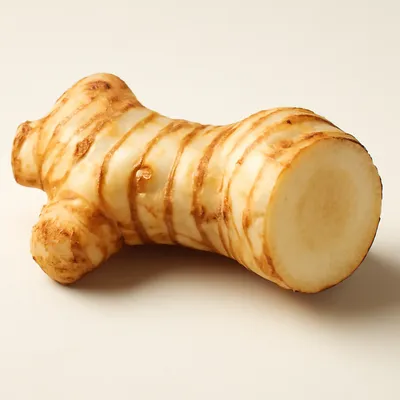



How it's made
8 steps · 30 min active + 40 min waiting
- 16 min
Cut the chicken into small bone-in pieces and season lightly with salt.
- 26 min
Slice the shallots, chili, tomato, and starfruit, and bruise the galangal and lemongrass.
- 34 min
Soften the banana leaves briefly over a flame or in hot water so they fold without cracking.
Watch outWarm the banana leaves until they fold without cracking — a brittle leaf splits and lets the precious steamed juices leak out.
- 45 min
Pile chicken and the sliced aromatics onto each leaf, spooning over tamarind water.
- 54 min
Fold the leaves into parcels and pin them closed with toothpicks.
- 630 min
Steam the parcels over rapidly boiling water until the chicken is cooked through, about 30 minutes.
Watch outSteam the sealed parcels until the chicken cooks through — inside the leaf it poaches in its own juices, so the meat stays moist and every aroma is trapped.
- 74 min
Rest the parcels a few minutes off the heat so the broth settles.
- 82 min
Open the parcels at the table and serve over hot rice.
Archive tool suggestions — not reviewed
These legacy suggestions have not been evidence-reviewed and are not presented as required tools.

