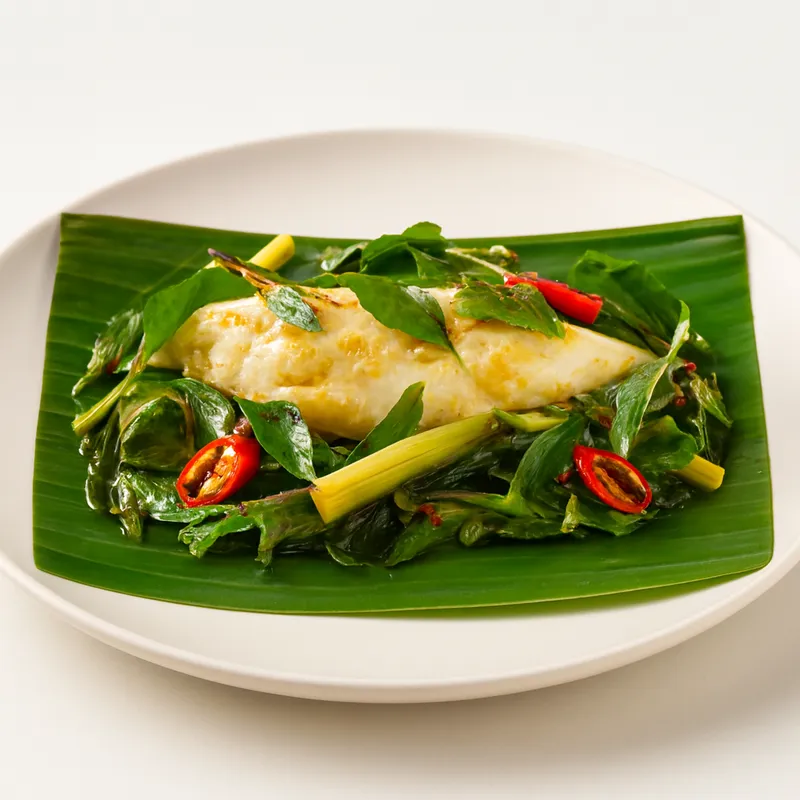
Es campur is Indonesia's freewheeling shaved-ice dessert, its name meaning simply "mixed ice." A bowl or glass is loaded with whatever sweet bits the vendor has on hand — cubes of grass jelly and agar, soft red beans, slippery palm-seed kolang-kaling, chunks of avocado, jackfruit and young coconut — then buried under shaved ice, drenched in rose or pandan syrup, and finished with a swirl of sweetened condensed milk. Eaten with a spoon as the ice melts, it is part fruit salad, part drink, and entirely a hot-afternoon ritual.


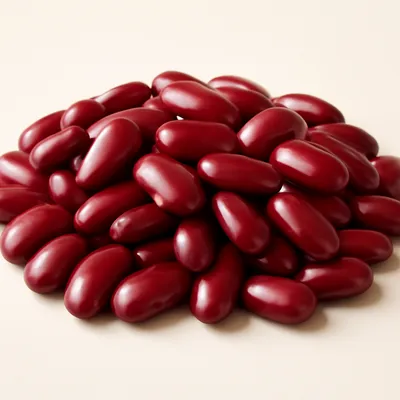
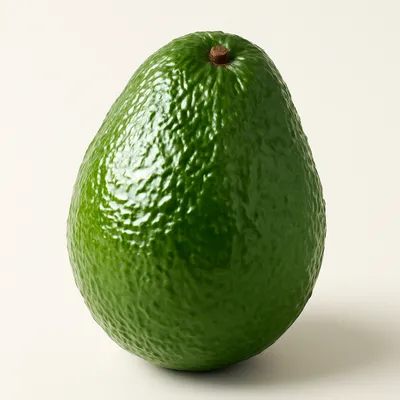
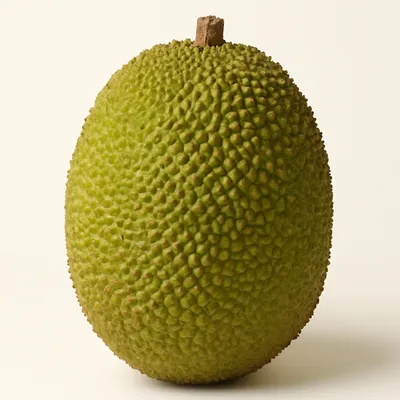
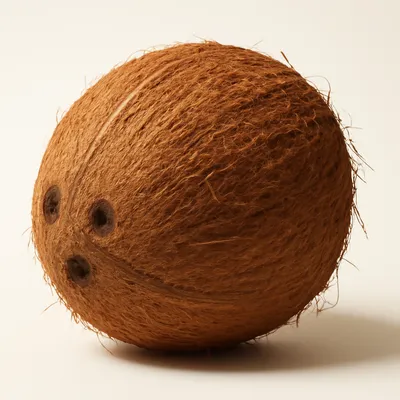
Shaved-ice sweets spread across maritime Southeast Asia after mechanical ice and condensed milk arrived in the colonial port cities of the late nineteenth and early twentieth centuries; es campur belongs to this family alongside es teler and the Filipino halo-halo. Rather than a fixed recipe it is a vendor's improvisation, and no single inventor or origin date is recorded. Across Java, Sumatra and beyond every cart mixes its own roster of jellies, beans and fruit, so the dish is best understood as a national template rather than a regional specialty.
Crushed ice melts cold and grainy on the tongue while the syrup turns it sweet and faintly floral. Grass jelly and agar are bouncy and cool, red beans soft and earthy, kolang-kaling chewy, and ripe avocado and jackfruit lend buttery and honeyed bites between them. The condensed milk pulls the whole jumble together into something rich and creamy.
There is no cooking to speak of beyond preparing the components — agar and grass jelly are set firm so they hold their shape against melting ice, beans and palm seeds simmered soft and sweet ahead of time. Shaving rather than crushing the ice gives a fine, snow-like texture that chills the fruit fast and absorbs the syrup, while the condensed milk's high sugar and fat coat everything and slow the melt just enough to eat.
Variations
Es campur changes with whatever a vendor stocks: some add cendol jelly worms, cincau, tapioca pearls or nata de coco; coastal versions lean on young coconut, hill towns on avocado and jackfruit. A scoop of ice cream turns it into es campur spesial, and durian-rich bowls overlap with es teler.
On the Palate
Where Es Campur sits in the Indonesian flavor cloud
Ingredients
Serves 4
How it's made
8 steps · 25 min active + 5 min waiting
- 18 min
Cook agar-agar with water and a little sugar, pour into a tray to set, then cut into small cubes; do the same with store-bought grass jelly.
Watch outSet the agar firm enough to hold its shape — it has to stay in clean cubes against the melting ice, not soften into mush.
- 212 min
Simmer red beans with water until soft, sweeten with a spoon of palm sugar, and let cool.
- 310 min
Boil kolang-kaling palm seeds until tender, then cool.
- 45 min
Make a syrup by dissolving sugar in water with pandan leaf or a dash of rose syrup; chill it.
- 55 min
Dice ripe avocado, jackfruit and young coconut into bite-size pieces.
- 63 min
Divide the jellies, beans, palm seeds and fruit among bowls or tall glasses.
- 72 min
Pile shaved ice over the top until heaped.
Watch outShave the ice fine and snowy rather than crushing it — fine flakes chill the fruit fast and soak up the syrup, which coarse chips can't.
- 82 min
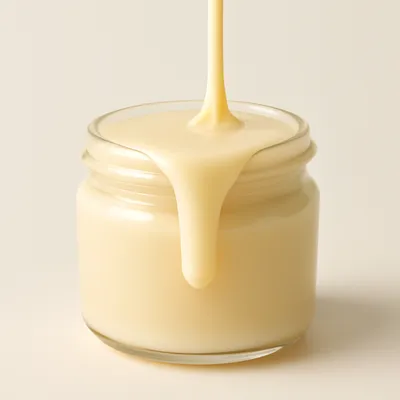
Pour over the chilled syrup, finish with a generous swirl of sweetened condensed milk, and serve at once with a spoon.
Archive tool suggestions — not reviewed
These legacy suggestions have not been evidence-reviewed and are not presented as required tools.