A western-Mekong-Delta dish of thick, short rice noodles shaped like silkworms, served warm under shredded pork skin tossed with toasted rice powder. What makes it distinctive is the warm coconut cream spooned over the top, before fish-sauce dressing, pickled vegetables, and herbs are added. The result sits between a noodle salad and a rice plate — savory pork, sweet coconut, and the chew of hand-rolled noodles.




Banh tam bi belongs to the cooking of the western Mekong Delta — the Can Tho and surrounding mien Tay region — where Vietnamese, Khmer, and Chinese (Hoa) foodways have long mingled. The thick rolled noodles and the use of bi (shredded pork skin with toasted rice powder) are Vietnamese, while the heavy use of coconut cream as a savory topping reflects the Khmer-influenced southern delta palate, which leans sweeter and richer than the rest of the country. It has no fixed inventor and is documented as a regional delta specialty rather than a dated dish; the name banh tam refers to the silkworm-like shape of the noodles.
The noodles are the point — short, fat, rolled by hand so they vary slightly in thickness and keep a dense, springy chew that thin vermicelli can't match. The bi is fine shreds of pork skin and lean pork dusted with toasted rice powder, which adds a faint nutty grit. Over it all goes warm, salted coconut cream — not sweet dessert coconut but a savory pour that coats the noodles and rounds the fish-sauce dressing. Pickled carrot and herbs cut the richness. Each forkful is chewy, creamy, and savory at once.
Two contrasts make the bowl work. The toasted rice powder (thinh) on the pork skin is roasted raw rice ground fine; it absorbs surface moisture from the bi and lends a dry, nutty texture against the slick noodles. The coconut cream is cooked with a little salt and starch so it thickens to a clinging sauce rather than a thin milk — this savory coconut pour is what marks the western-delta style, and it must stay barely sweet or the dish tips into dessert. The hand-rolled noodles are made thick on purpose so they hold their chew under the warm cream.
Variations
The classic mien Tay version pairs the noodles with bi and savory coconut cream; some cooks add grilled pork (thit nuong), a meatball, or a spring roll to make it a fuller plate. A sweet dessert cousin, banh tam ngot, uses the same silkworm noodles with sweet coconut and is unrelated as a meal. Stalls vary in how heavily they pour the coconut — Can Tho versions tend to be the richest.
On the Palate
Where Banh Tam Bi sits in the Vietnamese flavor cloud
Ingredients
Serves 4

How it's made
6 steps · 50 min active + 25 min waiting
- 120 min
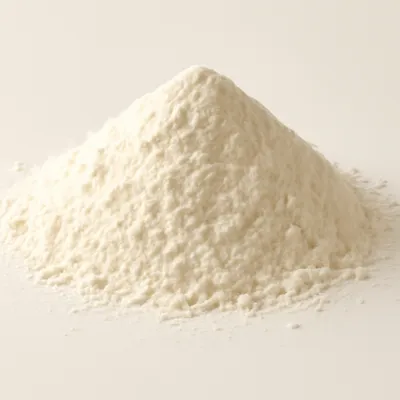
Make a thick rice-flour and tapioca dough, then roll it by hand into short, fat silkworm-shaped noodles.
- 210 min
Boil the noodles until set, then rinse and toss with a little oil so they don't stick.
- 318 min
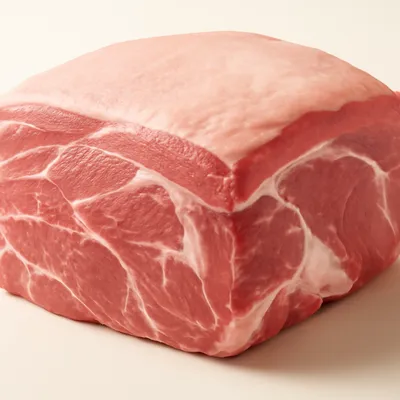
Boil pork skin and lean pork, slice into fine shreds, and toss with toasted ground rice powder.
- 48 min
Cook coconut cream with salt and a little starch until it thickens into a savory, clinging sauce.
Watch outCook the coconut cream with salt to a savory, clinging sauce and keep it barely sweet — too much sweetness tips this whole bowl into dessert.
- 56 min
Mix a fish-sauce dressing with lime, sugar, garlic, and chili; prepare pickled carrot and herbs.
- 63 min
Plate the warm noodles, top with the bi, spoon over the warm coconut cream, then add dressing, pickles, and herbs.
Archive tool suggestions — not reviewed
These legacy suggestions have not been evidence-reviewed and are not presented as required tools.


