Hải Phòng's miniature spicy bánh mì — a crisp baguette no thicker than two fingers, filled simply with a smear of liver pâté and a streak of fermented chili sauce. Where the famous Saigon sandwich piles in cold cuts, pickles, and herbs, this northern version strips the idea down to bread, pâté, and heat. They are sold by the bundle, eaten by the handful, and crisped over charcoal to order.





The spicy bánh mì is a Hải Phòng institution that rose to wide fame in the 1980s, with the city tracing its roots to a small shop in the Khánh Lạp lane area near Kênh Row in the old town. Several long-running families say they have sold it for decades, one claiming nearly forty years back to the founder's grandmother, though no single inventor is firmly documented. It is inseparable from a local fermented chili condiment called chí chương — chilies, ripe tomatoes, and garlic ground together and left to ferment — which gives the bread its name (cay means spicy) and its particular sour, building heat.
Pick one up still warm from the charcoal: the crust crackles and sheds shards, the crumb inside almost hollow. The pâté is soft, livery, and rich, and then the chí chương arrives — sour and garlicky first, with a slow chili burn that climbs as you keep eating. There are no pickles or herbs to soften it, so the pleasure is in the contrast of brittle bread, fatty pâté, and that creeping heat. One is a bite; people order four or five at a sitting.
Two elements do all the work. The bread is the Vietnamese baguette in miniature — a high proportion of rice flour in the dough keeps the crumb light and the crust shatter-crisp, and a final toast over charcoal drives off moisture so it crackles rather than bends. The pâté is the other anchor: pork liver and lean pork ground with boiled, sliced pork skin for body, seasoned and then steamed for hours so it sets dense and spreadable. The chí chương is the engine of the heat, and because it is fermented rather than fresh, the chili reads round and sour instead of raw and sharp.
Variations
The plainest and most orthodox version is just pâté and chí chương, and purists insist that is the whole point. Some stalls now add a sprinkle of dried pork floss, a few slices of sausage, or extra chili oil for those who want more, and the diner controls the heat by how much chí chương is brushed on. Outside Hải Phòng the fermented chili sauce is rarely made well, which is why locals say a real spicy bánh mì can only be had in the city.
On the Palate
Where Banh Mi Cay sits in the Vietnamese flavor cloud
Ingredients
Serves 4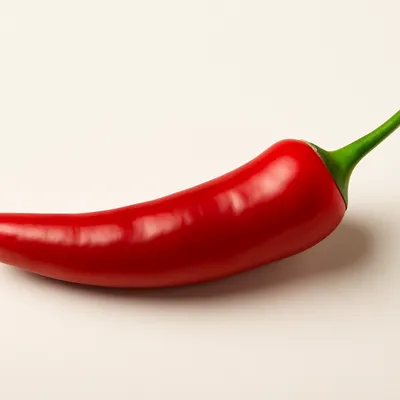
How it's made
8 steps · 20 min active + 5 min waiting
- 110 min
Make the chí chương ahead: grind chilies, ripe tomatoes, and garlic, season, and leave to ferment until sour and mellow.
- 28 min
Steam the pâté: blend pork liver and lean pork with boiled sliced pork skin and seasoning, then steam in a mold for several hours until set; cool.
- 32 min
Choose slim baguettes about two fingers wide, or shape and bake a rice-flour dough into thin rolls.
- 43 min
Toast the baguettes over charcoal until the crust crackles.
Watch outToast the baguette over the coals until the crust actually crackles — that's the moisture driven off; a bendy crust means it'll go soft under the pâté.
- 51 min
Split each lengthwise without cutting all the way through.
- 61 min
Spread a layer of pâté inside.
- 71 min
Streak fermented chili sauce over the pâté to taste.
Watch outStreak the fermented chili on to taste — because it's fermented it reads round and sour, so a little carries real heat without a raw sharp bite.
- 81 min
Serve immediately, in a bundle, while the crust is still crisp.
Archive tool suggestions — not reviewed
These legacy suggestions have not been evidence-reviewed and are not presented as required tools.