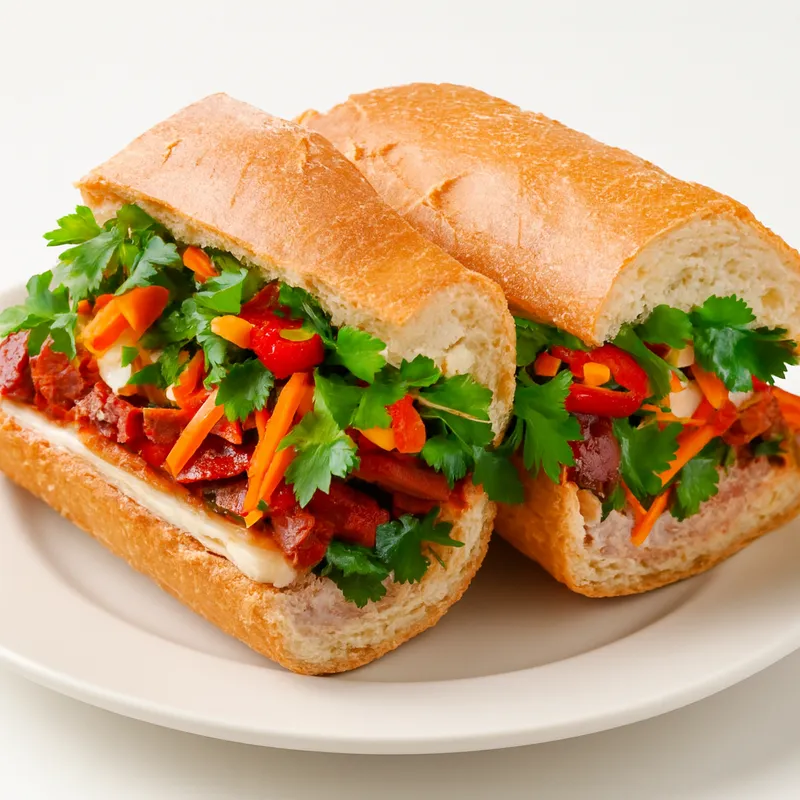
A fermented pork specialty of central Vietnam, particularly Hue and Binh Dinh, made from thinly shredded boiled pork skin and pig's ear tossed with toasted ground rice, galangal, garlic, and chili. The mixture is packed tight, bundled in guava or fig leaves, then wrapped in straw or banana leaf and left to ferment for a day or two until it turns pleasantly sour. It is untied and eaten as a tangy, crunchy nibble, often with drinks.


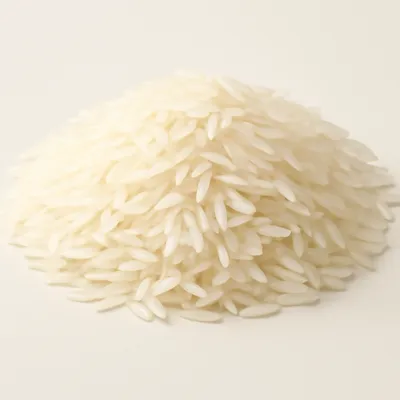
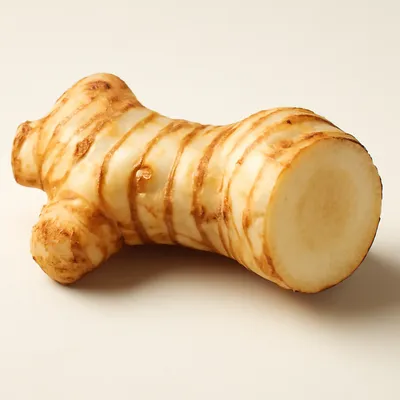

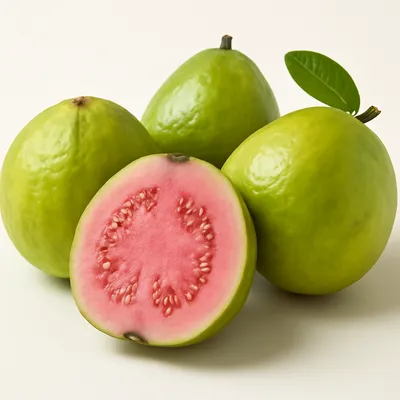
Tre is a long-standing fermented snack of the central Vietnamese provinces, with Hue and Binh Dinh both claiming well-known versions. It belongs to the same broad family of Vietnamese cured-pork foods as nem chua, but is made and eaten differently: where nem chua is a smooth fermented minced-pork paste, tre is a coarse, crunchy mix built on shredded pork skin and ear bound with roasted rice powder and aromatics. The straw-and-leaf bundle is its signature form, traditionally hung up to ferment at room temperature.
Untie the bundle and the strands spring apart, crunchy and a little chewy from the skin and ear, dry to the touch rather than wet. The taste is sour first from the ferment, then garlicky and warm with galangal, with chili heat behind it and the toasted rice powder lending a faint nuttiness and grip. It is eaten by the pinch, often rolled in a fresh leaf or paired with sliced garlic, chili, and a splash of dipping sauce, and the sourness makes it a natural partner to beer or rice spirit.
Fermentation does the work, and it depends on packing and warmth. The shredded skin and ear are mixed with toasted rice powder, which absorbs surface moisture and helps the bundle stay dry rather than slimy; salt and the aromatics season it while naturally present bacteria sour the pork over a day or two at room temperature. Wrapping in guava or fig leaves contributes both aroma and surface microbes, and packing the mixture tightly limits air so it ferments cleanly. Warm weather speeds it; in cool conditions it needs longer, and once sour enough it is moved somewhere cool to slow it down.
Variations
Hue and Binh Dinh versions differ in seasoning and in how much ear versus skin is used, and some cooks add a little lean pork or roasted sesame. The wrap varies between guava leaf, fig leaf, banana leaf, and an outer layer of straw. It is closely related to nem chua but distinct in texture and method, and is generally served as a drinking snack or starter rather than a main, accompanied by fresh herbs, garlic, chili, and dipping sauce.
On the Palate
Where Tre sits in the Vietnamese flavor cloud
Ingredients
Serves 6

How it's made
7 steps · 1 hour
- 125 min
Boil pork skin and pig's ear until just tender, then chill and slice into very thin strands.
- 28 min
Toast raw rice in a dry pan until golden and grind it to a coarse powder.
- 35 min
Toss the pork strands with the rice powder, sliced galangal, garlic, chili, salt, and a little sugar.
- 42 min
Pack the mixture firmly into small portions.
Watch outPack each portion firmly — tight packing limits the air so the pork ferments clean and sour rather than turning slimy.
- 58 min
Wrap each portion in guava or fig leaves, then bundle tightly in straw or banana leaf and tie.
- 62 min
Leave the bundles at warm room temperature for one to two days until pleasantly sour.
Watch outLeave the bundles at warm room temperature a day or two until they smell pleasantly sour — warmth drives the ferment, so in cool weather give it longer; once sour enough, move it somewhere cool to slow it.
- 73 min
Move to a cool place once sour; untie and serve with fresh herbs, garlic, chili, and dipping sauce.
Archive tool suggestions — not reviewed
These legacy suggestions have not been evidence-reviewed and are not presented as required tools.