A specialty rice paper from Trang Bang in Tay Ninh province whose name means "dew-dampened rice paper." The sheets are steamed in two layers, sun-dried, lightly toasted, then left out overnight to absorb the dew, which leaves them soft and pliable enough to roll without dipping in water. They are used to wrap boiled or grilled pork with a large bundle of fresh herbs, then dipped in a special sauce. It is unrelated to grilled banh trang nuong or the salad banh trang tron.
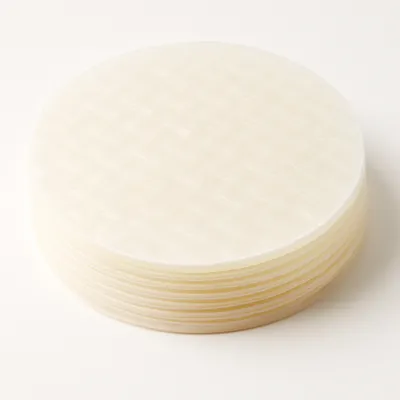

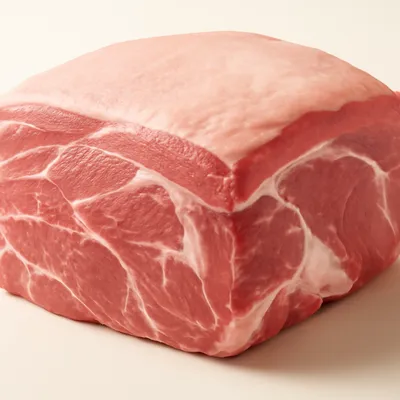
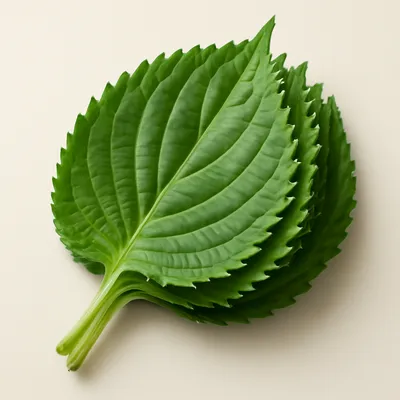
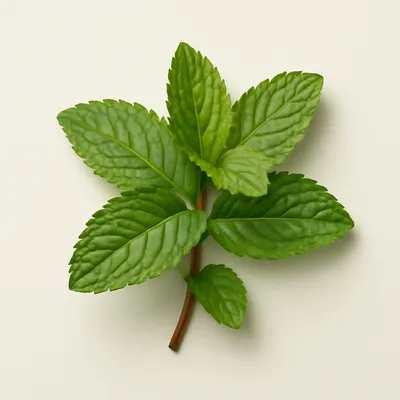
Banh trang phoi suong is the signature product of Trang Bang, a town in Tay Ninh province northwest of Saigon, where rice-paper making is a long-established craft. The defining step — leaving the toasted sheets out overnight to absorb the night dew (phoi suong) — gives the paper its uniquely soft, ready-to-roll texture and its name. It is traditionally eaten as banh trang phoi suong Trang Bang, a wrap-it-yourself meal of boiled pork and an unusually large platter of local herbs. The technique is documented as a Trang Bang regional craft; it is a place-bound specialty rather than a dish with a single inventor.
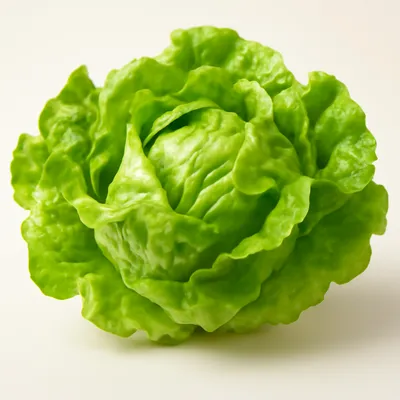
Unlike ordinary rice paper, which is brittle and must be dipped in water, these sheets arrive already soft, supple, and faintly chewy — you can roll them straight from the stack. The wrap holds slices of boiled pork (with both lean and fatty parts) and a generous tangle of herbs: perilla, mint, fish mint, lettuce. Bitten through, it is fresh, soft, and clean, the pork mild and the herbs loud, all carried by a sweet-salty dipping sauce. The texture of the paper itself — pliable, never gummy — is the whole point.
The paper is made in two thin layers steamed together, which gives it body; it is then sun-dried and very lightly toasted over coals — just enough to firm it, not to crisp it like crackers. The crucial step is leaving it out overnight so the night dew rehydrates the sheets evenly and gently, far more uniformly than a quick water dip would. This slow, even moistening is what makes the paper foldable without tearing and without the gummy wet patches that water-dipped paper develops. Because the wrapping is so soft, no further hydration is needed at the table.
Variations
The classic is banh trang phoi suong Trang Bang with boiled pork and a large herb platter; many stalls now offer it with grilled pork or grilled pork sausage as well. The herb selection is regional and often runs to a dozen kinds. The paper is also sold dry for home use. It should not be confused with banh trang nuong (a Da Lat dish of rice paper grilled crisp with toppings) or banh trang tron (a Saigon snack of shredded rice paper tossed with seasonings) — those use the paper crisp or shredded, not as a soft dew-softened wrap.
On the Palate
Where Banh Trang Phoi Suong sits in the Vietnamese flavor cloud
Ingredients
Serves 4

How it's made
6 steps · 25 min active + 20 min waiting
- 112 min
Steam rice batter in two thin layers together to form double-thickness sheets.
- 28 min
Sun-dry the sheets, then toast them very lightly over coals until firm but not crisp.
Watch outToast the sheets very lightly over coals — just enough to firm them, not crisp them; over-toasted paper goes brittle and won't fold.
- 30 min
Leave the toasted sheets out overnight to absorb the dew until soft and pliable.
Watch outLeave the sheets out overnight to take up the dew until soft and pliable — this slow, even moistening is what makes them foldable without the gummy patches a water dip leaves.
- 418 min
Boil pork belly and shoulder, then slice thinly with both lean and fatty parts.
- 56 min
Wash and arrange a large platter of herbs and lettuce; mix a sweet-salty dipping sauce.
- 63 min
At the table, roll the soft paper around pork and herbs and dip — no water needed.
Archive tool suggestions — not reviewed
These legacy suggestions have not been evidence-reviewed and are not presented as required tools.


