
Long-grain rice cooked in coconut milk with a pinch of salt and a stick of cinnamon — the Tanzanian-Swahili-coast everyday rice that goes alongside every fish curry, every bean stew, every grilled meat on the coast. Slightly sweet, deeply fragrant, almost soufflé-like in the way the rice grains pick up coconut oil. The simplest and most defining coastal Swahili side.
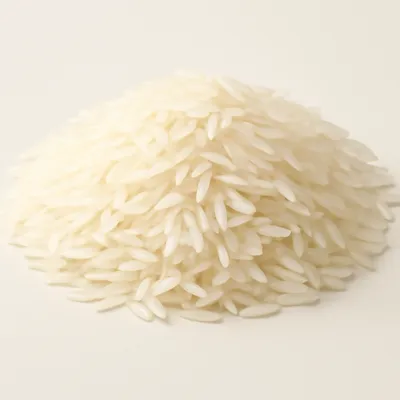


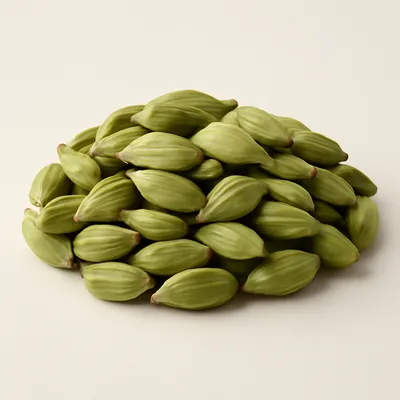

Wali wa nazi ('coconut rice' in Swahili) is the universal Swahili-coast rice — from southern Somalia through Kenya's Mombasa-Lamu region, through coastal Tanzania, to northern Mozambique. Coconut palms line the entire Indian Ocean coast; coconuts are pressed for fresh coconut milk daily in coastal kitchens (rural villages still pound and squeeze; urban kitchens use canned). The combination of rice + coconut milk is so basic and so universal that it transcends regional borders.
Fork brings up fluffy-separate grains with a faint glistening of coconut oil and the lingering aroma of cinnamon and cardamom. Each grain is plump-firm, slightly sweet, with the coconut milk's natural richness threaded throughout. The simplest Swahili-coast side, transformative when eaten with a spoonful of fish curry — the rice catches the spiced broth and turns each bite into balanced sweet-and-savory. Indian Ocean cooking at its most essential.
Coconut milk's fat (about 23%) coats each rice grain during cooking, preventing them from sticking and giving the characteristic glossy-separate quality. The 2:1 coconut-milk-to-water ratio is balanced: pure coconut milk would be too rich; pure water loses the dish's identity. Whole spices (rather than ground) infuse aromatics into the steam without making the rice gritty. The covered-cook-and-rest is universal rice technique — no peeking.
Variations
Wali wa nazi na pilipili (with chili) adds a small fresh chili to the cooking liquid for mild heat. Coconut-and-saffron rice adds a pinch of saffron for special-occasion color. Zanzibar-style adds a few green peas for visual contrast. Mainland-Tanzania version uses 50/50 coconut milk and water for lighter result; coastal-island uses 100% coconut milk for richness.
On the Palate
Where Wali wa Nazi sits in the Tanzanian flavor cloud
Ingredients
Serves 4How it's made
9 steps · 15 min active + 20 min waiting
- 13 min
Rinse 300 g long-grain basmati rice (or jasmine) in cold water until water runs mostly clear. Drain.
- 22 min
In a heavy medium pot, combine: 400 ml coconut milk + 200 ml water + 1 tsp salt + 1 cinnamon stick + 3 cardamom pods (optional but traditional).
- 33 min
Bring to a gentle simmer over medium heat. Stir to dissolve salt.
Watch outBring just to a gentle simmer and stir until the salt dissolves — don't let it boil hard before the rice goes in.
- 41 min
Add the rinsed rice. Stir once to distribute evenly.
- 518 min
Reduce heat to lowest. Cover with a tight-fitting lid. Cook 17-18 min undisturbed.
Watch outTurn the heat to its lowest and cover tightly — you want a bare whisper of steam, not a boil.
- 611 min
Off heat, rest covered 10 min. Don't lift the lid until ready — the steam is doing the work.
- 71 min
Lift lid. Remove cinnamon stick and cardamom pods. Fluff gently with a fork.
Watch outFluff gently with a fork after the rest; the grains should stand separate and glossy.
- 81 min
Optional finish: drizzle with 1 tbsp coconut oil for extra richness.
- 93 min
Serve hot alongside mchuzi wa samaki (Swahili-coast fish curry), mbaazi wa nazi (coconut pigeon peas), grilled fish, or beef stew. The rice's slight sweetness contrasts with savory mains.


