A Hainan Miao festival dish in which mountain glutinous rice is divided into three portions and naturally dyed black, deep red, and golden yellow using boiled plant pigments — mulberry leaf, red indigo vine, and fresh turmeric — before each portion is steamed separately and the three are shaped together into a pyramid on a mountain palm leaf.
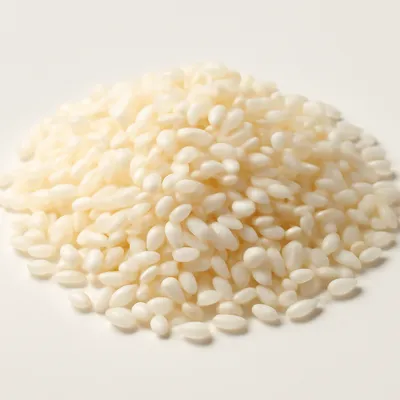


The three-color rice of Hainan's Miao people traces to the Wanli period of the Ming dynasty (late 16th century), evolving from an older five-color rice tradition. Each color represents a different Miao clan or lineage group; presenting all three colors together symbolizes ethnic unity and communal harmony. Prepared for the Sanyuesan festival and other major celebrations, the dish uses shānlán glutinous rice — a highland variety unique to Hainan's mountainous interior — as its base. The production craft was listed by Qiongzhong County as its sixth batch of county-level intangible cultural heritage in 2018.
Three distinct earthy-sweet tones arrive in one mouthful: the lightly astringent mulberry-dyed black rice carries a deep woodsy note; the red indigo vine-dyed crimson rice offers a faintly floral sweetness; the turmeric-dyed golden rice adds a gentle, dry warmth. Mountain glutinous rice binds them in a sticky, yielding chew with a clean, fragrant finish.
Three distinct phytopigment classes account for the colors. Mulberry leaves contain anthocyanins that, in the mildly alkaline soaking water, shift toward a deep black-purple. Red indigo vine (Strobilanthes cusia) yields indirubin and indigotin pigments that bond to starch granule surfaces during the 8-hour soak. Turmeric's curcumin — a polyphenol soluble in warm aqueous conditions — readily penetrates the rice starch matrix. Steaming at 100°C gelatinizes the near-pure amylopectin starch of glutinous rice, sealing the pigments within the gel network, stabilizing color and creating the characteristic soft, translucent, cohesive texture.
Variations
A five-color version using additional plants for blue and white hues can still be found in parts of Qiongzhong county. Some households finish the steamed rice with a drizzle of coconut milk and palm sugar. Related five-color sticky rice dishes exist among Miao communities in Guizhou and Guangxi, using Chinese privet berry and purple cabbage as substitute dye plants.
On the Palate
Where Miao Three-Color Glutinous Rice sits in the Chinese flavor cloud
Ingredients
Serves 4How it's made
7 steps · 30 min
- 15 min
Wash 500g mountain glutinous rice (or premium short-grain glutinous rice) thoroughly and divide into three equal portions.
- 290 min
Boil 100g mulberry leaves in 300ml water for 1.5 hours until the liquid turns deep black; strain and cool. Boil 100g red indigo vine leaves similarly to produce red liquid. Mash 80g fresh turmeric root and squeeze through cloth in warm water to extract yellow juice.
- 3480 min
Soak each rice portion in its respective plant-dye liquid for 8 hours at room temperature until grains are evenly and deeply tinted.
Watch outSoak the full 8 hours until the grains are dyed right through — a short soak leaves pale, patchy colour that fades on steaming.
- 480 min
Drain each rice portion and steam separately in a bamboo steamer over high heat for approximately 80 minutes until fully cooked through.
Watch outSteam each colour in its own basket — crowd them together and the dye bleeds from one into the next.
- 55 min
Fluff each portion while still warm; taste and adjust with a pinch of salt or a small drizzle of coconut milk if desired.
- 65 min
Lay a mountain palm leaf or banana leaf flat on a serving plate; mound about 50g of each color in three wedges and gently press all three into a small pyramid.
- 72 min
Serve immediately, encouraging diners to take a pinch of all three colors together in each mouthful.
Archive tool suggestions — not reviewed
These legacy suggestions have not been evidence-reviewed and are not presented as required tools.


