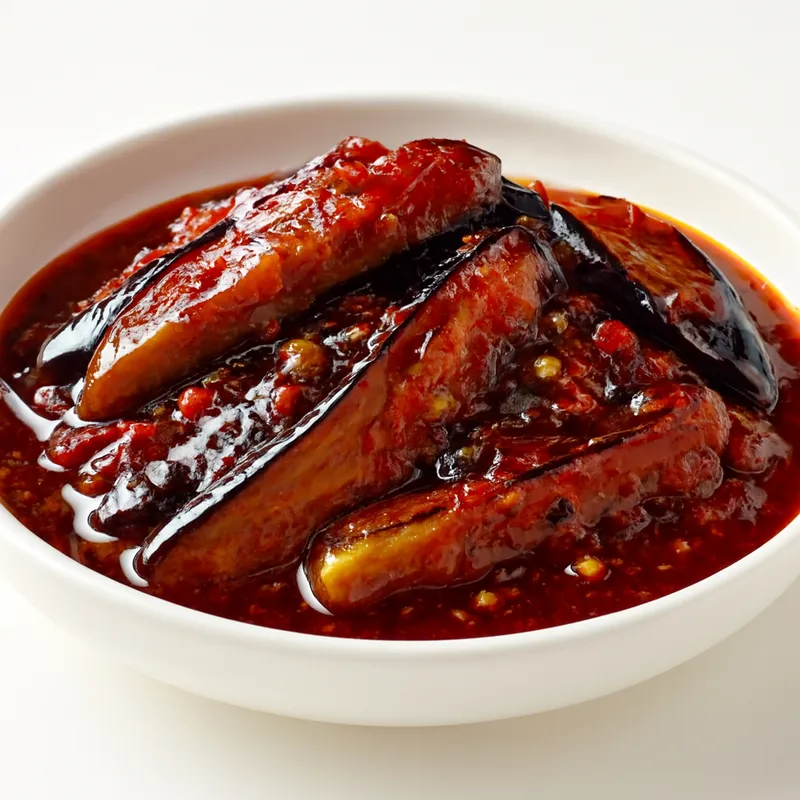
A classic Shandong dish and the defining example of the guo ta method, a fry-then-braise technique generally regarded as exclusive to Lu cuisine. Firm tofu is cut into slabs, lightly salted, dredged in flour and dipped in beaten egg, then pan-fried golden on both sides. It is then stewed in chicken stock with scallion and ginger over low heat until the broth is fully reduced back into the tofu, leaving an egg-fragrant exterior over a tender interior soaked with savory stock.



Confirmed records of a precise origin are lacking. What is well documented is the classification: guo ta is counted among Lu cuisine's most characteristic techniques, alongside bao stir-frying, shao braising, and ba. The method always follows the same logic — flat slices of a main ingredient are coated in egg batter, fried golden on both sides, then stewed in a little broth over low heat until the liquid is absorbed, so the same name extends across a family of dishes: guo ta tofu, guo ta pork tenderloin, guo ta yellow croaker. By tradition the technique is traced to Jinan in Shandong, where guo ta tofu is said to have appeared as early as the Ming dynasty and to have been elevated to a court dish under the Qianlong reign of the Qing; it later spread to Tianjin, Beijing, and Shanghai.
The slabs hold their shape, edges set into a thin golden skin that smells of fried egg. The bite gives easily — the interior stays soft and barely holds together — and floods with warm, savory stock; the flavor sits inside the tofu rather than in any sauce on top.
The technique builds flavor in layers. The flour dredge gives the egg something to grip; the egg, set firm in oil at about fifty percent heat (warm but not smoking), seals each slab in a thin cooked coat that both protects it from breaking and later soaks up liquid. The real work is the ta stage: a small amount of stock is reduced over low heat, so as the liquid boils down its dissolved savory compounds grow more concentrated and are drawn into the tofu's porous, water-rich curd rather than left as a sauce. Firm (north-style) tofu is essential — its denser structure survives the double cooking of frying then stewing without falling apart, while still drinking in the broth.
Variations
Beyond plain tofu, the same method yields guo ta pork tenderloin, guo ta yellow croaker, and other guo ta dishes. The tofu itself has a stuffed form — guo ta tofu boxes, where two slices sandwich a filling of minced meat or shrimp before battering. A vegetarian version keeps to scallion, ginger, and clear stock, while richer takes add shrimp, ham, or a chicken-bone stock for deeper savor.
On the Palate
Where Pan-Stewed Tofu sits in the Chinese flavor cloud
Ingredients
Serves 3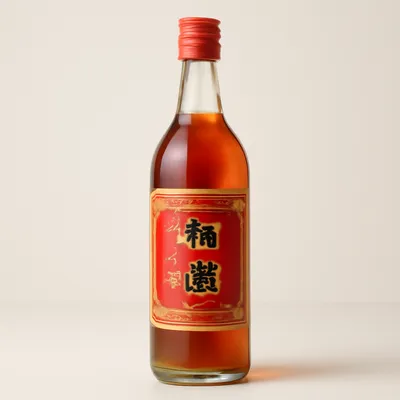


How it's made
7 steps · 20 min
- 112 min
Cut firm (north-style) tofu into slabs about 1 cm thick. Salt lightly on both sides and let sit 10 minutes; blot off the surface moisture.
- 25 min
Beat the eggs in a wide dish. Spread flour on a plate. Dredge each tofu slab in flour, shaking off the excess, then dip to coat thoroughly in egg.
Watch outDredge each slab in flour and shake off the excess before the egg coat — the flour is what gives the egg something to grip, so the seal doesn't slide off in the oil.
- 36 min
Heat oil in a pan to about fifty percent heat (warm, not smoking). Lay the slabs in and pan-fry over medium heat until golden on both sides, turning once carefully.
Watch outBring the oil to about fifty percent heat — warm, not smoking — and lay the slabs in gently; too hot browns the egg before it seals, too cool and the coat soaks up oil and slides.
- 42 min
Scatter in shredded scallion and ginger and let them release their fragrance, then pour in Shaoxing wine around the edge.
- 52 min
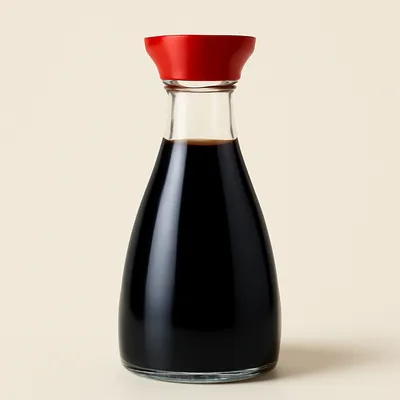
Add chicken stock to come about halfway up the tofu, with a little soy sauce and salt to taste. Bring to a gentle boil.
- 68 min
Lower the heat and let it stew (ta) uncovered until the broth has reduced almost completely and soaked into the tofu, basting now and then.
Watch outStew (ta) uncovered on low, basting, until the broth reduces almost dry and soaks into the tofu — that slow reduction is what drives the savory flavor into the curd instead of leaving a puddle of sauce.
- 71 min
Once only a glaze of liquid remains, transfer to a plate and serve, with the pan juices spooned over.