A classic Jinan-style Shandong seafood dish built on the guo-ta method: a whole yellow croaker is salted, dredged in flour, coated in beaten egg, and pan-fried golden on both sides, then a clear savory stock with scallion, ginger, Shaoxing wine and soy is poured in and simmered down until the fish drinks it all in. The finished fish comes out nearly dry, glossy and amber, the egg jacket soaked through with broth so the flesh tastes tender and deeply seasoned rather than fried. It is the seafood cousin of the better-known pan-stewed tofu, applying the same "collapse" technique to fish.



Guo-ta ("pan-collapse") is a cooking method native to Shandong, recorded as early as the Ming dynasty in Jinan, where pan-stewed tofu first appeared; by the Qianlong reign of the Qing the method had risen into court cookery, and the famous Shandong restaurant Fengzeyuan made its pan-stewed tofu a signature. The technique—egg-batter, gentle pan-fry, then simmering a little stock down into the main ingredient—was extended from tofu to many ingredients, with fish among the most prized. Pan-stewed yellow croaker is the canonical seafood version, valued because the lean, fine-flaked croaker takes the soaked-in broth especially well.
The fish arrives whole and glistening, sauce reduced to a thin sheen clinging to the skin. The egg coat is soft and savory rather than crisp, having drunk in the stock, and gives way to flesh that flakes in clean white petals—tender, juicy and seasoned all the way through. Scallion and ginger sit quietly behind the sweet-fresh taste of the croaker, with the faint warmth of Shaoxing wine and just enough soy and vinegar to round it.
Guo-ta is really two methods folded together: pan-frying, then a covered, low-heat braise. The flour-and-egg jacket matters most. Dredging in flour gives the wet egg something to grip; once the egg hits oil at about half-heat (roughly 150°C), its proteins set into a continuous, slightly porous golden skin that seals the fish and, crucially, behaves like a sponge. When the stock goes in and is simmered down over low heat, that egg skin and the fine flesh wick the liquid inward by capillary action, so the seasoning ends up inside the fish rather than on it—this is the "collapse" that gives the dish its name. Keeping the heat gentle and the lid on lets the croaker cook through without toughening, while the slow reduction concentrates glutamates from the stock into a savory glaze. Scoring the fish and salting it first both speeds even cooking and draws out surface moisture so the egg sets cleanly.
Variations
The same method is applied across ingredients—pan-stewed tofu is the original, and pan-stewed pork, fish boxes (stuffed fish), prawns and rape hearts all appear. With fish, flat-bodied yellow croaker or small flounder are favored for even pan contact; larger fish may be filleted into "boxes" with a stuffing. Some cooks finish with a knob of lard or a splash of vinegar at the end for gloss and lift, and a scatter of cilantro is common.
On the Palate
Where Pan-Stewed Egg-Battered Yellow Croaker sits in the Chinese flavor cloud
Ingredients
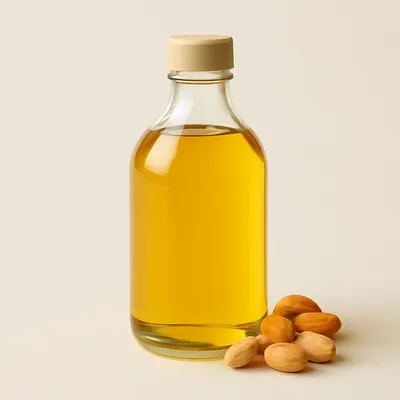
Serves 2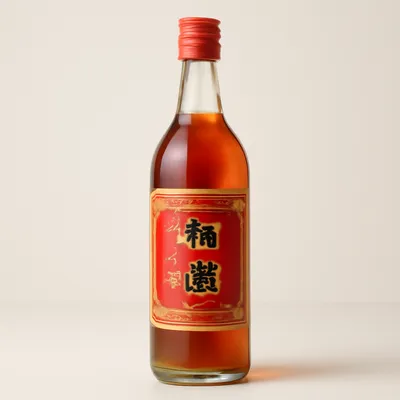


How it's made
8 steps · 30 min active + 10 min waiting
- 112 min
Scale, gut and clean a whole yellow croaker; score the body with a cross-hatch knife on both sides, then rub all over with salt and a little Shaoxing wine and let it marinate.
- 24 min
Beat the eggs in a bowl; spread flour on a plate. Pat the fish dry, dredge it lightly in flour, then drag it through the beaten egg to coat evenly.
- 36 min
Heat peanut oil in a wide pan to about half-heat (roughly 150°C). Lay the fish in and pan-fry over medium heat until golden, then turn and brown the other side.
Watch outFry until the egg jacket sets into a solid golden skin before you turn it — flip too early and the coat tears off and the fish sticks.
- 42 min
Push the fish to one side; add shredded scallion and ginger to the oil and let them release their fragrance.
- 52 min
Pour in the pork stock along with Shaoxing wine, soy sauce, a pinch of salt, a little sugar and a splash of vinegar; bring to a brisk boil.
- 68 min
Lower the heat, cover, and let the fish simmer ("collapse") gently, basting once or twice, until the liquid has reduced to about half.
Watch outKeep it at a bare simmer, not a boil, while it 'collapses' — a hard boil breaks the delicate flesh apart before the skin drinks the broth.
- 74 min
Continue reducing uncovered until only a glossy film of sauce remains and the egg coat has drunk in the broth.
Watch outReduce only until a glossy film clings and the coat looks saturated — cook it dry and the sauce turns from silky to sticky-tight.
- 81 min
Slide the whole fish onto a plate in its natural shape, pour the last of the glaze over it, and scatter with cilantro.

