A Shanxi classic from the Jinzhong and Lüliang region, known locally as 'open-eyed tofu' for the crab-eye bubbles that bloom across each slice as it cooks. Fermented shrimp paste — dense with umami from weeks of salt-curing — transforms everyday tofu into a dish that is pungent, savory, and deeply satisfying.

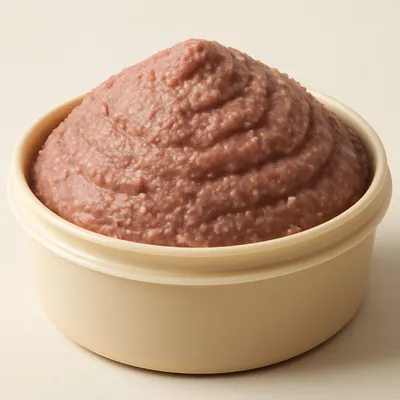




Tofu production flourished in central Shanxi from at least the Ming dynasty, fed by abundant highland spring water. Fermented shrimp paste — made from small freshwater shrimp salted and ground into a dense paste — entered inland Shanxi kitchens via merchant trade routes, and was adopted into the region's flavour-forward but ingredient-humble cooking tradition. The dish crystallized in the Jinzhong and Lüliang basin as a banquet staple and working-class comfort dish alike, renowned above all for its theatrical bubbling surface — earning it the folk name 睁眼豆腐 (open-eyed tofu). It was officially selected as one of the Ten Great Dishes of Shanxi (十大晋菜) in June 2022.
Custardy tofu glistening with orange-brown paste, each slice almost trembling from the heat. The shrimp paste delivers a sharp, fermented brininess that gradually softens into a rounded, lingering ocean umami — nothing about it tastes inland.
Shrimp paste is fermented at roughly 20-30% salt by weight, which suppresses spoilage bacteria while selecting for halotolerant Micrococcaceae and lactic acid bacteria; their proteases hydrolyze shrimp proteins into free amino acids — predominantly glutamic acid and aspartic acid — concentrating umami far beyond that of fresh shrimp. When tofu meets the hot paste, surface moisture flashes off rapidly, causing the fermented liquid to bubble furiously (the open-eyed effect). These bubbles signal that the Maillard cascade is beginning at the tofu-paste interface: amino acids and reducing sugars react at the contact surface to produce pyrazines and furanones, deepening the flavor from briny to savory-complex.
Variations
Some households add ginkgo nuts midway for a bitter counterpoint; Taiyuan restaurant versions add cloud-ear mushrooms for crunch; a lighter version blanches the tofu first and halves the paste quantity, making it suitable as a breakfast accompaniment to congee.
On the Palate
Where Shrimp-Paste Tofu sits in the Chinese flavor cloud
Ingredients
Serves 4
How it's made
7 steps · 5 min
- 15 min
Cut tofu into 1 cm-thick rectangular slices; blanch in lightly salted boiling water for 2 minutes; drain thoroughly and set aside.
- 23 min
Mince garlic and ginger finely; cut scallion into rings.
- 32 min
Heat oil in a wok over medium heat; fry garlic and ginger until fragrant, about 30 seconds.
- 42 min
Add shrimp paste; fry over medium-low heat for 1-2 minutes until the paste darkens slightly and its aroma intensifies.
Watch outFry the shrimp paste over medium-low until it darkens and its aroma blooms — this cooks off the raw ferment sharpness.
- 52 min
Add tofu slices; gently fold to coat each slice evenly with the shrimp paste.
- 65 min
Pour in water and soy sauce; cook over medium heat until liquid mostly evaporates and crab-eye bubbles bloom across the tofu surface, 4-5 minutes.
Watch outCook until the liquid nearly goes and crab-eye bubbles bloom across the tofu — those furious bubbles mean the browning has begun.
- 72 min
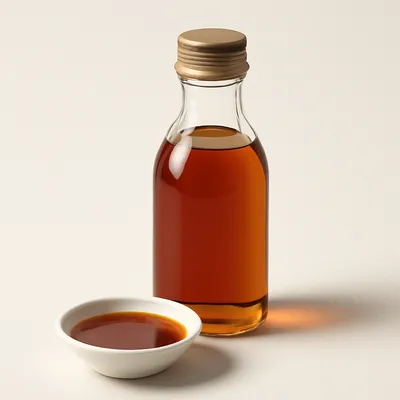
Drizzle with sesame oil, scatter scallion rings over the top, and serve immediately.


