Scored mandarin fish fillets stuffed with rehydrated fish cartilage, fried until golden, then braised in a soy-and-fermented-paste sauce — the name is a centuries-old pun: 鱼骨 (fish cartilage) for 余骨 (surviving bones), commemorating Confucian texts that outlasted the Qin Emperor's book-burning.





In 213 BCE (秦始皇三十四年) the First Emperor ordered the burning of books and burial of Confucian scholars. Confucius' eighth-generation descendant Kong Fu reportedly concealed the family classics within a wall of the old Confucius residence — the act commemorated as 鲁壁藏书. The Kong family later erected the 鲁壁 memorial in Qufu; according to folk accounts, at the inaugural banquet a Kong family chef created this dish using cartilage from a catfish head, naming it 烧秦皇鱼骨. The double meaning was intentional: 鱼骨 (fish bone) is a near-homophone for 余骨 (remaining bones), declaring that Confucian learning outlasted the purge.
The mandarin fish flesh, fried first and then slowly braised, absorbs the savory-sweet sauce to its core; at each score cut a strip of soft cartilage yields with a gentle elastic chew — a hidden second texture inside each fillet that only reveals itself at the moment of eating.
Fish cartilage is rich in type-II collagen. During extended braising at 70–80°C, collagen hydrolyzes into gelatin, thickening the sauce and coating each piece with a glossy, clingy finish. The prior deep-frying creates a Maillard crust on the fish flesh, generating pyrazines and furanones that add a roasted depth the braising liquid alone could not produce.
Variations
In the grandest Kongfu banquets this dish appears as one component within 八仙过海闹罗汉, the centerpiece multi-ingredient platter. Some versions use swim bladder (鱼鳔) in place of cartilage for a softer, more gelatinous texture. Others rely more heavily on Shandong sweet wheat paste (甜面酱) for a darker, sweeter finish.
On the Palate
Where Braised Qin-Emperor Fish Cartilage sits in the Chinese flavor cloud
Ingredients
Serves 4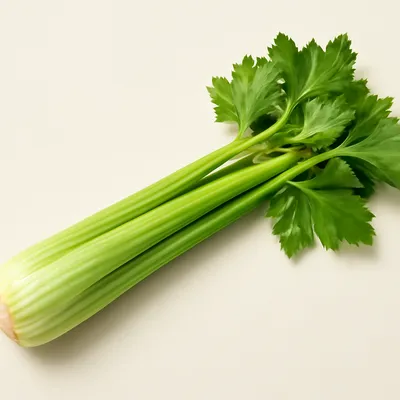

How it's made
7 steps · 1 hour 30 min
- 110 min
Fillet a fresh mandarin fish into two boneless sides; score three diagonal cuts across each fillet without cutting all the way through.
Watch outScore three diagonal cuts across each fillet without cutting through — the slits open pockets for the cartilage strips and let the braise soak into the flesh.
- 25 min
Cut rehydrated fish cartilage into 3 cm lengths; insert one strip into each score cut.
- 320 min
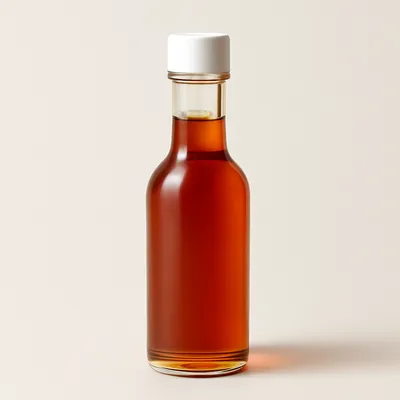
Season with salt and Shaoxing wine; marinate for 20 minutes.
- 48 min
Deep-fry the stuffed fillets in peanut oil at 170°C until golden brown on all sides; drain on a rack.
Watch outDeep-fry at 170 degrees until golden on all sides — that crust builds the roasted depth the braise alone can't; fry too pale and the fish falls apart in the sauce.
- 53 min
In a clean wok fry minced ginger and scallion until fragrant; add sweet fermented wheat paste and soy sauce and stir until incorporated.
- 633 min
Pour in stock, add the fried fish pieces, and braise over medium-low heat for 30–35 minutes, basting frequently.
Watch outBraise gently over medium-low and baste often — steady low heat melts the cartilage collagen into gelatin that thickens the sauce to a glossy cling.
- 75 min
Blanch celery hearts and mushroom slices in the braising liquid; arrange over the fish; reduce the sauce and finish with Sichuan pepper oil.


