
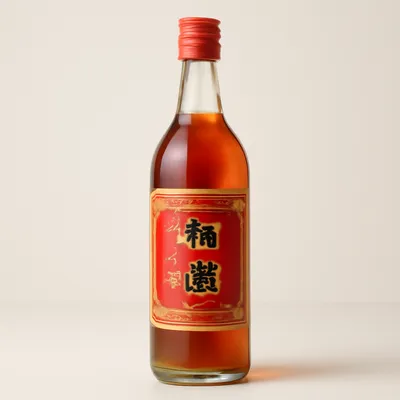
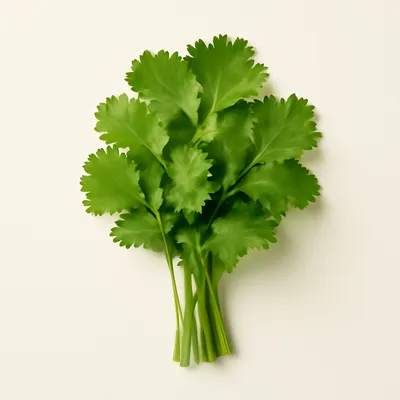
The savory braised treatment of the prized Yellow River carp (黄河鲤鱼), and one of the three classic preparations of that fish in Henan cuisine, distinct from the sweet-and-sour ones. A whole carp is scored on both flanks, dusted with cornstarch, and fried just to set the surface, then braised in stock colored with caramelized rock sugar (糖色) and seasoned with soy, ginger, scallion, Shaoxing wine and pepper. The fish is not turned in the pan; stock is spooned over it as it simmers low for around 40 minutes, then the sauce is thickened with a starch slurry to a glossy clinging coat. The finished fish is red-brown and glistening, with clean salty-savory depth rather than the tang of the sweet-sour versions, scattered with scallion and coriander.




Yellow River carp has been a prized table fish in the Central Plains since antiquity; the 《诗经》 line 'must it be a fish? then it must be carp of the He (river)' (岂其食鱼,必河之鲤) is the old proverb of its standing, and the fish — golden-scaled with four whiskers — is the named ingredient of Henan's most famous fish dishes. In Henan cuisine the Yellow River carp is cooked three classic ways: red-braised (红烧), steamed (清蒸), and the sweet-and-sour slip-cooked style (糖醋软熘), and the carp dish ranks among the province's ten famous dishes. Red-braising is the savory, banquet-table treatment, often cited in restaurant and recipe sources as descending from older court and Kaifeng fish cookery; the precise origin and date of this particular preparation are not securely documented. It is the everyday savory counterpart to the better-known sweet-and-sour 糖醋黄河鲤鱼 of Shandong and the Kaifeng 鲤鱼焙面.
The skin where it was scored is faintly chewy and clings to flesh that lifts off the bone in clean white flakes, moist and just-set rather than fried hard. The sauce is the point: a red-brown gloss that coats but does not pool, deeply savory with the rounded faint sweetness of caramelized rock sugar, the warmth of pepper, and the malt of soy, with none of the bracing vinegar of the sweet-sour versions. The scored grooves trap the sauce so each piece carries it. Done well the fish is tender and the sauce mirror-bright; done badly the carp is dried out and tastes muddy of river mud (土腥), or the sauce is dull and either thin and watery or pasted on too thick.
Three steps carry the dish. Scoring the thick flanks lets heat and sauce reach the deep muscle so the fish cooks evenly and takes color; a quick deep-fry at about 60-70% oil heat coagulates the surface proteins and sets the cornstarch skin so the fish holds together through the braise and does not break up. The color comes from 炒糖色: rock sugar is melted in a little oil until it caramelizes and froths, then a splash of water is added off the heat — the caramel reactions give the deep red-brown hue and a rounded non-sour sweetness that plain soy cannot. The fish is then braised low in stock that comes only about two-thirds up the body, never turned, with sauce ladled over the top so it cooks and colors evenly while staying intact and tender; a long hard boil would toughen the flesh and squeeze out moisture. Finally a thin starch slurry gelatinizes in the hot sauce to thicken it into a glossy coat that clings to the fish rather than running off.
Variations
The nearest siblings are the other two classic treatments of the same fish: 清蒸黄河鲤鱼 (steamed, the lightest, showcasing the fish itself) and the sweet-and-sour 糖醋软熘黄河鲤鱼 / Shandong 糖醋黄河鲤鱼, and Kaifeng's 鲤鱼焙面, where the sweet-sour carp is crowned with crisp fried 龙须 noodles. Among red-braised versions cooks differ in coloring and richness — some lean almost wholly on 糖色 and soy for a clear red-brown sauce, others add more sugar or a touch of bean paste; garnishes range from plain scallion and coriander to added chili shreds, jujube, or a scatter of green pepper. Restaurants in Zhengzhou built around the Yellow River carp keep the braised whole fish as a headline dish.
On the Palate
Where Red-Braised Yellow River Carp sits in the Chinese flavor cloud
Ingredients
Serves 4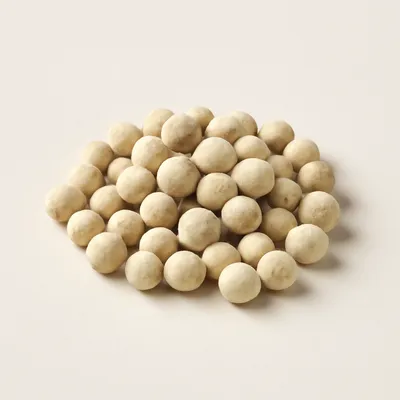

How it's made
7 steps · 30 min active + 30 min waiting
- 112 min
Scale, gut and clean a whole live Yellow River carp; score both flanks with a few diagonal cuts down to the bone, then rub salt and Shaoxing wine into the cuts and let it sit briefly.
- 23 min
Dust the fish all over, and into the scored cuts, with a thin even coat of cornstarch.
- 36 min
Heat oil to about 60-70% hot and fry the carp until the surface is set and pale gold, then lift it out and drain; do not fry it hard.
Watch outFry the floured carp only until the surface sets to pale gold — this seals it so it holds together through the braise; fry it hard and it dries out.
- 44 min
In a little oil, melt rock sugar over low heat until it caramelizes and froths, then carefully add a splash of water off the heat to make the red-brown 糖色.
Watch outMelt the rock sugar until it caramelizes and froths, then add water off the heat — that red-brown 糖色 gives the deep color and a rounded, non-sour sweetness plain soy cannot.
- 52 min
Add stock, scallion, ginger, the 糖色, light soy sauce, Shaoxing wine, salt and white pepper; the liquid should come only about two-thirds up the fish.
- 640 min
Slide in the fish and bring to a boil, then turn the heat low; do not turn the fish — spoon the sauce over it constantly and braise gently for about 40 minutes until cooked through and infused.
Watch outDo not turn the fish — keep spooning the sauce over its back as it braises low about 40 minutes, so it colors and cooks through without breaking.
- 73 min
Stir in a thin cornstarch-water slurry to thicken the sauce to a glossy coat and spoon it over the fish; lift the whole carp onto a platter and scatter with scallion and coriander.


