Wok-Blasted Pork Kidney is the signature dish of Sichuan's huǒ bào cooking family — kidneys scored with a crosshatch pattern, then blasted in a smoking-hot wok until they curl into flowers in seconds. Pickled red chili and garlic chives provide bright, fermented heat; the whole stir-fry is over in under a minute. A staple of Chengdu and Zigong casual restaurants, the dish is admired above all for its texture: springy and tender on first bite, never rubbery. Within the Zigong salt-trade culinary tradition, 火爆 sits alongside 鲜锅, 小煎, and 水煮 as one of four canonical cooking methods, and pork kidney is its most demanding subject.




The huǒ bào high-heat stir-fry technique has been part of the Sichuan culinary canon since at least the Qing dynasty; Qing scholar Li Tiaoyuan systematized dozens of Sichuan cooking methods in his writings, listing 爆 among the established techniques of his era. Wok-Blasted Pork Kidney emerged as the best-known representative of that technique applied to offal — a dish refined over generations by Chengdu and Zigong restaurant cooks rather than invented by a single named chef. No credible founding date or inventor is recorded, and no verifiable origin legend attaches to the dish. Within the Zigong salt-workers' culinary tradition, the saying circulates that "For this dish in China, look to Sichuan; for Sichuan, look to Zigong," attesting to the city's particular pride. The dish appeared on the fourth season of the documentary A Bite of China, filmed at a family-run restaurant in Zigong's Daan district.
The plate arrives still steaming, bright red from pickled chilies, the kidney pieces already curled into ragged blooms against a bed of garlic chives. The first bite is firmer than expected — then it yields: springy, not rubbery, juicy in a clean organ-meat way. Pickled chili brings a wet, fermented heat rather than a dry burn, with a shadow of sourness lifting the back of the palate. Young ginger and garlic chives cut any lingering kidney note. Sichuan peppercorn closes with a mild buzz at the lip. Eat immediately — within minutes the kidney firms up and the freshness evaporates with the steam.
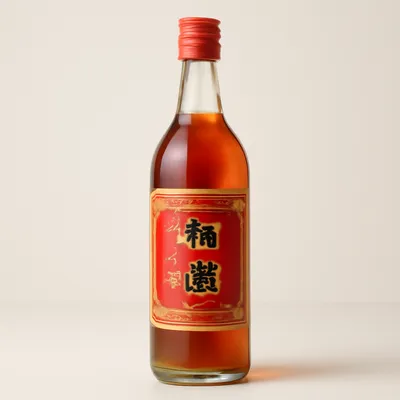
The crosshatch scoring is mechanical origami: diagonal cuts then straight cuts, spaced about 5mm and not quite through the kidney, create a tension map across the surface. When the scored kidney hits smoking oil, the surface collagen contracts instantly while the deeper muscle fibers are still loose — the mismatch causes the scored flaps to curl outward, opening into flowers within two or three seconds. If the oil is too cool, the curling stalls halfway; at the correct temperature the curled surface briefly contacts the wok and undergoes Maillard browning, adding a faint golden crust and wok breath without overcooking the interior. The kidney's off-flavor originates in the white glandular tissue at the center — the renal pelvis and surrounding adrenal cluster — which must be fully excised before cooking. Soaking the cleaned kidney in cold water with a splash of vinegar draws out residual blood; high-heat cooking then volatilizes remaining odor compounds. Neither step alone is sufficient: the physical removal must come first, and the blast of heat completes the job. The marinade of Shaoxing wine and ginger suppresses lingering notes; pickled chili's lactic acid provides a final aromatic mask.
Variations
The Zigong version substitutes yellow chives for garlic chives and pairs them with fine young ginger slivers, giving a sweeter, more vivid result. A dried tangerine-peel variant adds bitter citrus complexity that cuts across the chili heat and aids in odor neutralization. A third preparation, 汗淋腰花, dispenses with the stir-fry: kidneys are poached white, then finished with chili powder, Sichuan peppercorn, and a pour of boiling oil poured at the table — the same principle as oil-splashed dishes, with tenderness determined entirely by the precision of the poaching. Chengdu home-kitchen versions often include lettuce stems or bamboo shoots for crunch. A Shandong variant, 爆炒腰花, is a distinct dish with a different flavor profile — soy-and-vinegar glaze, wood ear and bamboo shoots, without pickled chili — and is not the same preparation.
On the Palate
Where Wok-Blasted Pork Kidney sits in the Chinese flavor cloud
Ingredients
Serves 4

How it's made
7 steps · 20 min active + 10 min waiting
- 112 min
Split each kidney in half lengthwise. Use a knife tip to fully remove all the white glandular tissue from the center (the renal pelvis and adrenal cluster) — cut generously; any white or yellowish tissue left behind carries the off-flavor. Soak the cleaned halves in cold water with a splash of vinegar and a pinch of salt for 10 minutes, then rinse thoroughly and pat dry.
- 28 min
Lay each kidney half cut-side up. Make tight diagonal cuts at 45° across the surface, spacing about 5mm apart, cutting about three-quarters through. Then make straight cuts at 90° to the first, same spacing and depth, to form a crosshatch. Cut each scored half into pieces roughly 3 × 2 cm. Toss with Shaoxing wine, a pinch of salt, and potato starch; let sit 5 minutes.
Watch outScore the kidney about three-quarters through in a tight crosshatch, never all the way — the uncut base is the tension that curls the flaps into flowers in the wok.
- 35 min
Slice pickled red chilies into diagonal segments. Cut young ginger into fine matchsticks. Smash and slice garlic. Cut garlic chives into 4 cm lengths, keeping the white and green parts separate.
- 42 min
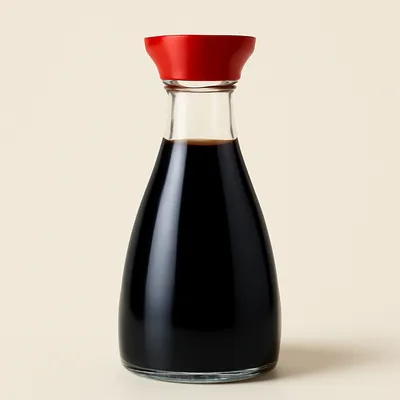
Mix the sauce in a small bowl: soy sauce, a small splash of vinegar, potato starch, and 3 tablespoons of water or stock. Stir until smooth.
- 51 min
Heat the wok over the highest heat until it begins to smoke. Add oil. When the oil shimmers and wisps of smoke rise, add Sichuan peppercorn and fry for 5 seconds. Tip in the kidney pieces. Hold still for 3 seconds to let them curl open into flowers, then toss vigorously for 15 to 20 seconds until all pieces are curled, the surface shows faint gold, and the centers are just opaque.
Watch outThe oil must be smoking-hot before the kidney goes in; hold it still three seconds to let it curl open, then toss fast — cool oil stalls the curl half-open.
- 61 min
Add pickled chili, young ginger, and garlic; toss with the kidney for 10 seconds until the pickled chili fragrance blooms.
- 71 min
Add the white parts of the garlic chives. Pour the prepared sauce in along the edge of the wok and toss hard for 5 seconds until it turns glossy and coats every piece. Add the garlic chive greens, toss once, and plate immediately.
Watch outPour the sauce down the wok edge and toss hard about five seconds till it glosses every piece — any longer over the heat and the kidney toughens.


