
A Minnan fresh spring roll from Quanzhou and Xiamen in Fujian, eaten especially at Qingming and around the year-end festivals. A thin, un-fried wheat crepe is wrapped at the table around stir-fried shredded vegetables — cabbage, carrot, bamboo shoot, bean sprouts — with crisp-fried green laver, peanut powder, and shredded egg, and often oysters, shrimp, or braised pork. Unlike the deep-fried spring roll, popiah is soft, fresh, and hand-rolled to order, never fried.

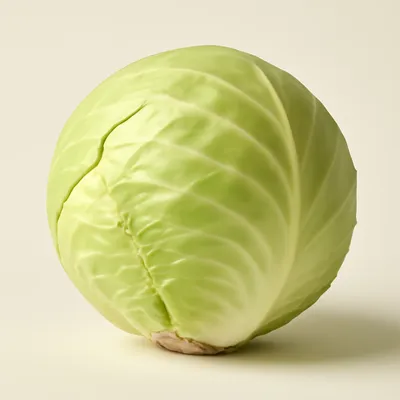

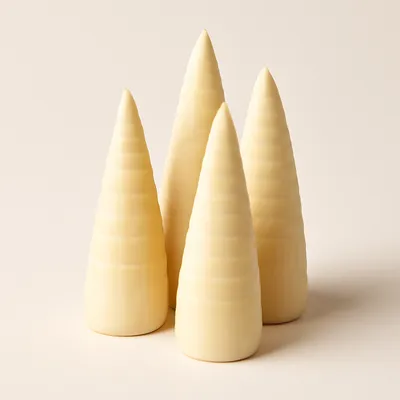

Popiah descends from the cold-food custom of Hanshi, the festival a day or two before Qingming when fires were doused and food eaten cold; the ancient spring-platter of pungent greens evolved into a wrapped crepe, carried south to Minnan by Tang–Song migrants and rooted in Quanzhou as a Qingming ancestor-offering. A folk tale credits the Ming official Cai Fuyi's wife with the wrapped form, but it is unverified. Quanzhou (润饼菜), Xiamen (薄饼), and Zhangzhou names are all attested; the local word is run bing.
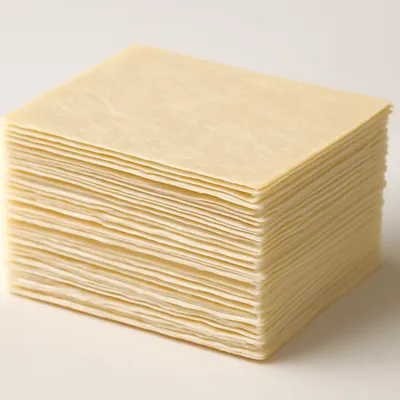
The wrapper is translucent and supple, just thick enough to hold without tearing. Inside is a warm tangle of finely shredded vegetables, faintly sweet and juicy; the fried laver and peanut powder give a savoury, nutty crunch against the soft skin, the shredded egg a mellow note. A good roll is snug and stays whole to the last bite; a poor one soaks through and splits as the filling weeps.
The wrapper is the craft. A very wet, high-gluten dough is gripped in the hand and smeared in a quick swiped circle onto a low-heat flat griddle; a paper-thin film sets at once and is peeled away whole — the 拭饼 motion. Because it is thin, gluten-rich, and never fried, it stays soft and foldable rather than crisping. The filling must be stir-fried and drained nearly dry, since trapped liquid soaks and tears the skin. Deep-frying the same roll would crisp and blister the wrapper — that is a spring roll, not popiah.
Variations
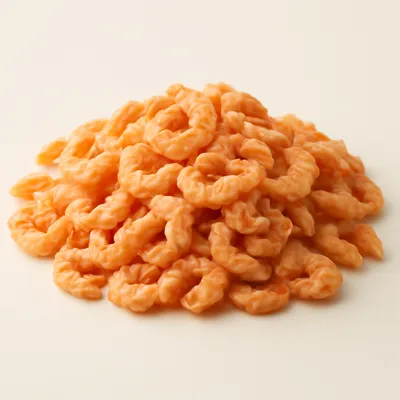
Quanzhou keeps the fillings as separate stir-fries — braised pork, shredded bamboo, mushroom, dried tofu — laid in at the table; Xiamen's 薄饼 stir-fries them together with oysters and shrimp. Crisp green laver, peanut-and-sugar powder (gong tang), and egg shreds are common garnishes; the laver stands in for the pungent greens of the old spring-platter. Taiwan's run bing adds egg floss, braised pork, and oily noodles; the Teochew spring pancake is a cousin. The deep-fried 春卷 is the fried sibling of the same wrapped form.
On the Palate
Where Popiah sits in the Chinese flavor cloud
Ingredients
Serves 4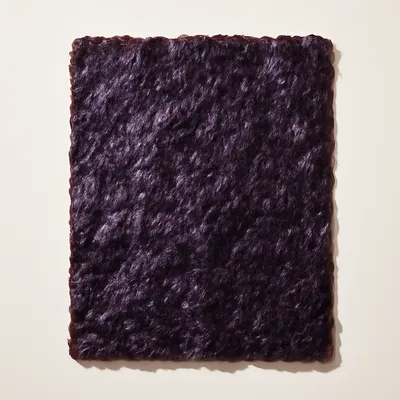

How it's made
7 steps · 40 min
- 120 min
Make or thaw the wrapper: rest a wet high-gluten batter, then swipe a thin film onto a low-heat griddle and peel each crepe off whole; keep them stacked and covered so they stay soft.
- 28 min
Shred cabbage, carrot, bamboo shoot, and dried tofu thinly and evenly; rinse and drain the bean sprouts.
- 38 min
Stir-fry the shredded vegetables over high heat until just tender, season lightly, then drain off all liquid and let them cool to warm — a dry filling is essential.
Watch outStir-fry the vegetables, then drain them bone-dry and cool to warm — any trapped liquid soaks through and tears the thin wrapper.
- 46 min
Beat the eggs, fry a thin omelette, and shred it; tear the dried laver and fry briefly until crisp and fragrant.
- 53 min
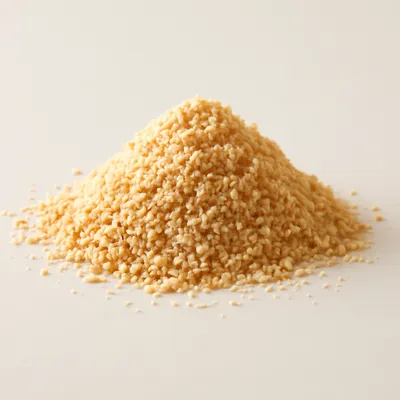
Crush roasted peanuts (with a little sugar, for gong tang powder) to a coarse meal.
- 63 min
To assemble, lay a wrapper flat, dust with peanut powder, add a line of warm vegetables, then laver and egg shreds; fold in the sides and roll snug.
Watch outAssemble and roll snug, then eat right away — let a filled roll sit and the moisture seeps through and softens the skin.
- 72 min
Eat at once, while the wrapper is supple and the filling warm; do not let assembled rolls stand or they soak through.
Archive tool suggestions — not reviewed
These legacy suggestions have not been evidence-reviewed and are not presented as required tools.


