
A rice-and-bean specialty of Huangpi district in Wuhan. Rice and mung bean (sometimes soybean) are soaked, ground with water into a batter, and spread thin on a hot griddle into large pale crepes; while still soft the crepes can be rolled and eaten with sauce, but the keeping form is to slice them into noodle-like shreds and dry them. The dried shreds (干豆丝) are then cooked many ways — boiled in soup, steamed, or, most famously, stir-fried, as in 牛肉炒豆丝 (douxi stir-fried with beef). It is one of Huangpi's signature traditional snacks and a fixture of the Lunar New Year larder; it is a separate dish from the steamed 三鲜豆皮.





Douxi is a farmhouse food of the middle-and-lower Yangtze, made across southeastern Hubei and into neighbouring Anhui and Jiangxi, and in Wuhan it is closely identified with Huangpi, counted among the district's signature traditional snacks. The name comes simply from the bean in the batter and the shredding of the crepe into 丝 (threads). Its method grows out of the old stone-mill, hand-griddled tradition; it is above all a New Year food, and through the twelfth lunar month Huangpi households grind and griddle douxi in batches to lay in for the holiday. A beef-and-douxi stir-fry is the dish most associated with it, by local account a Wuhan house specialty of long standing.
Fresh off the griddle the crepe is soft, pliable, and faintly beany-sweet, good rolled around a little sauce or pickle. Dried and then cooked, the shreds are the real pleasure: stir-fried they turn supple and a touch chewy, with browned edges that catch the wok and soak up the savoury sauce and beef juices; boiled in soup they go softer and silkier. The texture should be fine and springy, never pasty or waterlogged. Done badly the shreds clump and break, going gummy from a batter ground too thick or stewy from too much liquid, and the clean bean-rice flavour is lost under heavy seasoning.
The batter is the foundation: rice supplies the bulk and a clean starch, while mung bean (or soybean) adds protein and a faint sweetness and helps the crepe hold together in a thin, flexible sheet rather than a brittle one. Spread thin on a hot griddle, the batter gelatinises fast into a cookable crepe; slicing it into shreds and drying drives off moisture so the starch firms and the douxi keeps for weeks. The drying is what makes stir-frying work — a brief soak rehydrates the shreds, and in a hot wok the surface starch browns for flavour while the inside stays supple, so they take on wok-heat and sauce without dissolving. Soup-cooking instead lets the shreds slowly reabsorb water and soften into a silkier, looser texture.
Variations
The batter is adjusted by ratio and bean — more rice for a plainer shred, mung bean for a cleaner sweetness, soybean for more body — and the crepe is eaten three ways: fresh and rolled, dried then boiled in soup, or dried then stir-fried, with 牛肉炒豆丝 (with beef) the best known and pork or egg versions common at home; it can also go into hotpot or be deep-fried. As a regional family it spans southeastern Hubei into Anhui and Jiangxi under the same name. Within Huangpi it sits beside the district's other traditional snacks 黄陂三鲜 and 糍粑, and should not be confused with 三鲜豆皮, a separate steamed dish of mung-bean-and-rice skin wrapped around glutinous rice and filling.
On the Palate
Where Huangpi Douxi sits in the Chinese flavor cloud
Ingredients
Serves 4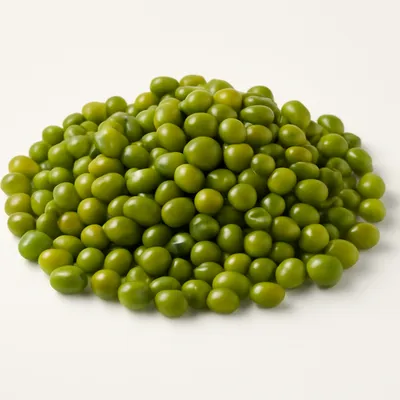

How it's made
7 steps · 35 min active + 5 hours 25 min waiting
- 1300 min
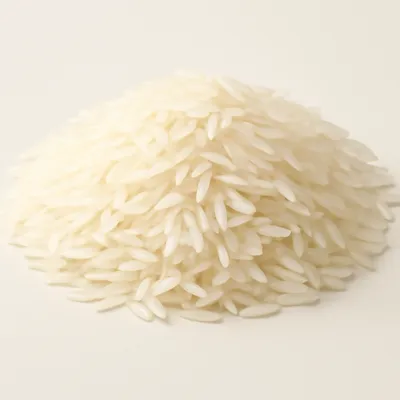
Soak rice and mung bean (about three or four to one) separately in water for several hours until fully swollen.
- 210 min
Drain and wet-grind them together with water into a smooth, thin, pourable batter.
- 312 min
Heat a flat griddle or wide pan and wipe it with a little oil; ladle on batter and spread it into a thin, even crepe, cooking until set and just dry.
Watch outSpread the batter into a thin, even crepe and cook just until set and barely dry — too thick or too wet and it tears instead of peeling off in one flexible sheet.
- 48 min
Lift off each crepe and stack them; while still pliable, roll up and slice crosswise into fine noodle-like shreds.
- 5360 min
Spread the shreds out and air-dry them (or use fresh) — dried 干豆丝 keeps for weeks.
- 66 min
To stir-fry: soak dried shreds briefly to soften; stir-fry sliced marinated beef with ginger and scallion in a hot wok until it changes colour.
- 75 min
Add the douxi shreds and greens, season with soy sauce and salt, and toss over high heat until hot through and lightly browned; serve.
Watch outToss the softened shreds over high heat until hot through and lightly browned — the quick, hot fry lets the surface starch color for flavor while the inside stays supple.


