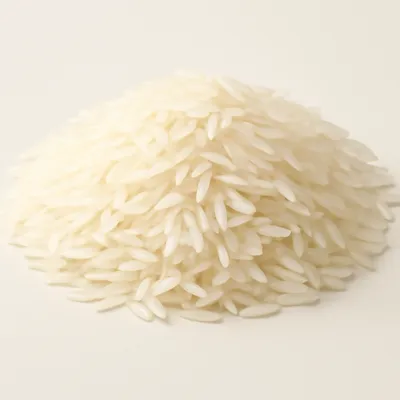
Aeropuerto, literally airport, is the chifa plate that combines two staples in one: arroz chaufa fried rice and tallarín saltado noodles, wok-tossed together with mixed meats, egg, scallion and vegetables. It is a heaped, generous dish ordered when you cannot choose between rice and noodles, or want to feed a table from one platter. Both halves keep their character — fluffy fried grains tangled with springy noodles, all carrying the same soy-dark wok char. It is comfort food built for sharing.



Aeropuerto is a 20th-century invention of Peruvian chifa, the Cantonese-derived cuisine that grew from Chinese laborers who came to Peru between 1849 and 1874. It is not a southern-Chinese dish but a local chifa combination, and its name and exact birthplace are folk lore rather than documented fact: the common telling is that a cook near Lima's Callao airport, short on one staple, combined leftover chaufa and saltado noodles to fill a plate, and the name stuck for its airport neighborhood. The story is plausible and widely repeated but unverified; what is certain is that aeropuerto names the rice-plus-noodle combination across Peruvian chifa menus.
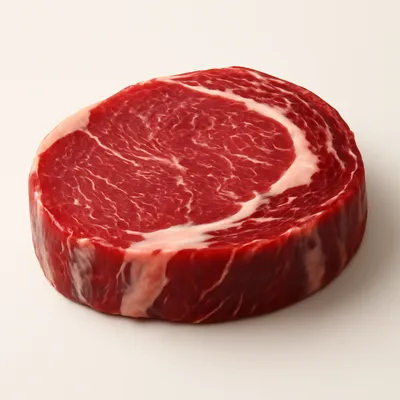
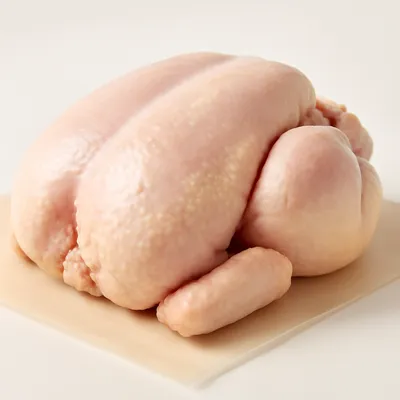
A mountain of a plate: separate, glossy grains of fried rice woven through springy soy-streaked noodles, shot through with egg ribbons, sweet scallion and bits of char siu, beef and chicken. Smoky, salty and endlessly varied bite to bite. You eat it with a fork and a spoon and a healthy appetite.
The trick is timing two stir-fries in one wok without turning either to mush: rice needs cold, dried-out grains and a blazing pan to stay separate, while noodles need to be just-cooked and well drained so they brown rather than steam. The components are usually part-cooked or combined in stages, with the wok kept furiously hot so soy caramelizes and wok hei develops across the whole mass. Tossing fast and not crowding the pan keeps grains loose and noodles from clumping into the rice.
Variations
Aeropuerto de mariscos loads it with seafood; the meat mix varies by kitchen between char siu, beef, chicken and shrimp. Some serve it drier and smokier, others glossier with more soy. A larger family-size mound is sometimes called aeropuerto familiar.
On the Palate
Where Aeropuerto sits in the Peruvian flavor cloud
Ingredients
Serves 4

How it's made
8 steps · 30 min active + 10 min waiting
- 112 min
Cook and chill rice ahead so the grains are cold and dry; boil noodles to just under done and drain well.
Watch outUse cold, dried-out rice and drain the noodles well under-done; damp rice steams into clumps and wet noodles gum up instead of browning.
- 28 min
Slice beef and chicken into strips, dice char siu, and beat the eggs.
- 35 min
Cut red onion, scallion and tomato; prepare soy sauce and a little ginger.
- 43 min
Heat a wok until smoking; scramble the eggs quickly and set aside.
Watch outHeat the wok until it's smoking before anything goes in; that furious heat is what caramelizes the soy and builds wok hei across the whole mass.
- 54 min
Sear the meats in batches over high heat until browned, then remove.
- 63 min
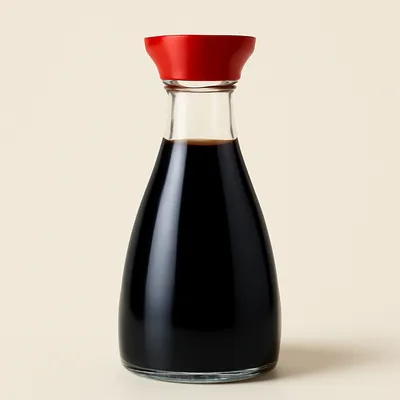
Stir-fry the onion and tomato briefly, return the meats, and add soy sauce.
- 74 min
Add the cold rice and toss hard until the grains separate and char lightly.
Watch outToss the cold rice hard and don't crowd the pan, until the grains separate and lightly char; pile it in too deep and it steams grey instead.
- 83 min
Add the drained noodles, eggs and scallion; toss fast over high heat and plate at once.


