One of the signature stir-fries of Sichuan cuisine, Fish-Fragrant Shrimp Balls applies the yuxiang flavor profile — a compound Sichuan seasoning with no actual fish — to velvet-coated shrimp. The finished dish is brick-red and lacquer-glossy, delivering six simultaneous tastes: salty, sour, sweet, spicy, aromatic, and savory, with a sustained ginger-garlic-scallion perfume running through every bite. Two steps define the outcome: egg-white velveting locks moisture into the shrimp before they hit the wok, and slow-frying minced pickled chilies in oil extracts their deep red pigment before any other ingredient goes in. A fixture of Sichuan restaurant menus, it is equally at home on a weeknight family table.




The yuxiang (fish-fragrant) flavor profile at the heart of this dish is one of Sichuan cuisine's twenty-four recognized taste types, and among its most historically elusive. Food historians have established that the profile postdates 1909 — the Chengdu Overview (成都通览) published that year catalogued over 1,300 Sichuan dishes with no yuxiang preparations whatsoever, pointing to its development by Republican-era Sichuan chefs in the early 20th century. The name derives from a Sichuan folk practice of fermenting fresh crucian carp with red chili peppers to produce pickled fish chilies (鱼辣子), whose complex aroma seasoned the finished dish. A second account holds that the name simply describes the seasoning combination traditionally used when cooking fish — pickled chilies, ginger, garlic, scallion, vinegar, sugar, and soy sauce — applied to non-fish ingredients. The 1960 Chongqing Famous Dishes compendium (重庆名菜谱) documented the flavor's defining formula: pickled chilies balanced with sugar, ginger, and vinegar. Applying the yuxiang profile to shrimp is a natural extension of this tradition into seafood, widening a flavor system first developed around pork and eggplant.
Before the first bite, look at the plate: shrimp in brick-red sauce, gleaming like lacquer. Lift one — the sauce clings without being gluey. Salt and savory arrive first, then rice vinegar's sharpness and the sweetness land together in a one-two that is, oddly, clean and refreshing rather than cloying. Chili heat runs as a low undercurrent, not aggressive, but it lingers at the back of the tongue. The shrimp, coated in egg-white starch before cooking, gives a faint snap before surrendering to tenderness. Ginger-garlic-scallion perfume forms the aromatic backbone and never fades. Tip what remains in the bowl over white rice — it may be better than the shrimp themselves.
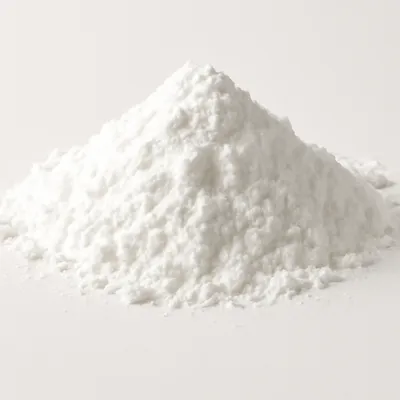
Two technique steps determine both texture and color. First, velveting (上浆): shrimp are coated in egg white and cornstarch before entering the wok; during the brief oil-blanch, the egg-white protein sets instantly, forming a protective film that seals in moisture and leaves a smooth surface for the sauce to adhere to. Second, extracting red oil from pickled chilies: the fat-soluble carotenoid pigments (capsanthin and related compounds) in the pickled chilies dissolve only into hot oil, producing the characteristic brick-red base. Ginger and garlic follow; gingerols and allicin volatilize rapidly in the hot oil, building the aromatic skeleton of the yuxiang profile. The pre-mixed sauce — soy sauce, vinegar, sugar, and water — is poured in last; as temperature rises, the cornstarch gelatinizes, turning the liquid from clear to a translucent amber glaze that coats every shrimp evenly. Critically, vinegar should outweigh sugar: this acidity bias is what distinguishes the yuxiang profile from plain sweet-and-sour.
Variations
Some Sichuan restaurants use whole shell-on shrimp rather than shelled shrimp, frying them unpeeled; the shell carries more red-oil fragrance but requires table peeling. A common home version skips the egg-white velveting and uses frozen shrimp directly, saving time but sacrificing the characteristic springy texture. Certain cooks add a small amount of Pixian doubanjiang to the sauce for a fermented depth; purists note that authentic yuxiang flavor depends on pickled chili peppers rather than bean paste, and that the doubanjiang version shifts the dish into an adjacent but technically distinct flavor category. In seafood restaurants, the shrimp are occasionally replaced with scallops or baby squid, using the same sauce formula with only the protein changed.
On the Palate
Where Fish-Fragrant Shrimp Balls sits in the Chinese flavor cloud
Ingredients
Serves 2


How it's made
7 steps · 15 min active + 10 min waiting
- 110 min
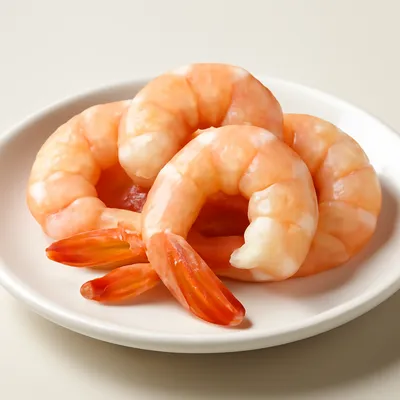
Peel and devein the shrimp; butterfly each along the back with a shallow cut. Pat dry with paper towels. Toss with egg white, 1 tablespoon cornstarch, a pinch of salt, white pepper, and 1 teaspoon Shaoxing wine until evenly coated. Marinate 10 minutes.
- 22 min
Make the fish-fragrant sauce: stir together soy sauce, vinegar, sugar, 1 tablespoon cornstarch, and 4 tablespoons water in a small bowl. The mix should taste sharply sour with background sweetness — acidity should dominate. Set aside.
- 33 min
Finely mince ginger and garlic. Mince pickled chili peppers to a coarse paste. Separate scallion whites (minced) from greens (cut into 1 cm sections). Keep everything in separate piles.
- 43 min
Heat 3 tablespoons oil in a wok over high heat until shimmering but not smoking (about 160°C). Add shrimp; stir-fry 30–40 seconds until pink, just curled, and barely cooked through. Remove immediately and set aside.
Watch outHeat the oil to shimmering, not smoking — about a hundred and sixty degrees — and stir-fry the shrimp just thirty to forty seconds until pink and curled, then pull them out; a beat too long and they go rubbery.
- 52 min
Reduce heat to medium. With the oil remaining in the wok, add minced pickled chilies. Stir-fry slowly for about 1 minute until the oil turns deep brick-red. Add ginger, garlic, and scallion whites; fry 20–30 seconds until intensely fragrant.
Watch outFry the minced pickled chilies low and slow until the oil turns deep brick-red — that red oil is the whole base color, and it only comes out with patience, not high heat.
- 62 min
Stir the sauce bowl once (cornstarch settles fast), then pour into the wok. Stir constantly over medium heat — within 30 seconds the sauce will turn from clear to a translucent amber glaze.
Watch outStir the cornstarch sauce once before it goes in, then keep stirring — within about thirty seconds it flips from cloudy to a clear amber glaze; that's the moment to bring the shrimp back.
- 71 min
Return shrimp to the wok; toss quickly to coat every piece. Scatter scallion greens over. Plate immediately.


