
Diamond-scored pork tenderloin (lean loin) pieces deep-fried until they curl into lychee-shaped balls, glazed in a red-yeast sweet-sour sauce with water chestnut.


A Fuzhou banquet staple from the Min cuisine canon — the name is shape-based, no actual lychee involved. The red-yeast-rice (红曲) coloring is the Fujian fingerprint: it gives the rose-red glaze without tomato paste's flatness, and red-yeast is also what dyes Fuzhou's red wine lees and red-grain pork. Distinct from the heavier Cantonese gulurou — this version uses vinegar-forward sauce and is meant to look festive, not sticky.
Fuzhou Min-cuisine banquet dish — the name is shape-only, no actual lychee. Red yeast rice (红曲) gives the rose-pink without tomato paste's flatness. Cross-hatch must score 70% deep; shallower won't curl into the lychee shape, deeper falls apart in the 170°C oil.
The trick is the look — each piece really does open up like a peeled lychee, pale curls of pork in a red-pink glaze. Bite is crisp at the edges of every scored cut, tender in the middle, with a sharp vinegar-sugar hit cooled by the cool snap of water chestnut. If the balls are limp or the sauce is brown, the oil wasn't hot enough on the second fry.
The cross-hatch score does the load-bearing work: when the cube hits 170°C oil, surface proteins contract along the cut lines, levering the squares open into curled balls. Cuts shallower than 70% of the depth won't open; cuts deeper will fall apart. Sweet potato starch (not cornstarch) gives the rough crystalline shell that holds shape under the wet glaze — cornstarch goes soggy in 30 seconds.
Variations
Fuzhou banquet version with water chestnut and red yeast rice; Quanzhou variant uses fresh pineapple chunks; Cantonese gulu rou is the heavier sticky-sweet cousin; Taiwanese tang cu li ji shapes the same cuts but in tomato-ketchup glaze.
On the Palate
Where Lychee Pork sits in the Chinese flavor cloud
Ingredients
Serves 3


How it's made
5 steps · 25 min active + 10 min waiting
- 115 min
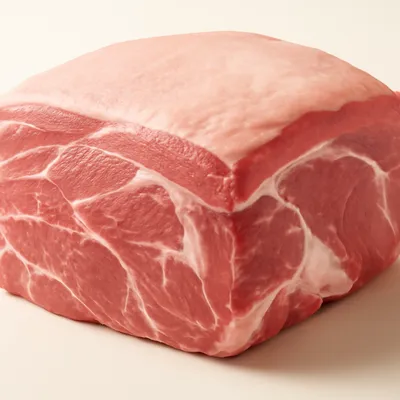
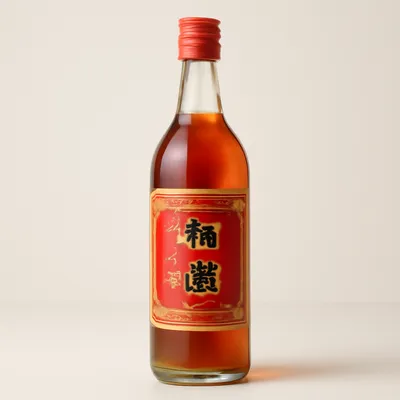
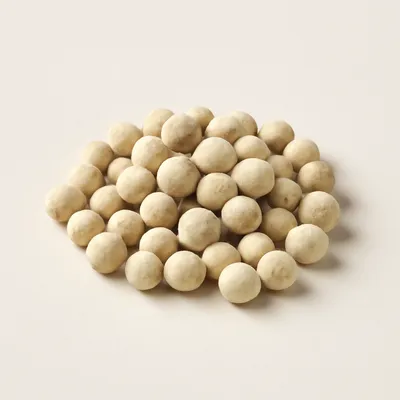
Cut 400g pork shoulder into 3cm cubes. Score each cube with a deep cross-hatch (3mm grid) on two sides without cutting through. Marinate with light soy, Shaoxing wine, and white pepper for 15 minutes.
Watch outScore the cross-hatch about 70 percent deep without cutting through — shallower and the cubes won't curl open, deeper and they fall apart in the oil.
- 25 min
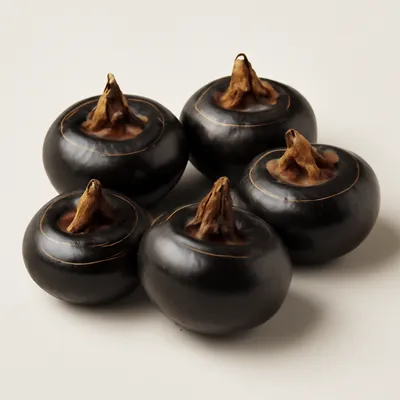
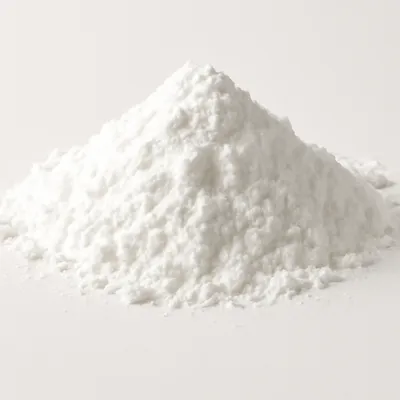
Peel 8 water chestnuts and halve. Dredge pork cubes in sweet potato starch, pressing into the cuts so they open up.
- 35 min
Heat oil to 170°C. Fry pork in batches for 2 minutes — the scored cuts curl outward into lychee-shaped balls. Lift, then re-fry at 190°C for 30 seconds to crisp.
Watch outAt 170 degrees the scored cubes curl outward into lychee balls — lift them the moment they open, then flash-fry hot to crisp; leave them in and the shell goes tough.
- 42 min
In a clean wok, dissolve 1 tbsp red yeast rice powder in 60ml rice vinegar with 50g sugar, 1 tbsp tomato paste, and 80ml water. Bring to a simmer.
Watch outStir occasionally to prevent sticking and ensure even dissolution of the sugar.
- 51 min
Thicken with cornstarch slurry. Toss in pork balls and water chestnuts, swirl 20 seconds so the glaze coats every cut surface but stays glossy. Plate immediately.
Watch outToss just 20 seconds so the glaze coats every cut surface but still stays glossy — over-swirl and the sweet-potato-starch shell drinks the sauce and goes soggy.


