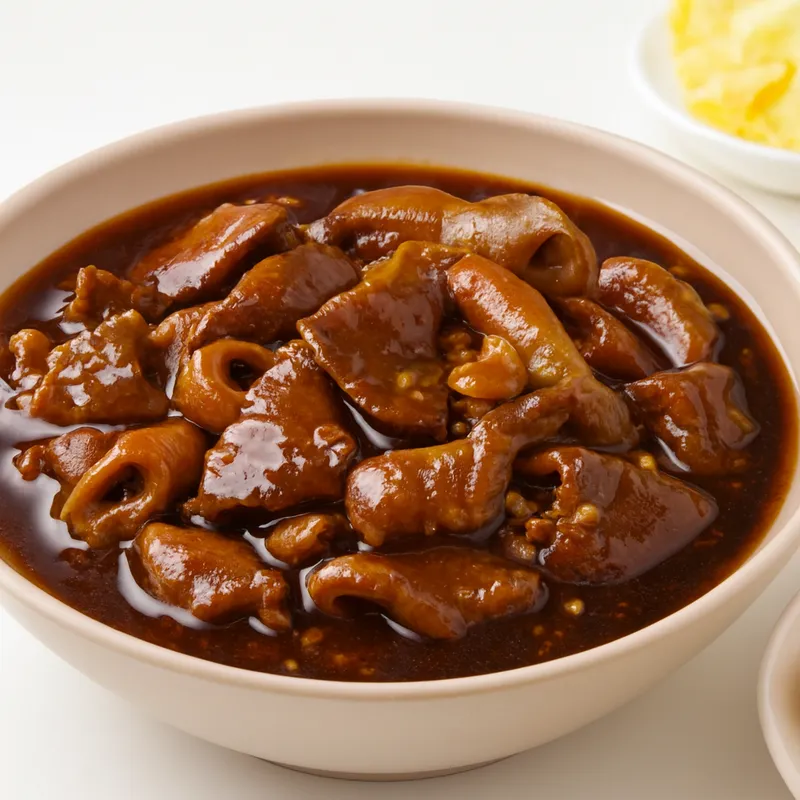
A whole duck — traditionally deboned, but in the famous Shanghai version split along the back with the backbone left in, stuffed with glutinous rice and seven other treasures, steamed for hours, then napped with a shrimp-and-pea gravy made from the steaming juices — a Shanghai banquet showpiece.



A Shanghai banquet dish with roots in Jiangnan stuffed-poultry traditions going back at least to the Qing dynasty — Qing-era food manuals 'Tiaoding Ji' and 'Tongqiao Yizhao Lu' both record an eight-treasure duck, and Suzhou's 'glutinous-rice eight-treasure duck' was prized enough that the Suzhou textile commissioner presented a 'glutinous-rice duck' to the Qianlong Emperor. The Shanghai version codified the eight-ingredient filling and the steam-then-fry finish in the early 20th century, when the city's restaurant culture demanded a centerpiece dish that could be prepped a day ahead.
Yuan Mei's 1792 Suiyuan Shidan describes a near-identical stuffed duck; the Shanghai version codified the eight-ingredient filling and steam-then-fry finish in the early 1900s. Deboning is the irreversible step — break the skin and the rice swells through it. Four-hour steam, short oil-baste finish.
Sliced open at the table, the duck collapses to reveal a sticky-rice core flecked with ham, mushroom, lotus seed, ginkgo. The skin is glass-crisp from the oil pour, the meat underneath ready to fall apart. The rice has soaked four hours of duck fat and ham brine — savoury, dense, almost meaty itself. If the skin tears during deboning, no glaze will save the presentation.
Deboning is the irreversible step — break the skin and the rice swells through it, ruining both texture and presentation. The four-hour steam is what makes the dish make sense: it renders fat into the rice (which doubles as gravy carrier) and softens connective tissue so the meat slumps around the filling. There is no crisping step in the Shanghai version: after the long steam the duck is napped with a shrimp-and-pea gravy reduced from its own steaming liquor, so all the rendered savour returns to the plate.
Variations
Shanghai banquet standard with ham, lotus seed, ginkgo, mushroom; Suzhou home version skips ginkgo and adds gluten puffs; Cantonese ba bao ya uses dried shrimp and conpoy; Hangzhou tilts sweeter with osmanthus syrup.
On the Palate
Where Eight Treasures Duck sits in the Chinese flavor cloud
Ingredients
Serves 6







How it's made
6 steps · 1 hour
- 145 min
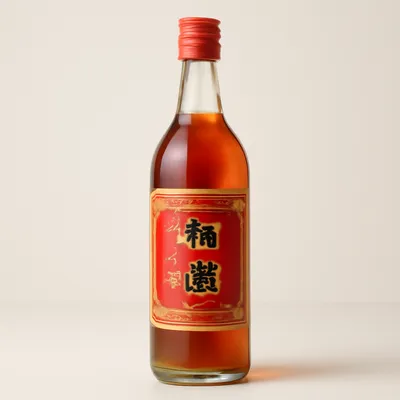
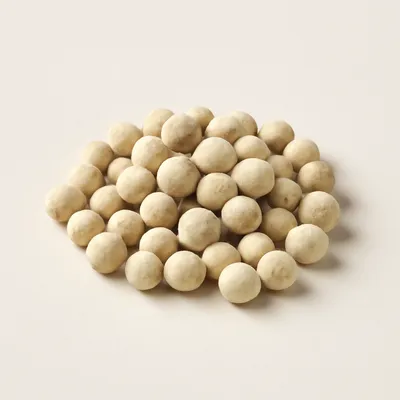
Debone a 2kg duck through the neck and tail openings, leaving the skin intact. Work the bones out with fingers and a small knife, keeping wing and drumstick bones in for shape. Rub inside and out with salt, soy, Shaoxing wine, white pepper.
Watch outDebone through the openings with the skin unbroken — one tear and the rice swells out through the hole during the long steam, ruining both shape and texture.
- 215 min
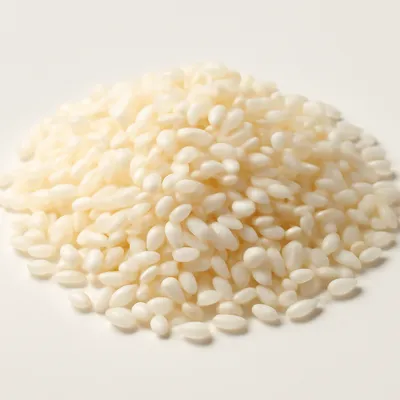
Soak 200g glutinous rice 2 hours, then mix with 50g diced Jinhua ham, 50g rehydrated dried shiitake, 30g lotus seeds (cooked), 30g ginkgo nuts, 30g chestnuts, 30g dried shrimp, 4 salted egg yolks, 1 tbsp light soy.
- 310 min
Stuff the duck loosely (rice expands). Sew or skewer the openings shut. Sit the duck breast-up in a deep heatproof bowl.
Watch outStuff loosely, leaving slack — glutinous rice expands hard as it steams, and a packed duck splits its own skin from the inside.
- 4240 min
Steam over high heat for 4 hours. The duck collapses around the filling and the skin turns translucent. Pour off accumulated fat and reserve.
Watch outMonitor the water level in the steamer to prevent it from drying out.
- 520 min
Carefully transfer the duck onto a wide tray, breast-up. Brush with dark soy + maltose syrup (1:1) and let air-dry 15 minutes.
- 65 min
Heat oil to 200°C. Ladle hot oil over the duck breast for 2 minutes until skin crisps and goes lacquered red. Lift onto serving plate, breast intact, present whole — slice tableside.
Watch outLadle the hot oil over the breast until the skin crisps and turns lacquered red — keep it moving so it colors even and never scorches through to the collapsed meat below.