
Huai'an-style eel: tender deboned back-meat of live ricefield eel, briefly blanched then flash stir-fried in hot lard with garlic, finished with aromatic vinegar and white pepper in a light savory sauce.





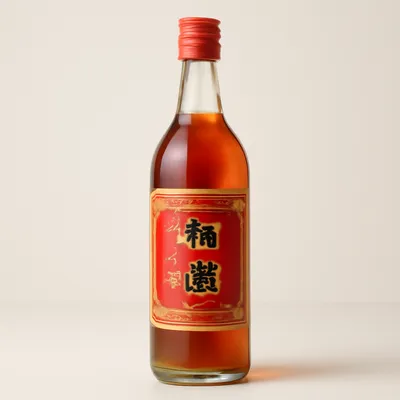
Soft-pocket eel is a centerpiece of Huai'an cuisine, one of the most celebrated dishes of the broader Huaiyang tradition. Its exact origin is undocumented; the name describes the finished dish, which droops at both ends like a child's bellyband when lifted by chopsticks. It is widely reported to have been the first hot dish served at the founding state banquet held at Zhongnanhai on 30 September 1949, reportedly chosen after the planned shrimp course could not meet Huaiyang cuisine's live-freshness standard, earning it the popular epithet "first dish of the republic." In September 2018 it was named one of Jiangsu's "Ten Classic Dishes."
The eel strips are glossy and near-black from soy and lard, each curling over the chopsticks so both ends hang down. The flesh is silky and yielding yet keeps a faint resilient bite, tender clean through to where the bone was. A bright hit of Zhenjiang vinegar cuts the richness, the lard carries a savory sheen, and ground white pepper warms the finish.
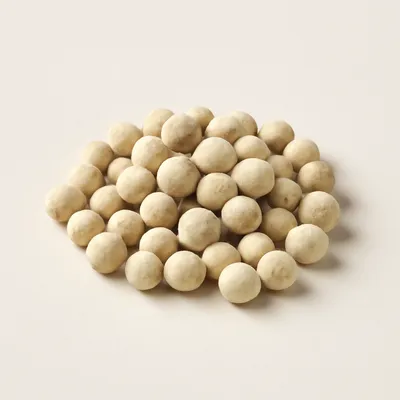
Live eels are plunged into boiling water seasoned with salt, vinegar, scallion and ginger; the acid and heat firm the flesh and loosen it from the spine so the meat curls and the mouth gapes, the signal to lift them out. Only the dorsal strip is taken, briefly re-blanched and patted dry. It is then stir-fried over fierce heat in very hot lard with fried garlic for only seconds; the brief, high-heat contact sets the protein just as it curls while keeping it juicy, while overcooking turns it tough and watery. A pre-mixed sauce of soy, sugar, Shaoxing wine and stock is folded in with a thin starch slurry, then Zhenjiang vinegar is splashed in off the heat and lard drizzled over for gloss, with white pepper added last.
Variations
The classic soft-pocket version uses the back-strip stir-fried hot. A cold cousin, "scorched tiger tail," uses the eel's tail meat: blanched in chicken broth, drained, then dressed cold with sesame oil, minced garlic, vinegar and sugar rather than wok-fried. The same eel also appears braised in a light sauce or red-braised. In Huai'an, eel cookery culminates in the "whole-eel banquet," a repertoire of up to 108 eel dishes, of which soft-pocket eel is the prized centerpiece.
On the Palate
Where Soft-Pocket Stir-Fried Eel sits in the Chinese flavor cloud
Ingredients
Serves 4


How it's made
8 steps · 20 min
- 15 min
Bring a pot of water to a rolling boil with coarse salt, aromatic vinegar, knotted scallion and ginger slices.
- 24 min
Drop in the live eels, cover immediately, and blanch until they stop thrashing, the bodies curl and the mouths gape; rinse in clean water.
Watch outLift the eels the instant the bodies curl and the mouths gape — that's the signal they're just set; leave them and the flesh toughens.
- 315 min
Strip out the dorsal back-meat along the spine, snap into sections, and discard heads, bones and offal.
- 43 min
Pass the back-meat briefly through boiling broth or water, lift out, and pat thoroughly dry.
- 53 min
Pre-mix a sauce of soy sauce, a little sugar, Shaoxing wine, stock and a starch slurry.
- 62 min
Heat lard in a wok to about six-tenths hot and fry the garlic slices until fragrant.
- 71 min
Add the eel over fierce heat and stir-fry just until it curls, a matter of seconds.
Watch outStir-fry over fierce heat just until it curls — a matter of seconds; overcook and the eel goes tough and watery.
- 81 min
Fold in the sauce to glaze, splash in vinegar off the heat, drizzle with lard, plate and dust with white pepper.


