Fresh squid scored on the inner surface in two interlocking directions with 2–3mm cuts — the wheat-spike crosshatch — then flash-poached in 180°C oil for under 30 seconds until muscle contraction rolls each piece into a glistening spike; finished with a light Teochew sauce in a wok toss.






Oil-poached squid is one of the signature showpieces of Teochew gongfu cuisine. The dish gained broad recognition through a 1963 showcase at Nanyuan restaurant in Guangzhou, where a team of Teochew master chefs presented a range of canonical Teochew dishes — including oil-poached squid — to Guangzhou audiences, extending the style's reach beyond the Chaoshan region. The wheat-spike crosshatch cut is documented in classic Teochew culinary manuals as one of the most demanding knife forms in the tradition: the cook scores the squid's inner surface in two interlocking directions without piercing the outer membrane, leaving that membrane intact to buckle outward into the wheat-spike shape under the sudden heat of the oil bath.
The curled squid wheat-spikes arrive glistening in an amber Teochew sauce: each piece snaps with a light crunch at the curled edge, then yields to a soft, juicy centre — the flesh tender, sweet from the sea, barely touched by the fiery oil that cooked it in seconds.
The crosshatch knife-work on the squid's inner surface serves two interrelated mechanical roles. First, it dramatically increases the surface area in contact with the 180–200°C oil, accelerating heat penetration through the thin muscle layer. Second, at approximately 60–65°C, squid actomyosin proteins rapidly denature and the muscle fibres contract — because the cuts run perpendicular to the fibre bundles on the convex inner surface, the fibres shorten inward while the intact outer membrane buckles outward, forming the characteristic wheat-spike curl. The entire process completes in under 30 seconds; any longer and the proteins over-contract into rubber. The hot oil bath also drives Maillard-adjacent surface reactions, producing a thin aromatic crust that plain water-blanching cannot achieve.
Variations
Stir-fried fresh squid: the same crosshatch cut applied to fresh uncleaned squid, wok-seared over maximum flame rather than oil-bathed, producing more char and wok breath. Celery and squid: blanched celery and pickled vegetable added as an acidic counterpoint to the oil-poached squid. Bean paste squid: replaces the clear Teochew sauce with fermented Teochew yellow bean paste, producing a pungent savoury-sweet glaze with deeper umami.
On the Palate
Where Oil-Poached Crosscut Squid sits in the Chinese flavor cloud
Ingredients
Serves 4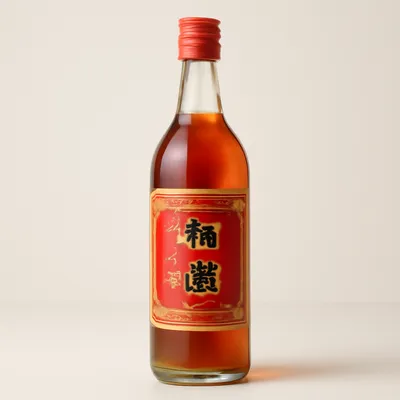
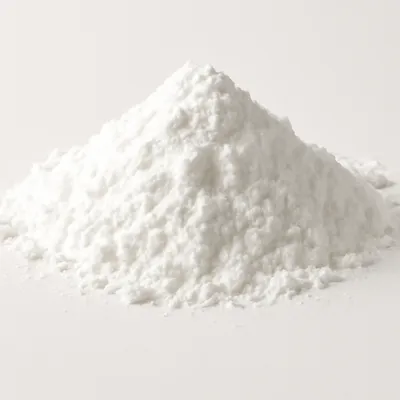


How it's made
7 steps · 20 min
- 18 min
Clean squid: remove head, pull out the transparent spine, discard ink sac; peel off the outer purple membrane; rinse thoroughly and pat dry
- 210 min
Lay squid body flat, inner side facing up; score parallel cuts 2–3mm apart along the length without piercing the outer skin; rotate 45° and score again to form a diamond crosshatch
Watch outScore only two-thirds through the flesh, never piercing the skin — the uncut skin is the hinge that makes it curl into wheat-spikes; cut through and it falls into flat strips.
- 33 min
Cut the scored squid into approximately 5cm triangular pieces; mix finishing sauce (oyster sauce, fish sauce, Shaoxing wine, a pinch of sugar, cornstarch loosened with a splash of stock) and set aside
- 42 min
Bring a pot of water to a rolling boil; blanch squid pieces for 8–10 seconds only; drain immediately and spread on a wire rack to dry
Watch outBlanch eight to ten seconds only, just till the cuts open — this pre-curls it; leave it and it's already cooked before the oil ever touches it.
- 52 min
Heat wok with 500 ml oil to 180–190°C — a chopstick dipped in produces a steady stream of small bubbles; lower squid pieces in one batch
Watch outTest with a chopstick — steady fine bubbles mean the oil's right; too cold it won't curl, too hot the surface scorches before the spike forms.
- 63 min
Oil-poach for 20–25 seconds until pieces curl into wheat-spike shapes; drain immediately on a wire rack
Watch outPoach just till each piece springs into a tight wheat-spike curl, then out — the crosshatch buckling is your done signal, no need to wait for colour.
- 72 min
Pour off oil, wipe wok; stir-fry garlic and ginger slices over high heat 15 seconds; add squid, pour over sauce and toss vigorously for 10 seconds; plate immediately, garnish with spring onion julienne


