A centrepiece Huaiyang banquet dish: a whole duck is deboned through the neck without piercing the skin, filled with eight savoury treasures, sculpted into a gourd form, deep-fried to a golden shell, then slow-braised until the skin turns silk-tender and the stuffing absorbs the amber braising liquid.




Documented in the imperial meal records of Qianlong's 30th-year southern tour (1765) as 'glutinous rice eight-treasure duck' served at the Suzhou travelling palace, in the archive known as the Jiangnan Regular Meals Record. Jiangsu cooks subsequently refined the dish by adding the gourd-shaping technique and whole-duck deboning through the neck, recorded in the Qing culinary texts Tiao Ding Ji and Tongqiao Yizhao Lu. The gourd form carries auspicious symbolism — abundance and many descendants — making it a natural banquet centrepiece.
A lacquered golden gourd that barely holds its shape — cut into it and eight kinds of savoury treasure spill out, the duck skin dissolving like silk, the glutinous rice inside drunk on amber braising liquid.
Whole-duck deboning relies on joint anatomy: the skin is folded back from a neck incision while ligaments are severed at each joint capsule, keeping the membrane unbroken. Inside, glutinous rice swells during braising, absorbing duck juices; ham's nitrite compounds give the filling its ruddy blush; shiitake guanylate amplifies overall savouriness. Initial deep-frying at around 200°C caramelises surface proteins and sugars into a Maillard-browned shell; the subsequent slow braise re-softens the skin over 40 minutes while the filling fully absorbs the braising liquid.
Variations
The Shandong variant steams without deep-frying, yielding a paler, plumper appearance. Sichuan versions add ground Sichuan peppercorn to the stuffing for a numbing undertone. A Nanjing festive variant wraps the shaped duck in lotus leaves before steaming, adding herbal fragrance. Home cooks often substitute boneless duck legs for the full-bird deboning.
On the Palate
Where 八宝葫芦鸭 sits in the Chinese flavor cloud
Ingredients
Serves 6

How it's made
7 steps · 1 hour 30 min
- 130 min
Debone the whole duck through a neck incision: sever the neck bone, fold skin down from the neck, remove wing bones at their joints, press the breastbone inward while peeling meat from the carcass, then extract leg bones by scraping at the joints — keep the skin fully intact throughout.
Watch outDebone through the neck keeping the skin fully unbroken — a single tear and the stuffing leaks out during the fry and braise.
- 230 min
Marinate the deboned duck with soy sauce, Shaoxing wine and five-spice powder for 30 minutes; pat the outer skin dry.
- 325 min
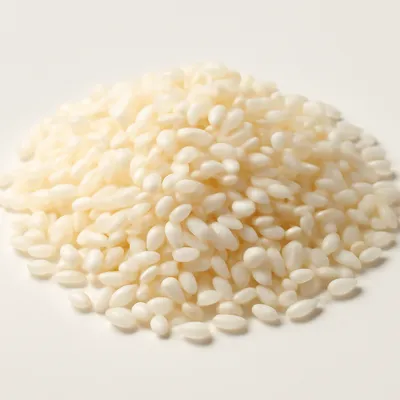
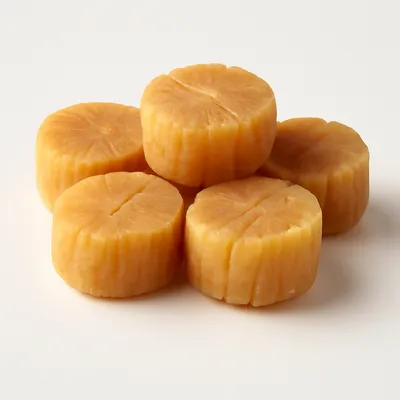
Soak glutinous rice for 4 hours; stir-fry with diced Jinhua ham, duck gizzard, bamboo shoots, shiitake mushrooms, dried scallops, lotus seeds and Job's tears until fragrant; season with soy sauce and sugar.
- 410 min
Stuff the filling into the duck cavity through the neck opening; tie the neck shut with kitchen twine; wrap twine around the body to pinch in a waist, shaping into a gourd with a narrow middle.
Watch outTie the neck shut and cinch a waist so it holds the gourd shape — a loose tie lets it swell shapeless in the oil.
- 55 min
Deep-fry in oil at 200°C, turning gently, for about 4 minutes until the skin is deep golden-brown; drain on a rack.
Watch outDeep-fry at 200°C, turning gently, until the skin is deep golden-brown — this Maillard shell sets the color and locks the shape before braising.
- 645 min
Place the fried duck in a braising pot with scallion, ginger, soy sauce, rock sugar, Shaoxing wine and stock; bring to a boil; reduce to low heat, cover and braise for 40 minutes until the skin is tender.
Watch outBraise low about 40 minutes until the skin turns tender again — the fried shell needs the moist braise to soften while the filling drinks the sauce.
- 75 min
Remove the twine; reduce the braising liquid to a glossy sauce over high heat; spoon over the duck and serve whole, carving at the table.
Archive tool suggestions — not reviewed
These legacy suggestions have not been evidence-reviewed and are not presented as required tools.


