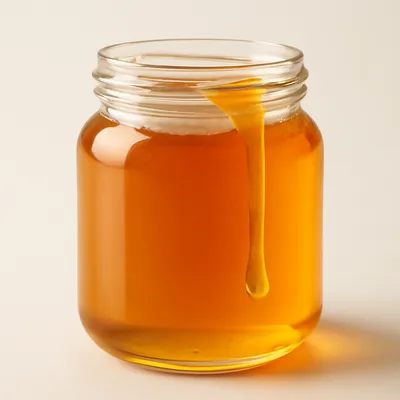
The prestige slow-braised pork dish of Zigong's salt-merchant cuisine, born in the ancient river-port town of Niufo on the Tuo River. A whole pork knuckle is flame-scorched and scraped three times to strip the outer skin, then boiled until half-done, scored in a diamond pattern, and steam-braised for ninety minutes with red dates, lotus seeds and goji berries. It then goes into a cast-iron pot with rock sugar, honey, soy sauce and a ten-spice bouquet — first high heat, then the lowest possible simmer — until the braising liquid caramelizes to a deep amber glaze. At the table it arrives burnished reddish-brown, the skin so gelatin-soft it dissolves at a touch, with a backbone of salt and a long, sweet echo from the caramelized glaze.




Niufo Town sits on the eastern bank of the Tuo River in Zigong's Da'an District. Already a thriving market settlement in the Five Dynasties period, it grew into the primary salt-transit hub for Zigong's brine-well industry during the Ming and Qing dynasties. During the mid-Qing "Sichuan Salt for Chu" (川盐济楚) campaign — launched when the Taiping Rebellion cut off Huai-salt routes — Niufo's docks ran day and night as the main eastern-dispatch point for Zigong's surging output, drawing merchants, boat workers and skilled cooks from across the basin. Local chefs built the dish by refining Sichuan's existing tradition of slow-roasted pork, layering a multi-stage scorching, steaming and amber-glazing braise into something with both visual ceremony and depth of flavor. Multiple sources record that the dish reached the Qing imperial court as a tribute during the Kangxi reign, though this is held by tradition rather than direct documentary record. A canned version won the inaugural Bashu Food Gold Award in the early 1990s, and the dish is now listed as a Sichuan provincial intangible cultural heritage.
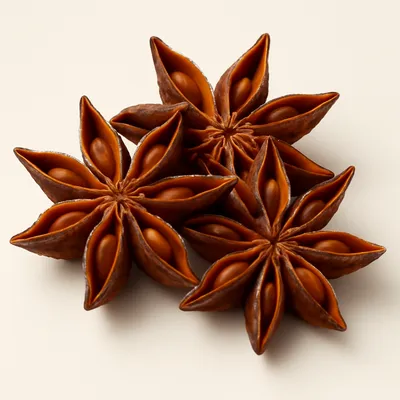
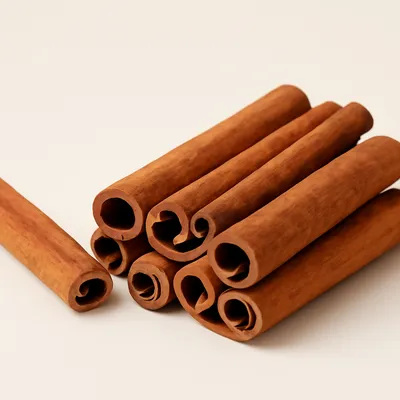
The skin offers almost no resistance — not springy, not chewy, but a gelatin-soft dissolve that floods the mouth with collagen richness. The meat below is deep-savory and yielding, carrying the slow-cooked weight of three hours of braising. Then the sweetness arrives: not cloying, but the clean, warm sweetness of caramelized rock sugar and honey that has had hours to sink in. A trail of spice — star anise, cassia, warm herb notes — lingers at the back of the throat. Served whole and burnished, surrounded by dates and lotus seeds, 牛佛烘肘 carries the ceremonial gravity of a Zigong banquet centrepiece.
The opening operation — triple flame-scorching and scraping — removes the outermost skin layer along with surface fat and off-flavors, while leaving the inner dermal layer intact and far more permeable to braising liquid. Scoring the half-cooked surface in a diamond pattern before steaming then opens channels for the liquid to penetrate deep into the meat. During the ninety-minute steam phase, sustained moist heat at around 100°C gradually hydrolyzes the dense collagen of the knuckle's connective tissue into gelatin — the biochemical source of the finished skin's signature dissolving texture. The final 扒 stage drives two additional reactions: at high heat, the rock sugar and honey undergo caramelization and Maillard browning with the braising liquids, producing the deep amber color; at low heat, the thickening glaze coats and seals the surface. The craft crux is timing — too short and the flavor stays shallow; too long and the knuckle loses its crown shape and the glaze darkens past amber into bitter.
Variations
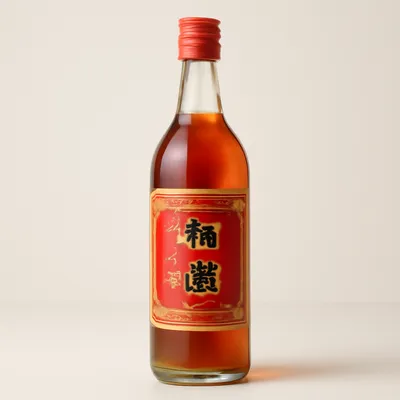
The canonical Niufo presentation — whole knuckle, skin scored side down, braised in a covered bowl, then inverted onto a serving plate with the amber skin facing up — is the banquet standard. Red dates, lotus seeds and goji berries are standard steaming companions; some cooks remove them before the final braise, others leave them on the finished plate as garnish. The spice blend is each household's closely guarded formula; the base of Shaoxing wine, soy sauce, sweet-bean paste, rock sugar and honey is consistent, but the selection and proportions of the ten-plus whole spices varies significantly. Some preparations incorporate heat-clearing and digestive Chinese herbs alongside the spices, both for flavor balance and to offset the richness of the fatty pork. Commercial canned versions appeared in the 1990s; the dish in Zigong today remains restaurant and banquet fare, eaten fresh off the heat.
On the Palate
Where Niufo Slow-Roasted Pork Knuckle sits in the Chinese flavor cloud
Ingredients
Serves 6

How it's made
8 steps · 30 min
- 120 min
Singe the whole pork knuckle over an open flame until the skin is evenly charred; soak briefly in cold water and scrape off the burnt layer with a knife. Repeat the scorching and scraping three times, removing approximately two-thirds of the outer skin.
Watch outScorch and scrape three times until about two-thirds of the outer skin is gone — this strips the tough top layer and off-flavors and leaves the inner skin that drinks up the braise.
- 25 min
Transfer to a pot of boiling water; blanch for 5 minutes to purge blood and odor. Drain and rinse clean.
- 340 min
Cover with fresh cold water and bring to a high boil; cook until the knuckle is about 50% done (the meat yields slightly but still holds firm), approximately 40 minutes. Remove and let cool slightly.
- 495 min
Score the skin surface in a close diamond (象眼) pattern. Place the knuckle skin-side down in a large deep bowl; tuck red dates, lotus seeds and goji berries around it. Add Shaoxing wine, soy sauce and sweet-bean paste, then lay a bundle of star anise, cinnamon and whole spices on top. Steam over high heat for 90 minutes until the skin is fully softened and the meat is tender.
Watch outScore a close diamond pattern and steam a full 90 minutes — the cuts open channels for flavor, and the long moist heat is what melts the collagen so the skin goes meltingly soft.
- 510 min
Carefully pour the knuckle and all accumulated braising liquid into a cast-iron pot; set the knuckle on a rack or slotted ladle. Add rock sugar and honey; cover with a large inverted plate or lid.
- 630 min
Bring to a full boil over high heat, then reduce to the lowest possible heat. Braise (扒) for 25–30 minutes, basting the knuckle occasionally with the simmering liquid, until it turns a deep reddish-amber throughout.
Watch outBraise on the lowest possible heat and baste often — too hard a boil breaks the skin apart before it takes on that deep reddish-amber color.
- 75 min
Remove the cover and raise heat briefly to thicken the glaze to a coating consistency. Using a slotted spoon under the rack, lift and invert the knuckle onto a serving plate, amber skin facing up.
Watch outReduce the glaze just until it coats the back of a spoon — thin and it runs off the skin, over-reduced and it turns tacky and dull instead of glossy.
- 83 min
Spoon the remaining glaze over the surface and serve immediately while hot.
Archive tool suggestions — not reviewed
These legacy suggestions have not been evidence-reviewed and are not presented as required tools.


