Siopao asado is the Filipino steamed bun: a pillowy white dough enclosing a filling of pork braised in soy sauce, sugar, and aromatics until dark, sweet, and glossy. Sold from glass-fronted warmers at panaderias and Chinatown stalls, each bun is the size of a fist and split open to reveal the chopped, sauce-slicked meat within. The asado filling is sweeter and soupier than its Cantonese char-siu ancestor, often thickened into a clinging gravy. It is everyday merienda food, eaten out of hand with a drizzle of the same dark sauce.




Siopao descends from the Hokkien-Chinese baozi (包, sio-pau in Hokkien meaning 'steamed bun'), carried to the Philippines by Fujianese migrants who anchored Manila's Binondo Chinatown from the late 16th century. The popular Manila form is widely credited to the Ma Mon Luk eatery, whose founder is recorded as having arrived from Guangdong and begun selling buns and mami soup in the early 20th century. The asado variant takes its name and method from a soy-braise: where Cantonese char-siu is roasted, the Filipino version stews the pork in a sweet soy sauce, reflecting local taste for sweeter, saucier braises.
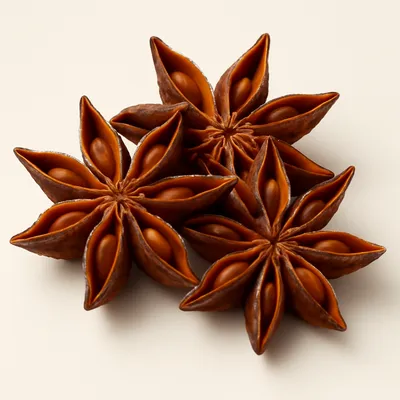
The bun is cloud-soft and faintly sweet, tearing in cottony shreds. At its center sits the dark asado: tender chopped pork bound in a thick, glossy gravy that is sweet up front and soy-savory beneath. Steam escapes when you split it, carrying anise and garlic. The contrast of bland pillowy dough against the intense dark filling is the whole point.
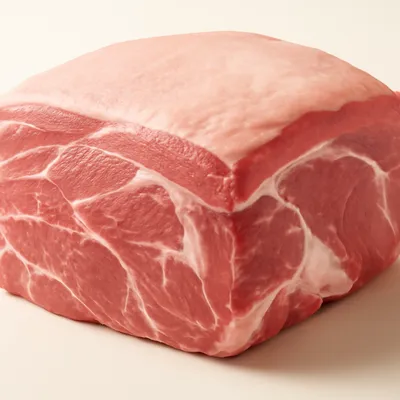
The dough is leavened twice with yeast and often a little baking powder, then steamed rather than baked, so the surface never browns and stays white and spongy; steam at full heat sets the crumb without drying it. The pork is braised low and slow in soy, sugar, and aromatics until collagen breaks down to gelatin, leaving the meat fork-tender and the sauce glossy. A cornstarch slurry thickens the cooled filling so it stays put inside the bun rather than soaking outward through the dough.
Variations
Siopao bola-bola swaps the asado for a meatball filling of ground pork, sausage, and a wedge of hard-boiled egg. Some versions add Chinese sausage or salted egg to the asado; sizes range from the giant 'jumbo' bun to small cocktail buns. The dip is usually a sweet, dark, thickened sauce, sometimes spiked with chili-garlic.
On the Palate
Where Siopao Asado sits in the Filipino flavor cloud
Ingredients
Serves 8

How it's made
8 steps · 40 min
- 115 min
Bloom the yeast in warm sweetened water, then knead into flour, sugar, and a little fat to a smooth dough; let it rise until doubled.
- 290 min
Braise diced pork shoulder in soy sauce, sugar, garlic, star anise, and stock over low heat until fork-tender.
- 320 min
Lift out the pork, reduce the sauce, then thicken with a cornstarch slurry and fold the meat back in; cool the filling fully.
Watch outThicken the cooled asado filling with a cornstarch slurry so it stays put; a runny filling soaks outward through the dough and sogs the bun.
- 410 min
Punch down the dough, divide into balls, and rest briefly.
- 515 min
Flatten each ball, spoon in the cooled asado, and pleat the dough closed at the top.
- 630 min
Set each bun on a square of paper and proof again until puffy.
- 718 min
Steam over high heat until the buns are risen, dry-surfaced, and springy.
Watch outSteam over high heat until the buns are risen, dry-surfaced and springy; steam keeps them white, but underdone in the center leaves the dough gummy.
- 82 min
Serve warm with extra dark dipping sauce.
Archive tool suggestions — not reviewed
These legacy suggestions have not been evidence-reviewed and are not presented as required tools.


